
Full Breakdown
Cornell Sexual Assault Case Sparks State Intervention and Faculty No-Confidence Vote
By Drooid · · How we work
In this breakdown
01
Cornell’s Response and State Police Agreement
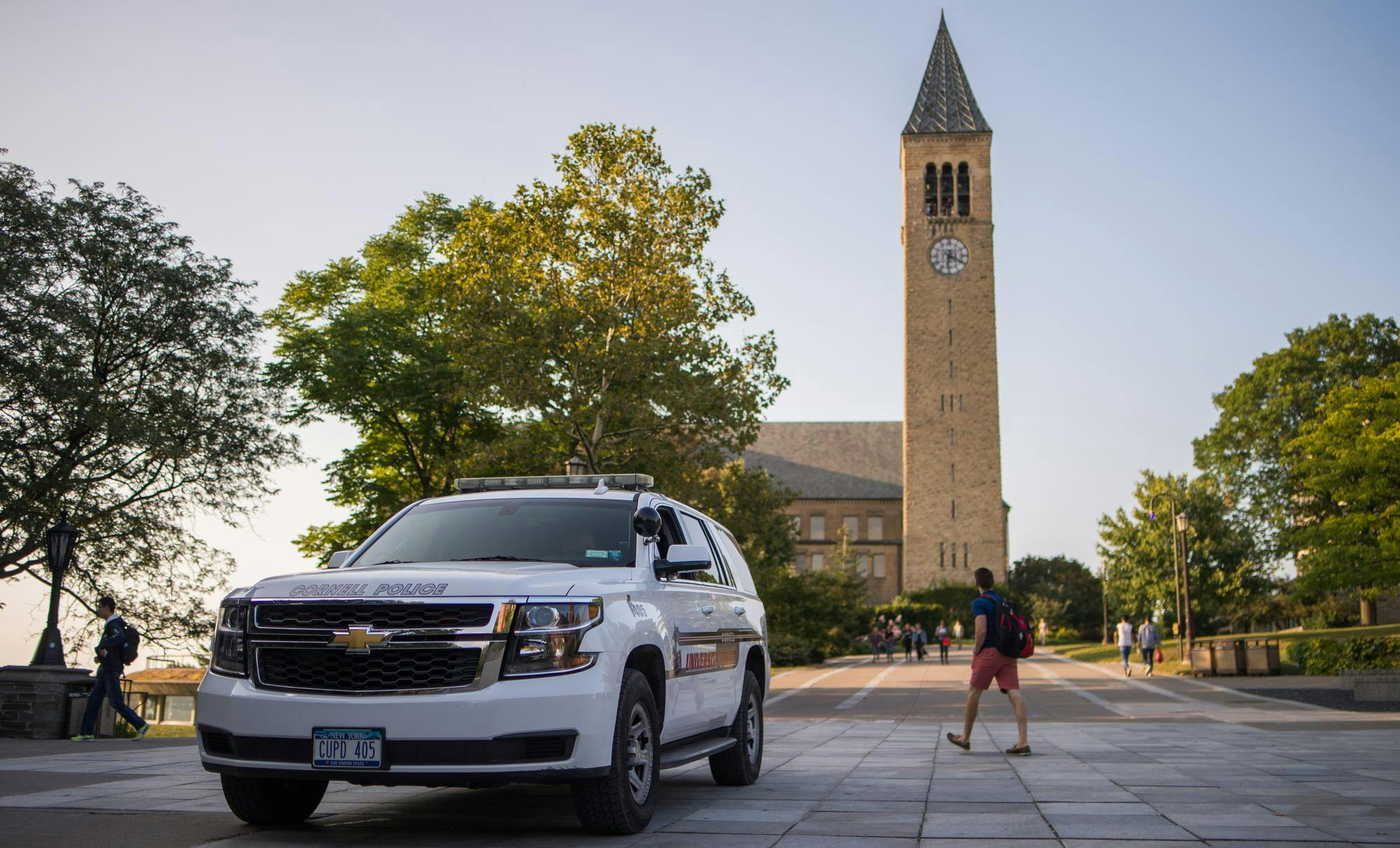
New York Governor Kathy Hochul announced that the New York State Police have signed an agreement with Cornell University to take over all future sexual-offense investigations that previously fell under campus police jurisdiction. Survivors may choose whether the state police or Cornell University Police conduct the investigation; the state police will handle the case unless the survivor requests otherwise.
Watch
Related reporting
brightcove
Cornell begins no confidence vote over handling of alleged gang rape
02
Background & Context
The dispute stems from a civil lawsuit filed by a former student identified as Jane Doe. The complaint alleges that on October 19 2024 she was drugged with ketamine and marijuana, then gang-raped by seven members of Cornell’s now-closed Chi Phi fraternity house. All seven men deny the allegations. The university expelled two students, suspended two, placed two on disciplinary probation and required the remaining three to complete reflective essays and sexual-harassment training. No criminal charges were filed after the Tompkins County district attorney declined to prosecute in 2024.
In response to the lawsuit and campus protests, Governor Hochul appointed Attorney General Letitia James as a special prosecutor on October 1 2026, citing loss of confidence in the local prosecutor. The appointment has been challenged by lawyers for several defendants, who argue James’s September 28 social-media post expressing solidarity with the accuser shows bias.
Visual evidence
Images from the story



03
Official Statements & Responses
Attorney General James’s office called challenges to her appointment “without merit” and noted that courts have upheld the governor’s authority to name a special prosecutor.
President Michael Kotlikoff defended the university’s handling, saying the Title IX process met due-process requirements and that he had not reviewed the confidential police report because administrators are barred from influencing criminal investigations. He expressed regret over the harm suffered by Jane Doe and pledged “trauma-informed” practices moving forward.
04
Criticism & Opposition
Lawyers for defendant Gillio Lopes—including Andrew Miltenberg and Stuart Bernstein—argue that James’s September 28 post demonstrates a presumption of guilt, rendering her unsuitable as special prosecutor. Assistant Attorney General Kaitlin Vigars countered that the post does not impede prosecution and that the challenge is “wildly speculative.”
Anne Marie Brady and Seth Sanders voiced concerns that the administration’s response lacked transparency, while Kotlikoff urged faculty to allow more time for the independent review led by former Deputy Attorney General Sally Yates.
05
On-the-Ground Reports
Students and faculty gathered on October 5 2026 for a “Justice for Survivors” rally in front of McGraw Tower. Audio recordings of the closed Faculty Senate meeting reveal heated testimony, with some professors sharing personal experiences of harassment and fearing retaliation.
06
Conflicting Reports & Gaps
Sources differ on the exact disciplinary measures: some describe only expulsions and essays, while others list suspensions, probation and a “persona non grata” order. President Kotlikoff’s claim of not having read the police report conflicts with media reports that he was briefed on the investigation’s status. No criminal charges have been filed, and the outcome of the special-prosecutor investigation remains unknown.
07
What’s Next
The faculty’s electronic no-confidence vote will close on November 6, after which the result may pressure the Board of Trustees to consider leadership changes. A court hearing on the petition to remove Attorney General James is set for November 5, and further legal motions are expected as the special-prosecutor investigation proceeds. The state-police agreement remains in effect throughout the ongoing independent review of Cornell’s handling of sexual misconduct.