
Full Breakdown
UN Report Highlights Age-Based Persecution of Palestinian Children
By Drooid · · How we work
In this breakdown
01
Core Findings of the UN Commission
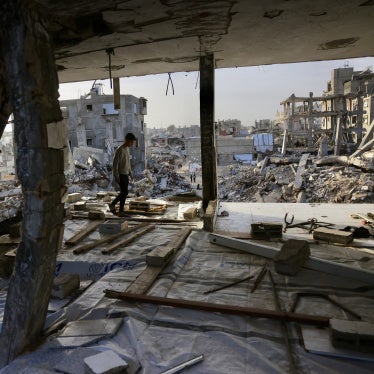
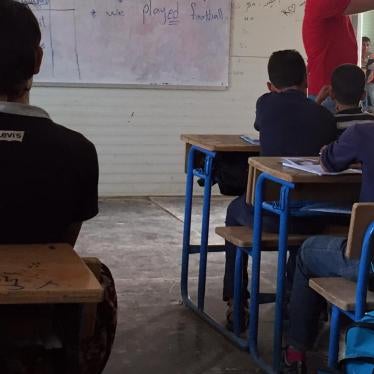
The United Nations commission concluded that children in the West Bank are being deliberately targeted because of their age, resulting in serious bodily and mental harm. The report stresses that this violence is not incidental to broader civilian casualties but constitutes a patterned form of intentional abuse. The commission’s determination follows a similar finding earlier in the year regarding Gaza.
02
International and Legal Context
Age-based persecution has been recognized in other settings. In November, judges at the International Criminal Court affirmed 39 charges—issued in absentia—against Joseph Kony, leader of the Lord’s Resistance Army, for crimes in northern Uganda that include persecution on the basis of age. Existing international law already lists “other grounds” such as age and disability within the definition of persecution, but the commission argues that explicit enumeration would improve prosecutorial clarity.
Visual evidence
Images from the story
03
Official Findings and Reform Proposals
The commission recommends that the forthcoming treaty on crimes against humanity explicitly name “age” as a protected ground. Sixteen countries have already proposed amendments to the working draft of that treaty, urging broader support before formal negotiations slated for 2028. By codifying age-based persecution, the treaty would make it easier for investigators and judges to identify and charge perpetrators when evidence is available.
04
Implications and Next Steps
Explicitly recognizing age as a protected characteristic would enhance visibility for victims—children, older people, and others targeted solely for their age—and streamline legal processes. The call for amendment aims to create a clearer pathway to justice for Palestinian children and other groups facing similar abuse worldwide. Continued advocacy by human-rights organizations and states will be crucial as negotiations approach.