
Full Breakdown
Israel Tightens Airline Crew Screening Rules After Near-Hijacking
By Drooid · · How we work
In this breakdown
01
Core Event: New 48-Hour Crew Disclosure Requirement
Israeli authorities issued directives on Thursday requiring all airlines—foreign and Israeli—to submit detailed information on pilots, cabin crew and passengers 48 hours before departure for flights to or from Ben Gurion Airport. Updates must be provided during check-in and no later than two hours before take-off, with a final list at departure. The measures, ordered by Prime Minister Benjamin Netanyahu after a security review, aim to give agencies sufficient time for background checks.
02
Background & Context
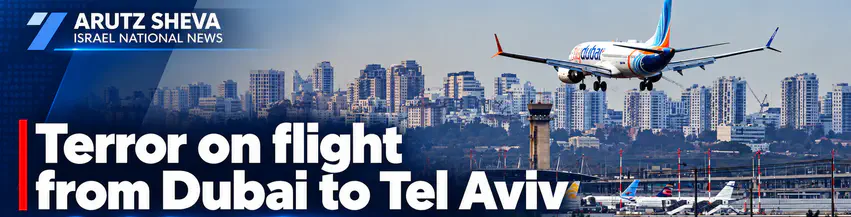
On September 30, flydubai Flight FZ1073 from Dubai to Tel Aviv was attacked when Omani-national copilot Hamam al-Hammami assaulted captain Smit Machchhar with an emergency axe, attempting to crash the aircraft. Passengers and two off-duty pilots subdued the attacker, allowing the plane to land safely in Saudi Arabia. The incident highlighted gaps in Israel’s oversight of foreign-operated flights, including the lack of prior crew vetting.
Visual evidence
Images from the story


03
Key Figures & Groups
- Benjamin Netanyahu – Prime Minister, ordered the directives.
- National Center for Passenger Information Data Analysis (MALAN) – Issued the reporting procedures.
- Shin Bet – Now responsible for security procedures of incoming foreign airlines.
- Mossad – Works with Shin Bet on “red” country scrutiny.
- Hamam al-Hammami – Copilot who attempted the hijacking.
- Smit Machchhar – Flydubai captain injured in the incident.
04
Timeline
- September 30 – Attempted hijacking of flydubai Flight FZ1073.
- One month later – Israeli government issues the 48-hour crew disclosure directives.
05
Data & Statistics
- Airlines must provide an online crew form 48 hours before entry; the form is reviewed by the Israel Population and Immigration Authority.
- Personnel with citizenship or dual citizenship in approximately 29–31 countries—including Iran, Iraq, Oman, Saudi Arabia, Pakistan and Indonesia—face additional screening.
- Unconfirmed reports claim about 1,240 aircrew members from countries lacking diplomatic relations with Israel entered the country over the past year.
06
Official Statements & Responses
MALAN emphasized that the advance-notice period exceeds typical international practice, giving authorities more preparation time. Shin Bet will now handle security procedures for incoming foreign airlines and their overseas departure points.
A Ministry of Welfare spokesperson said the ministry is not responsible for assisting the flight’s passengers; that duty lies with other bodies. The Defense Ministry said it is awaiting information from investigators before classifying the incident as a “hostile action.”
07
On-the-Ground Reports
Survivors describe ongoing psychological distress and limited coordinated government support. Passenger Daniel Schlichter said, “Unfortunately, Israeli authorities have done zero as far as reaching out to people or helping.”
08
Conflicting Reports & Gaps
- The figure of 1,240 aircrew members from non-diplomatic countries is “unconfirmed.”
- Sources differ on crew-list submission timing: some claim sending lists shortly before doors close is “common internationally,” while others view it as a security failure.
- Responsibility for passenger assistance is contested among ministries, with differing explanations for the lack of aid.
09
Verbatim Quotes
- “Unfortunately, Israeli authorities have done zero as far as reaching out to people or helping,” — Daniel Schlichter
10
What’s Next
The new reporting procedures are now in effect, and airlines are adjusting their compliance systems. The Defense Ministry’s pending classification of the September 30 incident will determine when victims become eligible for state compensation and psychological services.