
Full Breakdown
Israeli Military Siege of Hebron Displaces Thousands
By Drooid · · How we work
In this breakdown
01
Core Event
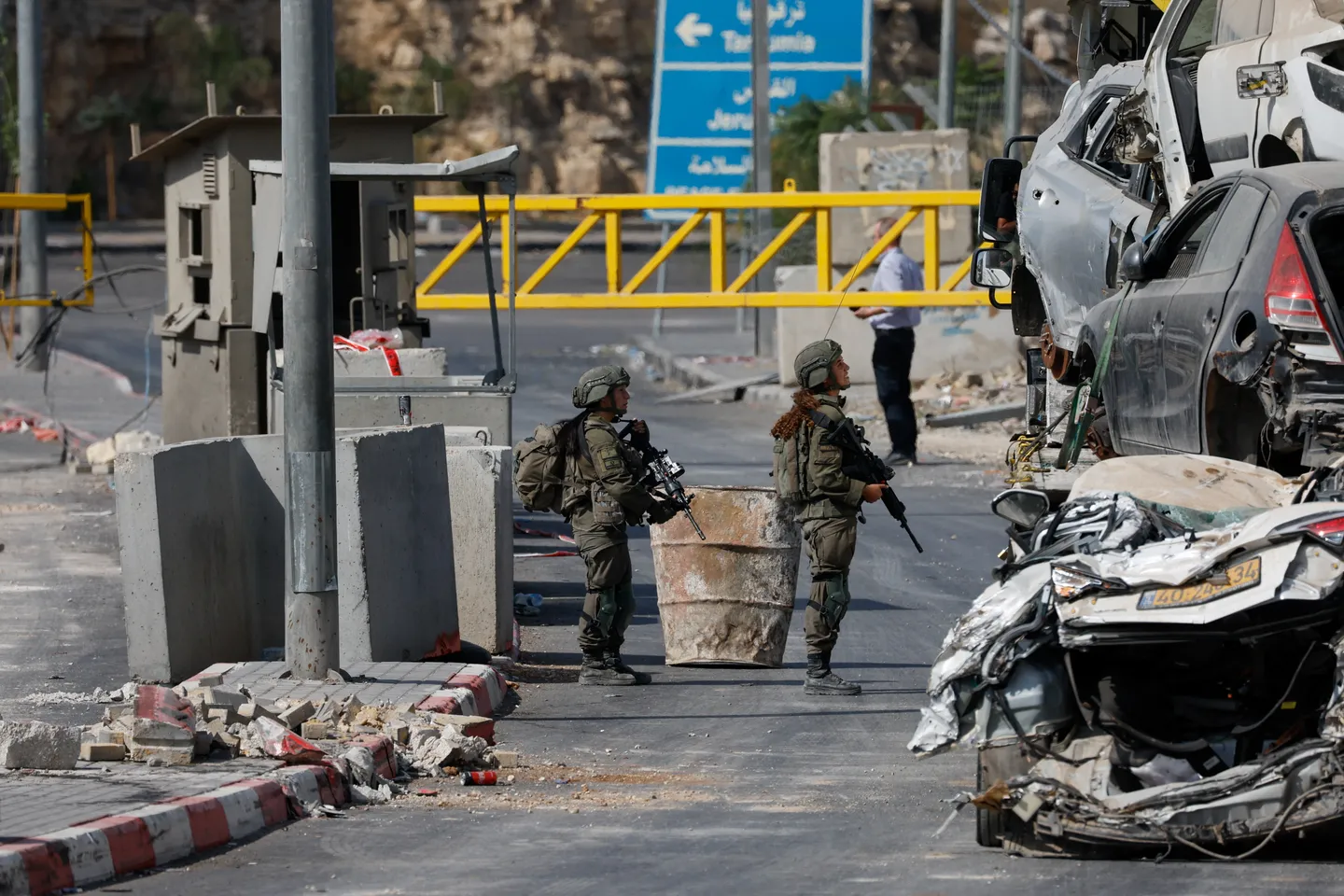
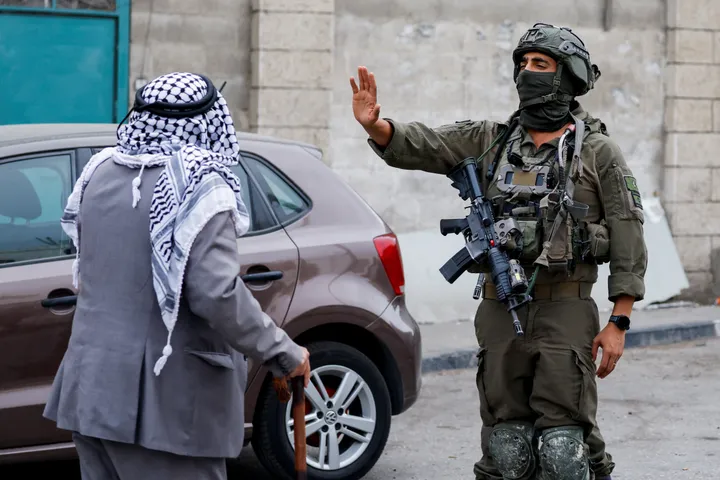
On Friday, October 23 the Israeli army launched a large-scale operation in Hebron after two Palestinian gunmen killed two Israeli soldiers at a checkpoint near the city. The operation sealed off all ten identified entrances, ordered residents to evacuate neighborhoods where the attackers lived, and converted several homes into military posts.
Watch
Related reporting
youtube
LIVE: Israel's election results
brightcove
Israeli forces continue West Bank raids as Hebron lockdown enters sixth day
brightcove
A week of Israel’s lockdown in Hebron: What’s happened, when will it end?
02
Background & Context
The raid follows intensified Israeli activity in the occupied West Bank ahead of Israel’s parliamentary elections. Israeli officials framed the action as a response to “terrorist infrastructure,” while Palestinian leaders say the timing is meant to rally settler support. Earlier in 2025, mass displacements occurred in Jenin, Tulkarm and Nur Shams, raising concerns about a broader strategy of collective punishment.
Visual evidence
Images from the story





03
Data & Statistics
- Displaced residents: Al Jazeera reports 4,969 people from 780 families (?2 % of Hebron’s 250,000 population) forced from their homes. The municipality later cited 3,189 displaced; UNRWA and the United Nations mention “over 3,000.”
- Vulnerable groups: 441 elderly, 336 infants, 312 chronically ill patients, 216 pregnant or nursing women, and 44 people with disabilities.
- Arrests: roughly 110 Palestinians arrested in the first six days, including 7 children and 3 women.
- Economic loss: Hebron Chamber of Commerce estimates daily commercial losses of 12 million shekels (? $3.8 million) and a 40-60 % drop in factory output. Demolitions in Farsh al-Hawa caused damage exceeding 2 million shekels (? $640 000).
- Infrastructure: Israeli forces demolished a three-apartment building, a ceramics company and car-parts shops, bulldozing about 7,000 m² of land.
04
Impact
The siege has crippled movement, preventing residents from reaching hospitals, markets and workplaces. Blocked trucks and raw-material deliveries have halted production in Hebron’s industrial sector, which accounts for roughly 40 % of West Bank output. The displacement has generated fear and anxiety that further depresses commercial activity.
05
Official Statements & Responses
- Israel Katz, Defence Minister, said Palestinians would not return until Hamas-linked infrastructure is dismantled.
- Volker Türk, UN human-rights chief, called the operation “collective punishment” and a “grave violation of international law.”
06
Criticism & Opposition
Human-rights groups label the siege collective punishment. The Association for Civil Rights in Israel (ACRI) and CAIR condemn the demolitions as “ethnic cleansing” and demand an immediate halt. Palestinian officials accuse Netanyahu of exploiting the operation to secure settler votes before the election.
07
On-the-Ground Reports
Residents were ordered out at midnight with only minutes to gather belongings. Families such as the Amrish household saw their three-storey home razed despite a recent legal suspension of demolition orders.
08
Conflicting Reports & Gaps
Displacement figures differ: Al Jazeera cites 4,969 people; the municipality reports 3,189; UNRWA and the United Nations reference “over 3,000.” The number of weapons recovered remains disputed, with the IDF reporting three firearms found, while other outlets note limited accomplishments in searches. No independent verification of the alleged underground pit containing an electronic device has been provided.