
Full Breakdown
Siang Upper Multipurpose Project: Rising Tensions Over a Strategic Dam in Arunachal Pradesh
By Drooid · · How we work
In this breakdown
01
Core Event
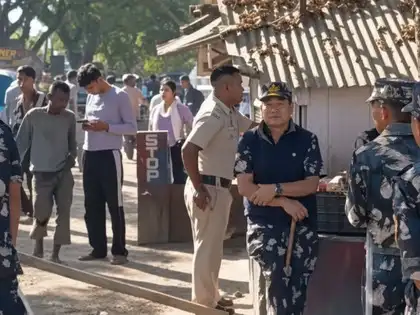
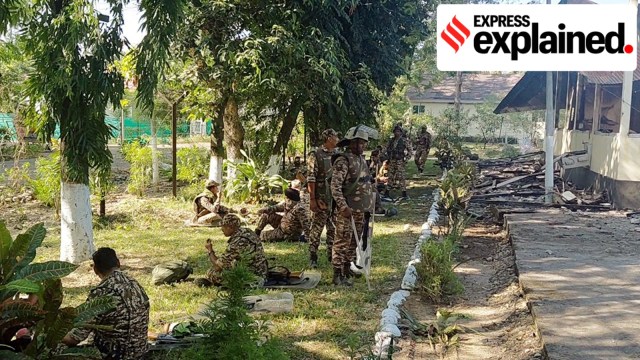
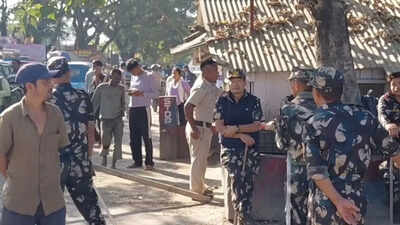
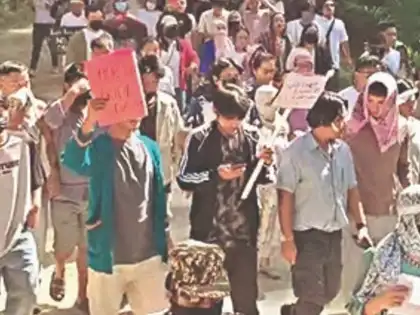
The Siang Upper Multipurpose Project (SUMP), a proposed 11,200-MW hydro-electric and water-storage scheme on the Siang River, sparked large-scale protests in Arunachal Pradesh’s Siang Valley. Demonstrations peaked on October 23 with arson, vandalism and stone-throwing in Pasighat and nearby villages. The unrest prompted the deployment of up to 34 Central Armed Police Force (CAPF) companies, the arrest of dozens of protesters, and the preventive detention of four activists on October 9 under the Arunachal Pradesh Unlawful Activities (Prevention) Act (APUAPA).
02
Background & Context
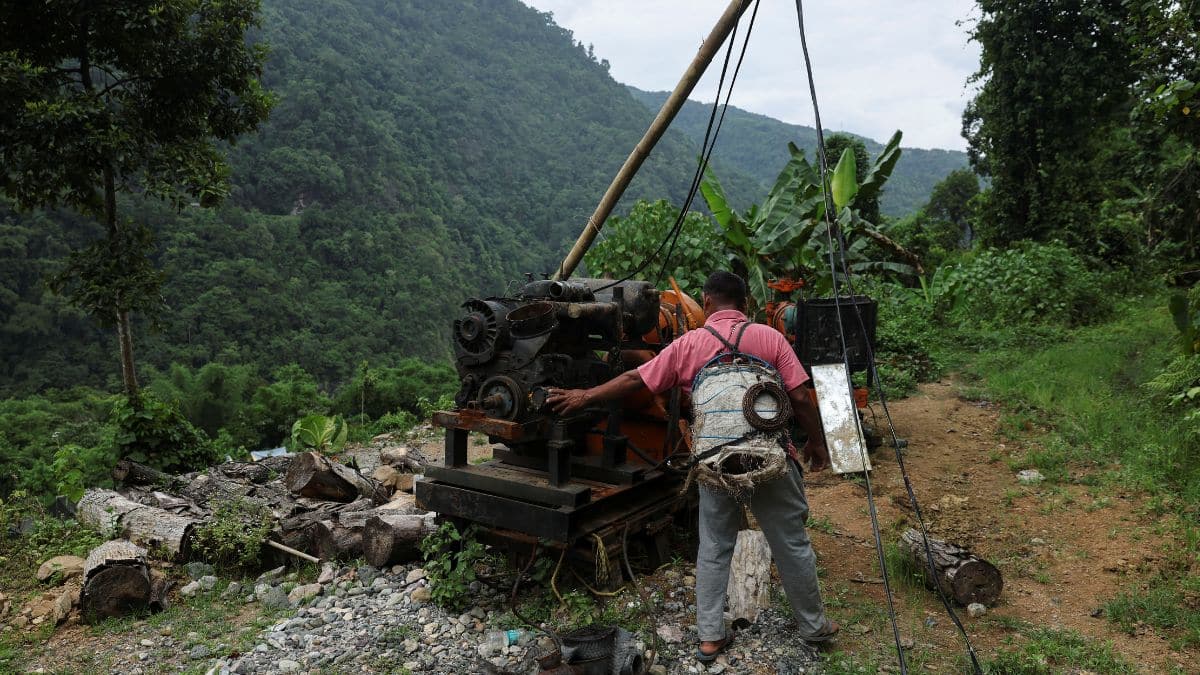
India positions SUMP as a downstream counter-measure to China’s 60,000-MW Medog dam on the Yarlung Tsangpo. Officials say a reservoir with 9.2 billion cubic metres (BCM) of live storage can regulate sudden releases from the Chinese project and protect downstream water security. Declared a National Project in 2008, SUMP entered the pre-feasibility survey stage in 2024.
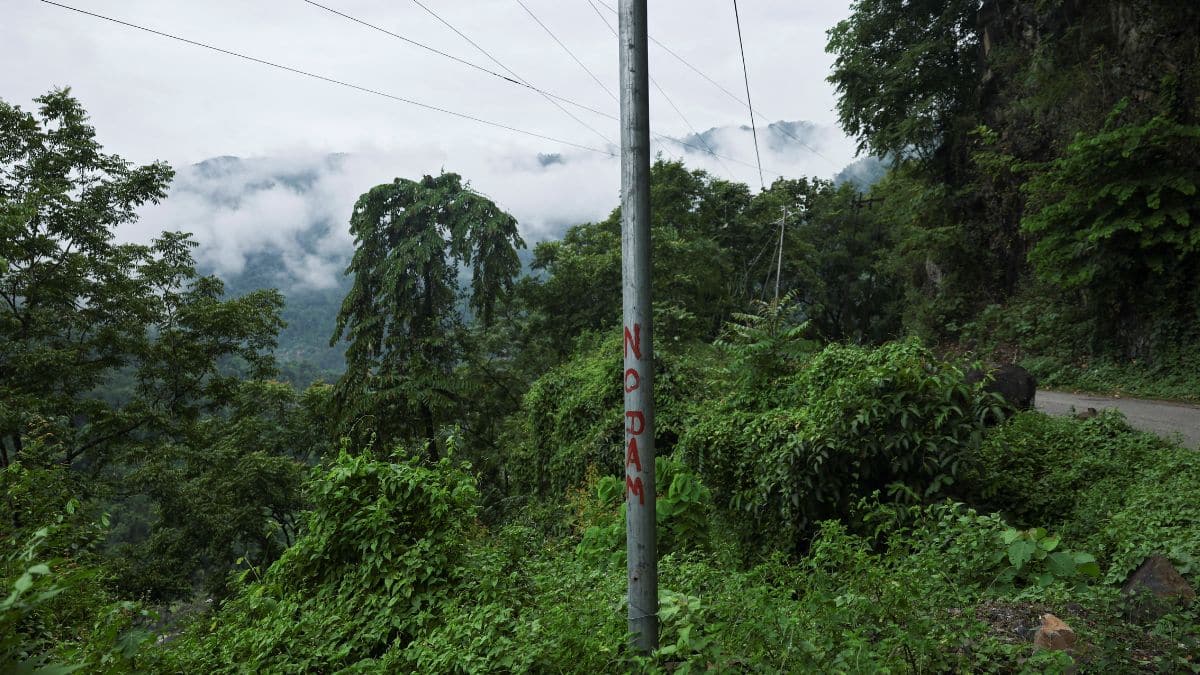
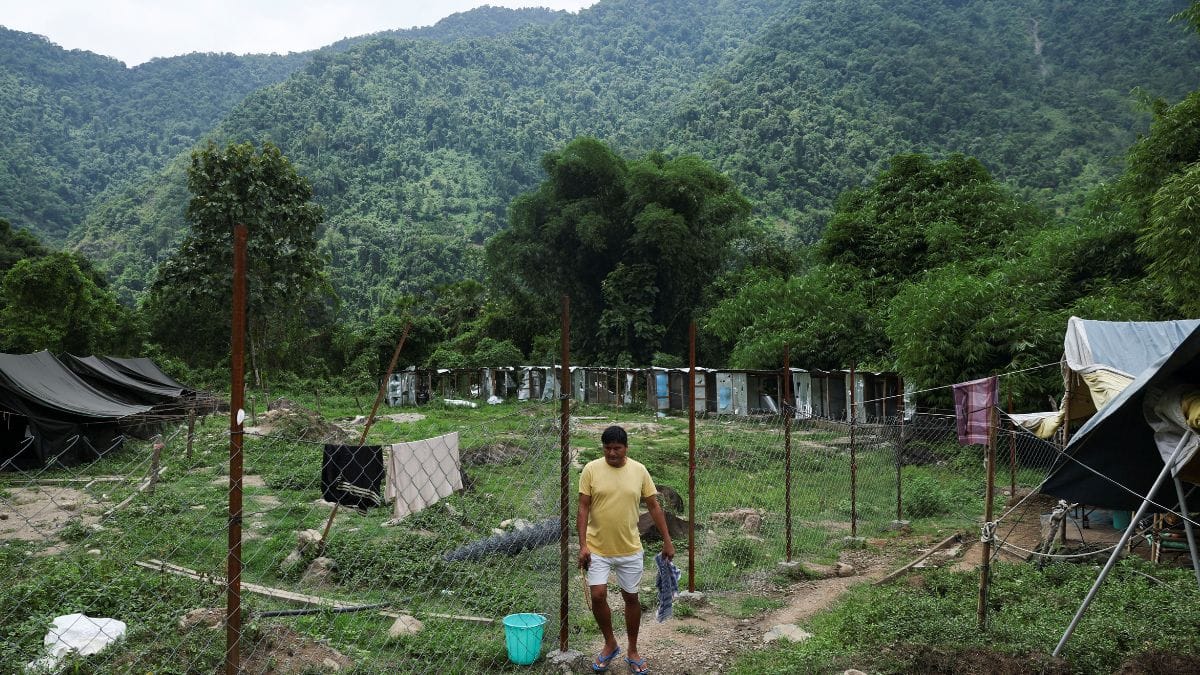
Local opposition stems from fears of displacement, loss of ancestral land and environmental damage. Indigenous Adi and Tagin communities say the reservoir could submerge 27-32 villages, affecting up to 150,000 residents.
Visual evidence
Images from the story

03
Official Statements & Responses
- Ashok Tajo, Upper Siang Deputy Commissioner, said the INR350-crore Special Development and Livelihood programme is for *all* project-affected families and acknowledged poor communication has “contributed to the present situation.” He stressed the PFR is a technical assessment, not construction approval.
- Hibu Tamang, Inspector General of Police (Central Zone), called the October 23 incidents “law-and-order problems” caused by “some youths, without any leadership,” and confirmed additional CAPF units were deployed.
- An unnamed senior NHPC official said the company’s local office was “completely gutted” during the protest, with equipment destroyed.
04
Criticism & Opposition
- Ninog Ering, Pasighat West MLA, called SUMP a “national interest project” but warned that without transparent data from China, its strategic benefit cannot be assessed.
- Resident Dubit Siram of Geku village warned, “We will be refugees in our own land.”
- Youth activist Kento Tate alleged that “anybody who speaks against the BJP government in Arunachal Pradesh gets an FIR lodged against them.”
05
On-the-Ground Reports
Villagers in Geku reported damage to 31 houses and loss of horticultural produce. Protesters described a climate of fear, avoiding phone use and fearing surveillance. Detained activists such as Adum Tayom and Omak Paron have alleged mistreatment; a hunger strike was reported on October 26, though the local superintendent of police disputed it.
06
Conflicting Reports & Gaps
- Villages at risk: News18 cites “roughly 27 villages,” NDTV reports “32 villages.”
- Security deployment: NDTV mentions 34 CAPF companies, earlier reports cited 30.
- Livelihood scheme impact: Tajo says no disbursement has occurred, despite the announced budget and per-family assistance.
07
What’s Next
- The administration awaits a new meeting date with Chief Minister Khandu to resume peace talks, stalled since October 23.
- The PFR will conclude after a three-month review covering November to January, after which technical feasibility—including seismic safety in Zone V—will be reassessed.
- Legal reviews of the four APUAPA detentions are scheduled for a Friday advisory board meeting chaired by a retired judge.
The Siang Upper Multipurpose Project sits at the intersection of national security calculations, large-scale infrastructure ambition, and local opposition, with the coming months crucial for dialogue.