
Full Breakdown
Indonesia Wildfire Smoke Linked to Over 3,500 Deaths in September 2026
By Drooid · · How we work
In this breakdown
01
Study Findings and Air-Quality Impact
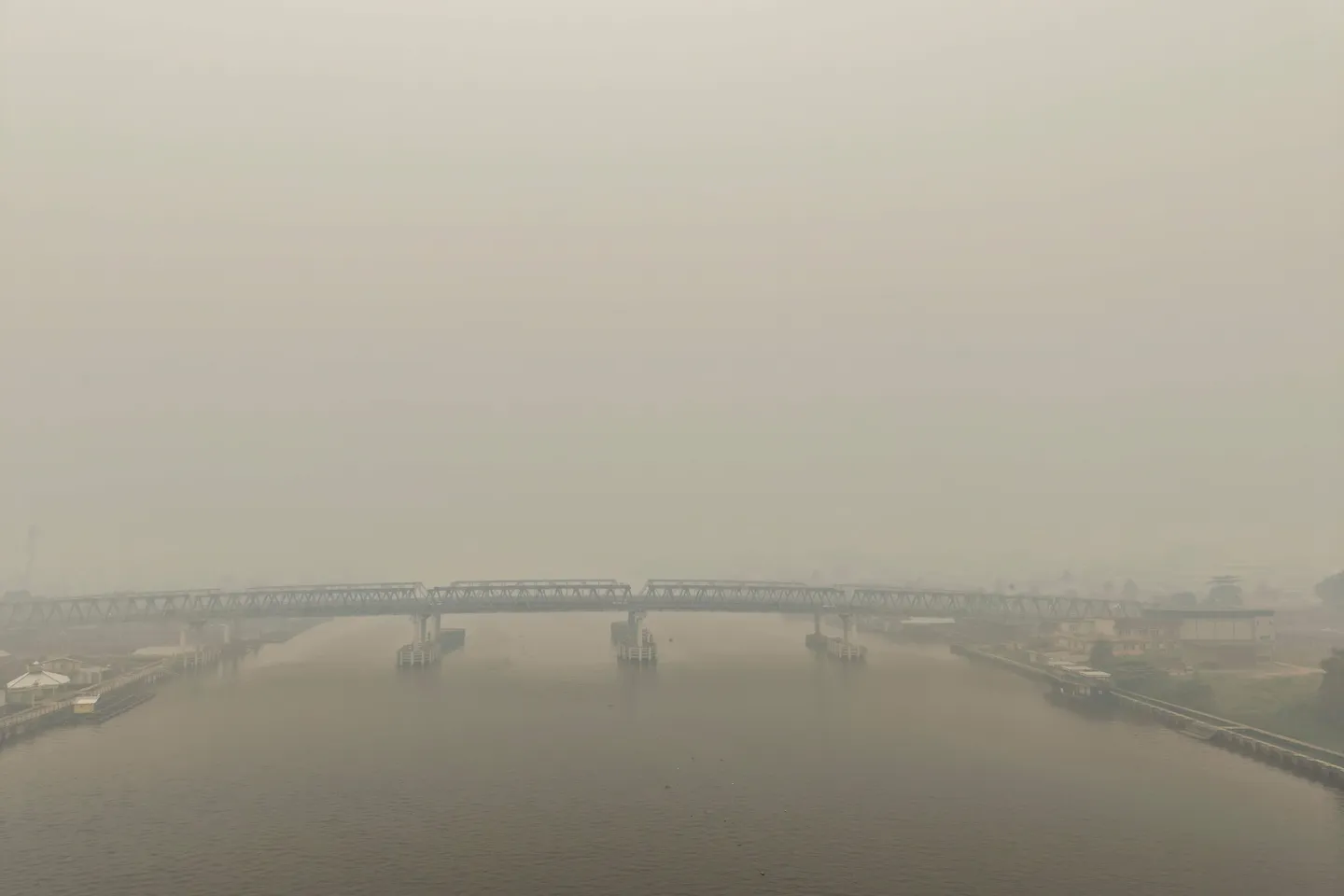
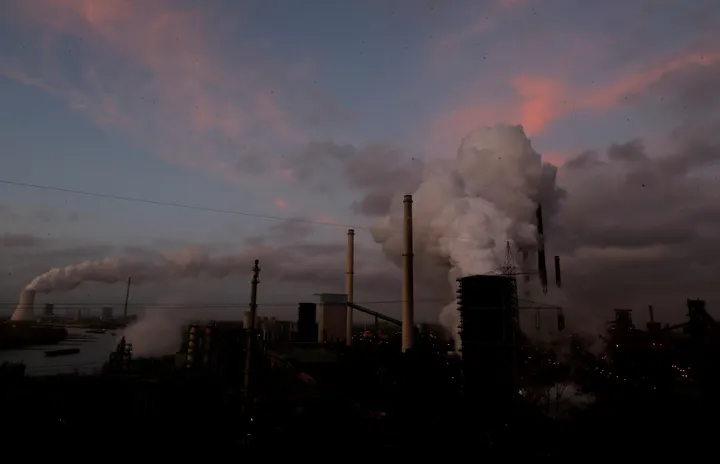
A September 2026 study by the Centre for Research on Energy and Clean Air (CREA), a Helsinki-based think tank, estimated that smoke from months of wildfires caused 3,560 premature deaths in Indonesia—twice the estimate for August. The same analysis reported that 57.8 million people were breathing air classified as unhealthy to hazardous. CREA also calculated that pollution from non-fire sources—power generation, industry and transport—added 1,750 deaths, bringing the total estimated mortality to 5,310 for the month. National exposure to fine PM2.5 particles exceeded the World Health Organization’s annual guideline by more than sevenfold, with levels 10 times the guideline in Sumatra and 24 times in Kalimantan (the Indonesian part of Borneo). The study noted over 330,000 cases of acute respiratory infection nationwide.
02
Government Response
Indonesian authorities defended their actions, stating that more than 72,000 personnel were deployed for cloud-seeding and firefighting, over 2,100 doctors and health workers were sent to the hardest-hit areas, and 5.3 million masks were distributed to the public.
Visual evidence
Images from the story
03
Criticism of Preparedness
Agus Sari, chief executive of the consultancy Landscape Indonesia, criticized the response as “weak preparedness” and described the disaster as “predictable and avoidable,” citing recent budget cuts at the national disaster agency BNPB.
04
Extent of Fires and Underlying Causes
Deforestation monitor Nusantara Atlas reported that more than 1.9 million hectares had burned in the nine months leading up to September. Experts largely attribute the fires to slash-and-burn land clearing, often carried out by timber, palm-oil and mining companies. The ongoing drought, intensified by the El Niño weather pattern, has further exacerbated the situation.