
Full Breakdown
New Draft Deal Presented to Iran Amid Regional Mediation Push
By Drooid · · How we work
In this breakdown
01
Background & Context
The war that began on February 28 2026 between the United States, Israel and Iran has spread to Saudi Arabia and Yemen, disrupting oil shipments and prompting mediation attempts. Qatar and Pakistan have led recent diplomatic tracks, while the Mecca Defence Alliance—Saudi Arabia, Pakistan and Turkey—has sent a high-level delegation to Tehran to discuss de-escalation, regional security and Houthi attacks on Saudi infrastructure.
02
Core Diplomatic Event
On October 28 2026 Qatari mediators delivered a new draft peace proposal to Tehran, according to a Reuters official briefed on the negotiations. The draft outlines a seven-day timetable of confidence-building steps that could begin early the following week, with several countries slated to act as guarantors. The same day, senior Iranian officials described the Qatar-presented ideas as “unacceptable” and not a genuine offer, reiterating Tehran’s stance on its nuclear programme.
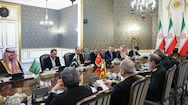
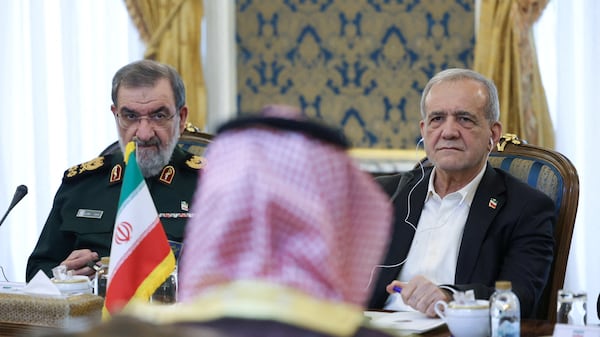
The following Monday, representatives of the Mecca Defence Alliance—Saudi Defence Minister Prince Khalid bin Salman, Pakistan’s Army Chief Field Marshal Asim Munir and Turkey’s Intelligence Director Ibrahim Kalin—met Iranian President Masoud Pezeshkian and Supreme National Security Council secretary Mohsen Rezaei in Tehran. Coordinated with the United States, the talks focused on a regional non-aggression network, Houthi attacks, the Strait of Hormuz and the U.S. naval blockade of Iranian ports.
Visual evidence
Images from the story
03
Data & Statistics
- Oil prices rose more than 1 % to above $115 per barrel after a Houthi strike on Saudi Arabia’s Ras Tanura refinery.
- The draft plan proposes that, within five days, the United States would lift its naval blockade, ease sanctions on Iranian oil exports and release frozen assets; on day six Iran would reopen the Strait of Hormuz; negotiations would resume on day seven.
04
Official Statements & Responses
- A Qatar-linked official said the draft was coordinated with Washington before traveling to Tehran.
- The United States has indicated that any settlement must include Iran’s nuclear programme from the outset.
05
Criticism & Opposition
Iranian security adviser Ali Asghar Shafieian warned that the meeting should not be interpreted as an ultimatum preceding an attack, highlighting the lack of concrete guarantees from the parties.
06
Verbatim Quotes
- “Very good discussions took place between us,” — Mohsen Rezaei, Iranian security chief
- “I feel that a new atmosphere is emerging in the region.” — Mohsen Rezaei
- “For Saudi Arabia, both the current situation and a war with Iran carry serious costs,” — Babak Dorbeiki, London-based analyst
- “You cannot conclude from this meeting alone that it was an ultimatum before an attack,” — Ali Asghar Shafieian
07
Conflicting Reports & Gaps
Sources differ on whether the Qatar-presented document constitutes a fresh, actionable offer. Reuters and the briefed official describe it as a new draft deal with a defined seven-day timeline, while senior Iranian officials label it “unacceptable” and assert that no genuine offer was made. Details of the daily steps and the identities of guarantor states remain undisclosed.
08
What’s Next
- The United States faces a midterm election on November 3, amid speculation of a short, intensive military offensive in the region.
- President Donald Trump has reiterated threats to strike Iran again, while Iranian security officials have indicated plans to target Gulf undersea cables should U.S. and Israeli attacks resume.
- The Mecca Defence Alliance delegation signaled willingness to hold a second round of talks, possibly in Turkey, to continue dialogue on regional security and the Houthi conflict.
These diplomatic movements occur against a backdrop of heightened military posturing, oil-price volatility and ongoing humanitarian concerns in Yemen, underscoring the fragile balance between negotiation and escalation.