
Full Breakdown
Spain’s second high-speed rail disaster of 2026: what is known
By Drooid · · How we work
In this breakdown
01
The collision in Urda, Toledo
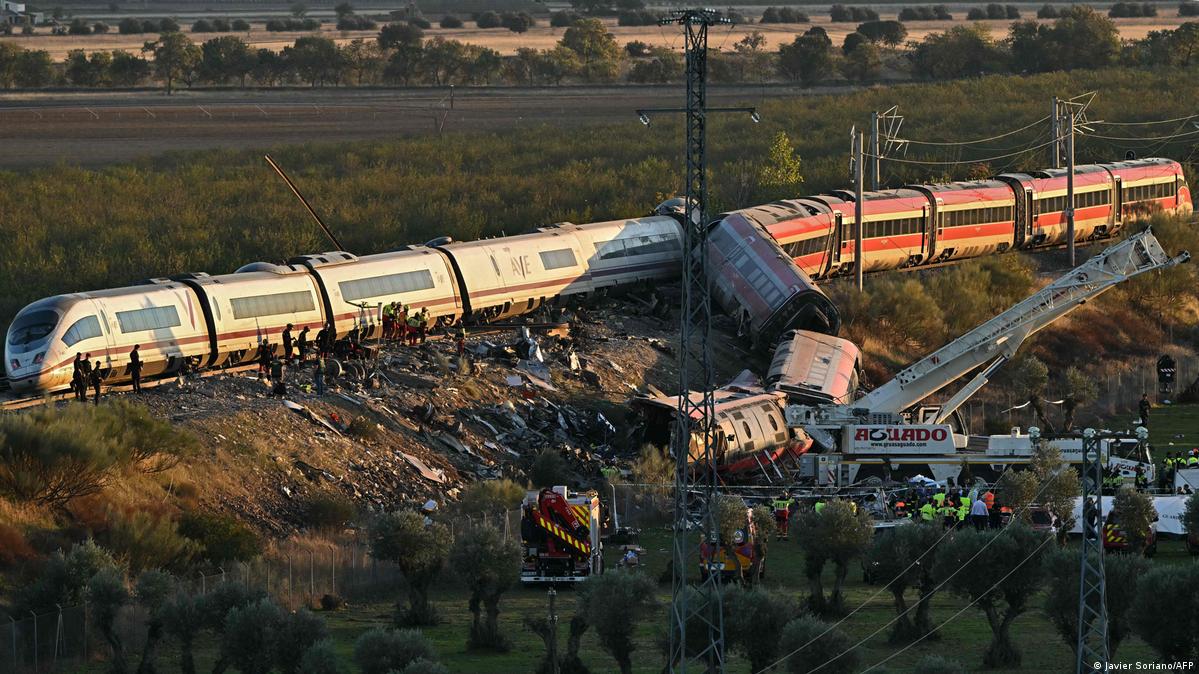
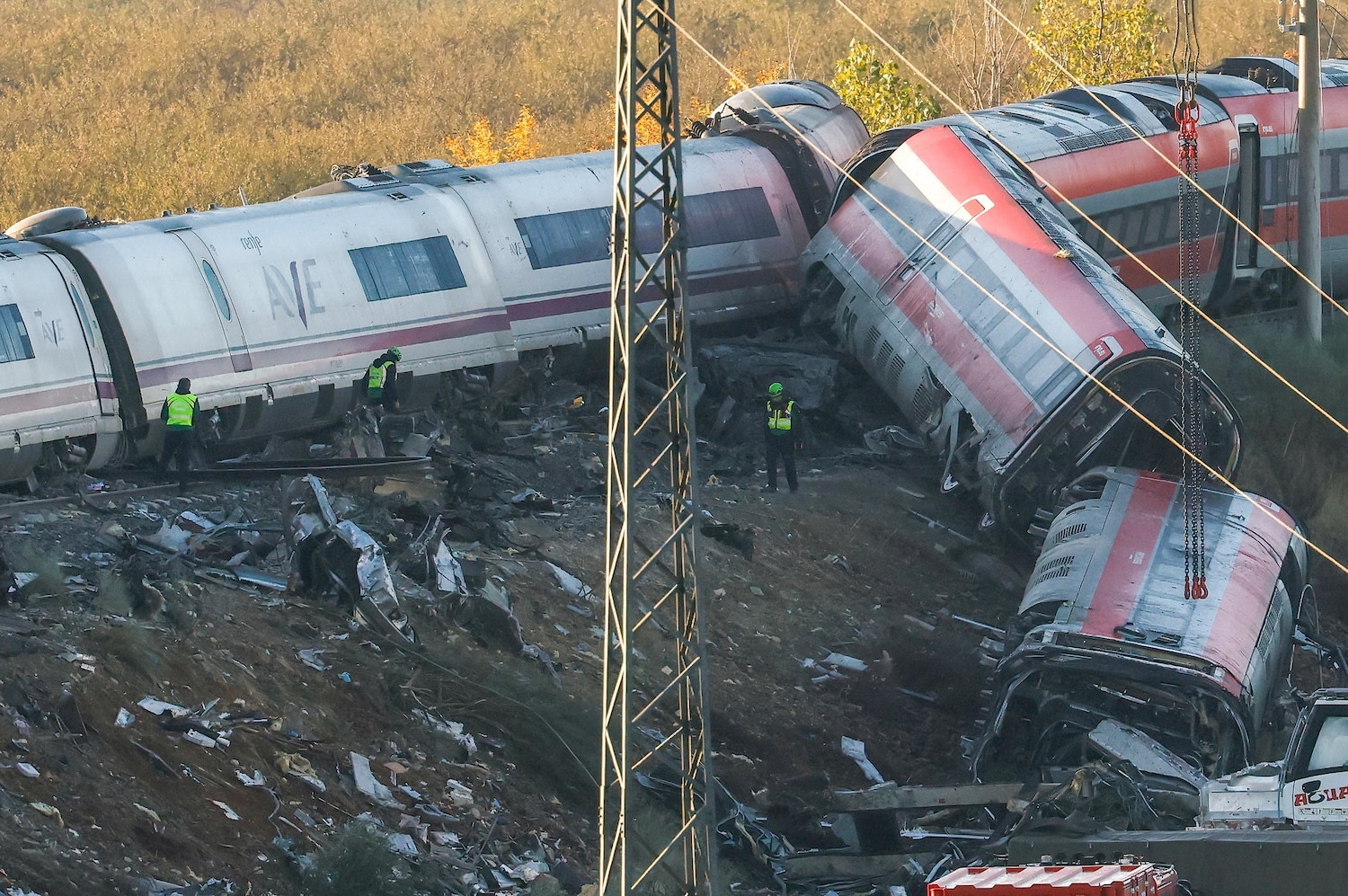
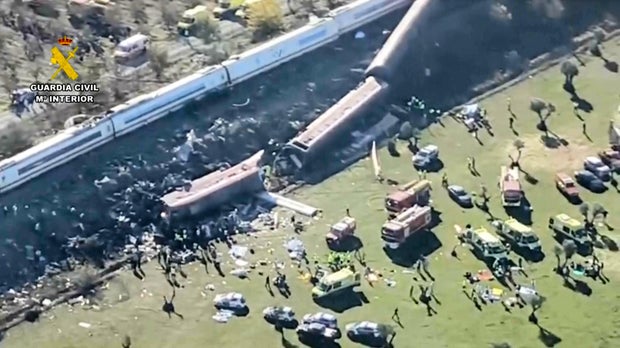
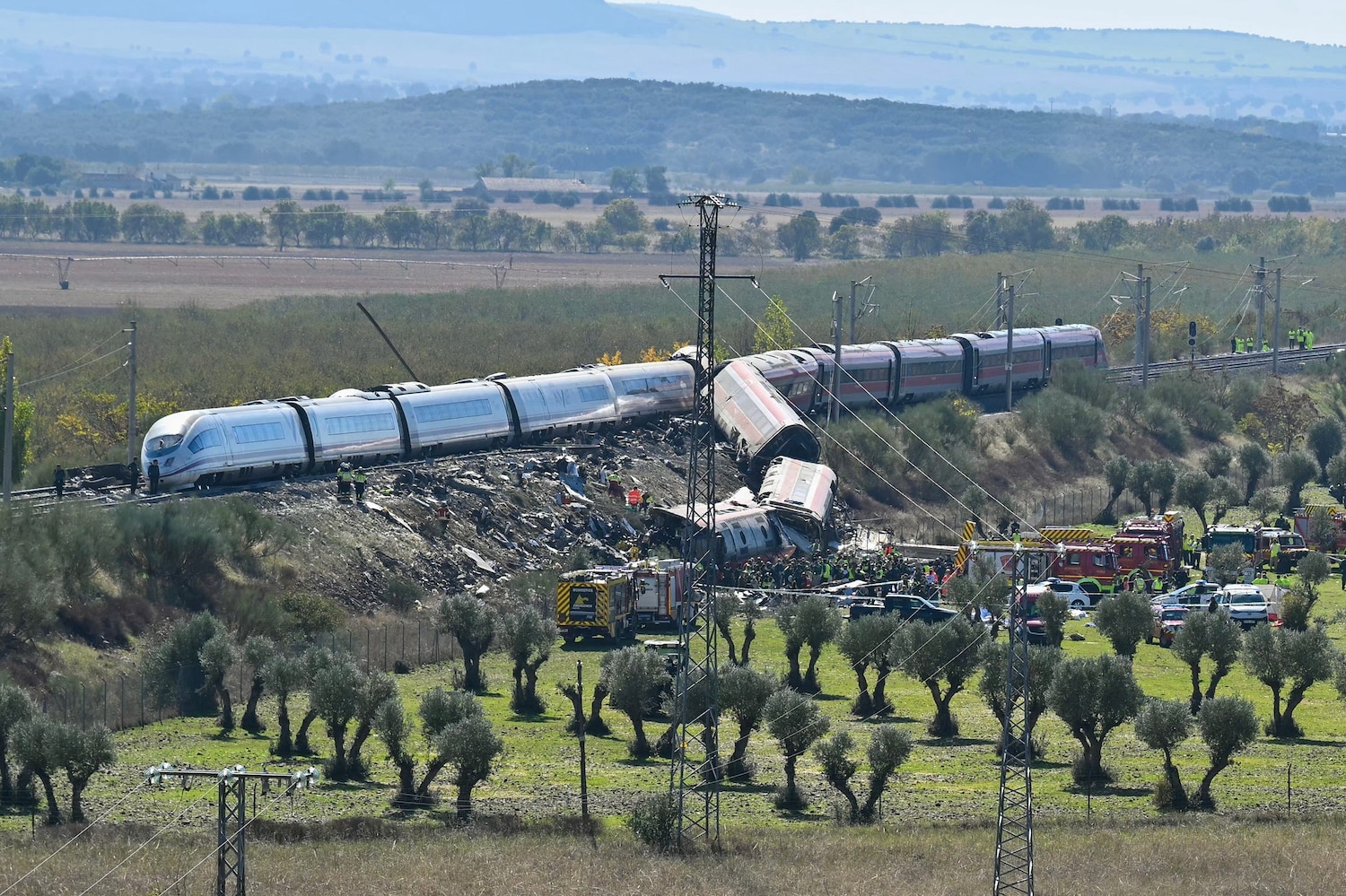
On October 28, 2026 a RENFE AVE train travelling south from Madrid collided with a stationary Iryo train on the Madrid-Seville high-speed line near Urda, Toledo. The LZB train-control system failed at 8:30 a.m., forcing six trains on a 63-km stretch to stop. At 8:36 a.m. the control centre in Madrid authorised the RENFE train to resume “normal running” despite an active red signal. The Iryo train remained stopped 25 km ahead. At 8:53 a.m. the RENFE train struck the rear of the Iryo train, derailing carriages and shredding metal.
Watch
Related reporting
cbsnews
Video: Passengers aboard deadly train collision in Spain speak out
youtube
Shock, anger and mourning in Spain after 2nd major train crash this year
akamaized
Protesters demand answers after deadly train crash in Spain
02
Background & context
Spain’s high-speed network, the world’s second-largest after China, carries about 45 million passengers annually. Liberalisation in 2021 opened the Madrid-Seville line to private operators; Iryo began service in 2022. The same line saw a fatal crash in January 2026 (46 deaths). Since 2019 daily trips on the Madrid-Barcelona segment rose from 56 to 89, increasing traffic on ageing infrastructure.
Visual evidence
Images from the story


03
Data & statistics
- Passengers: 397 on the RENFE train, 147 on the Iryo train.
- Fatalities: official counts range from 68 to 69 deaths.
- Injured: more than 100, with 15 in critical condition.
- Speed: investigators estimate the RENFE train was travelling between 160 and 200 km/h (100-125 mph) at impact.
- LZB system: a three-decade-old German-designed signalling and automatic-braking system still in use on this line.
04
Official statements & responses
Transport Minister Óscar Puente called the control-centre order “inexplicable” and “erroneous,” insisting engineers were not to blame. Regional president Emiliano García-Page said the crash zone had been declared an investigation zone and that the black-box recorders had been handed to the Civil Guard. Opposition leader Alberto Núñez Feijóo demanded a “complete and independent review” of the rail network.
05
Criticism & opposition
Rail-traffic-controller union SCF and train-engineers’ union SEMAF argue that systemic problems, not a single operator, underlie the accident.
06
On-the-ground reports
Rescue teams with sniffer dogs and cranes worked through the night to extract bodies and treat the injured. Esther Padilla, spokesperson for the Castilla-La Mancha regional government, said 53 people remained hospitalized on October 29, 2026, with 15 in intensive care. Survivors described being thrown from their seats, carriages ripped from the tracks, and a “devastating” scene of twisted metal and blood.
07
Conflicting reports & gaps
- Death toll: early statements cited 68 deaths; later updates raised the figure to 69.
- Train speed: sources give a range of 160-200 km/h, while the transport minister later suggested a possible speed of 200 km/h.
- Cause: officials point to an LZB failure and an “inexplicable” human decision, but investigators have not yet confirmed whether procedural safeguards were ignored or additional technical faults contributed.
08
Verbatim quotes
- “An order is given for the train to restart, an erroneous decision,” — Oscar Puente, transport minister
- “The LZB system should have been replaced some time ago,” — Diego Martín, spokesperson of the SEMAF
- “We are not convinced that the liberalization of the high-speed passenger rail service was matched by the necessary upkeep of the lines,” — Joan Rodríguez
09
What’s next
A judge in Toledo and a special government commission are conducting parallel investigations; the RENFE black-boxes have been sent to the Civil Guard for analysis. The rail-accident investigation commission will issue a final report before the November 29 general election. Train-driver unions have proceeded with a planned strike demanding stronger safety measures and accelerated replacement of the LZB system.