
Full Breakdown
Gal’on Fortress Reopens After Major Restoration
By Drooid · · How we work
In this breakdown
01
Scheduled Inauguration of the Restored 3,200-Year-Old Fortress
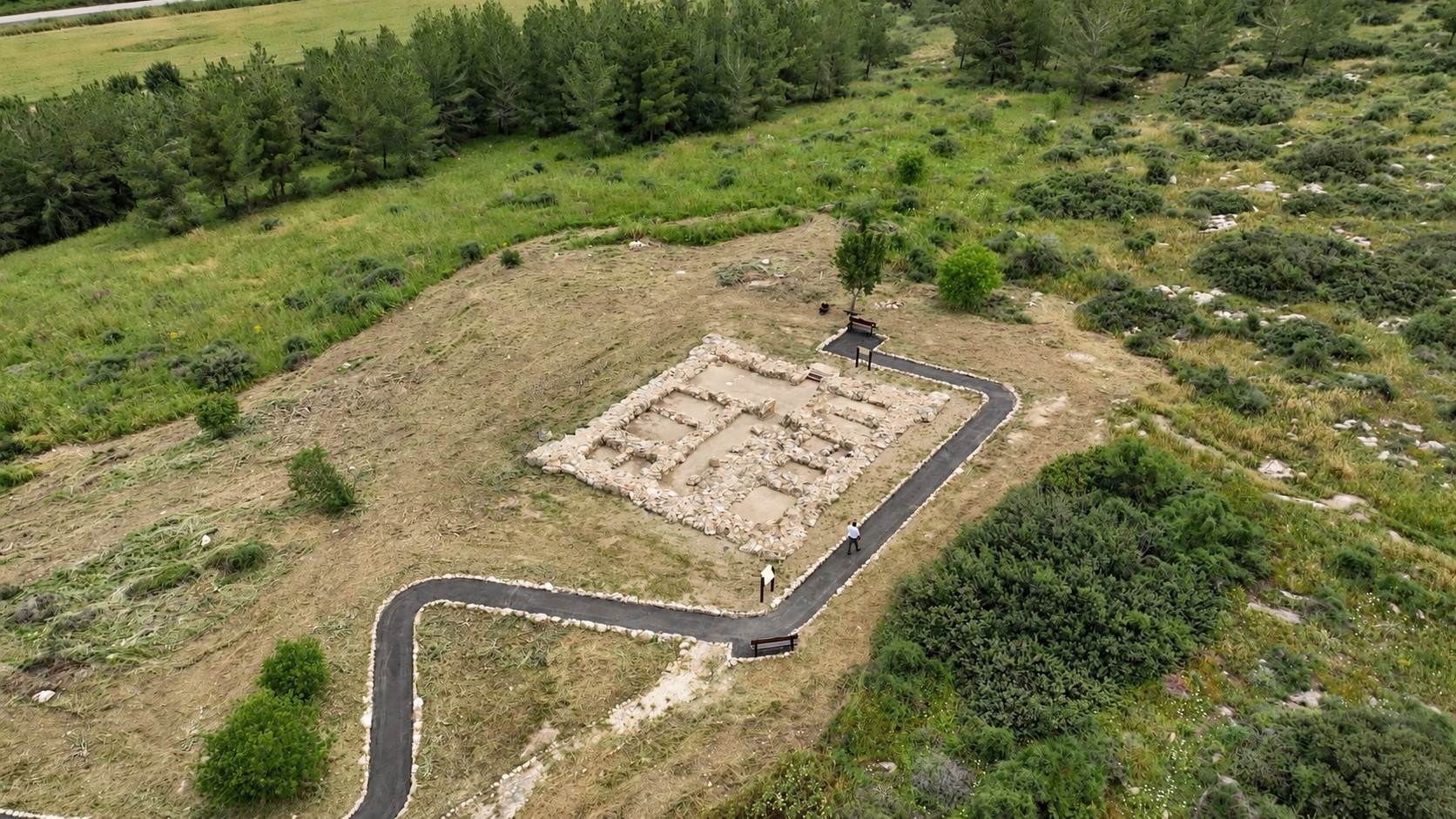
The Gal’on Fortress, a mid-12th-century BCE citadel in Israel’s Guvrin Forest, is set to be inaugurated on Thursday, October 29. The ceremony follows a NIS 400,000 (?£96,000) restoration undertaken jointly by Keren Kayemet LeYisrael-Jewish National Fund (KKL-JNF) and the Israel Antiquities Authority (IAA). The project completed excavation, conservation, and accessibility upgrades, adding parking, a new access road, picnic facilities, and handicapped-accessible pathways.
02
Background & Context
The stone complex dates to the era described in the Book of Judges, when Canaanite, Israelite, and Philistine groups contested the region. Archaeologists interpret the fortress as a strategic lookout over the ancient road linking the coastal plain to the Judean Lowlands, possibly built by Canaanite or Egyptian authorities to address the emerging geopolitical landscape.
Visual evidence
Images from the story

03
Key Figures & Groups
- Dr. Saar Ganor – Archaeologist, Israel Antiquities Authority, co-excavator of the site.
- Dr. Itamar Weissbein – Archaeologist, Israel Antiquities Authority, co-excavator.
- MK Amichai Eliyahu – Israeli Minister of Heritage, political leader commenting on the site’s symbolic value.
- Eyal Ostrinsky – Chairman, KKL-JNF, emphasizing heritage preservation.
- Ami Shahar – Deputy Director-General for Conservation, Israel Antiquities Authority, stressing public access.
- KKL-JNF – Non-profit organization responsible for forest development and the restoration effort.
- Israel Antiquities Authority – Government agency overseeing excavation and conservation.
04
Timeline
- 1963 – KKL-JNF began afforestation of the Guvrin area, eventually creating a 4,400-dunam (1,087-acre) forest.
- Six years ago – The fortress opened on a preliminary basis for limited public visits.
- October 29 (scheduled) – Formal inauguration of the fully restored site.
05
Data & Statistics
- Restoration cost: NIS 400,000 (?£96,000).
- Forest size: Approximately 4,400 dunams (1,087 acres).
- Fortress age: Mid-12th century BCE, roughly 3,200 years old.
- Accessibility upgrades: Handicapped-accessible parking and pathways, new signage, and visitor amenities.
06
Official Statements & Responses
Minister Amichai Eliyahu said the fortress underscores a timeless struggle for the land, linking ancient conflicts to contemporary security concerns. Chairman Eyal Ostrinsky highlighted the project as part of a broader mission to preserve Israel’s archaeological heritage for future generations. Ami Shahar noted that archaeology extends beyond discovery; it includes safeguarding sites so the public can continue to learn from them. Dr. Itamar Weissbein explained that the fortress’s location suggests a deliberate effort by ancient powers to control a key transportation corridor.
07
Verbatim Quotes
- “The Gal’on Fortress provides a glimpse into the geopolitical reality described in the Book of Judges, in which the Canaanites, Israelites, and Philistines fought each other,” — Dr. Saar Ganor
- “In these days when the State of Israel is required to be on vigilant guard for its security, the Gal’on Fortress reminds us that the struggle for the land is not a new story,” — Israeli Minister, of Heritage MK Amichai Eliyahu
08
What’s Next
The inauguration on October 29 will open the site to all visitors, including those with mobility challenges. Guided tours, informational signage, and picnic areas are intended to make the fortress a focal point for education and tourism within the Guvrin Forest. Authorities encourage schools, families, and heritage groups to explore the restored remains and reflect on the region’s layered history.