
Full Breakdown
DOJ Subpoenas California Election Officials Over Alleged Non-Citizen Voting
By Drooid · · How we work
In this breakdown
01
Core Event
The U.S. subpoenas, dated October 21 and a later date in October 2026, target three Los Angeles County Registrar-Recorder employees and additional officials in Orange, Santa Clara and San Diego counties. Recipients are ordered to appear before a grand jury on November 4 — the day after the midterm election.
Watch
Related reporting
cbsnews
Video: Election law expert on 2 Dan Sullivans in Alaska, DOJ bid to force California to set aside ballots
02
Background & Context
President Donald Trump’s administration has repeatedly asserted that California’s voter rolls contain thousands of non-citizens. A federal lawsuit filed October 15 accused the state of maintaining “more than 20,000 likely non-citizens” on its rolls. Earlier in the campaign, the administration claimed the number of alleged non-citizen voters was as high as 190,000 before scaling it back to 20,000.
Visual evidence
Images from the story


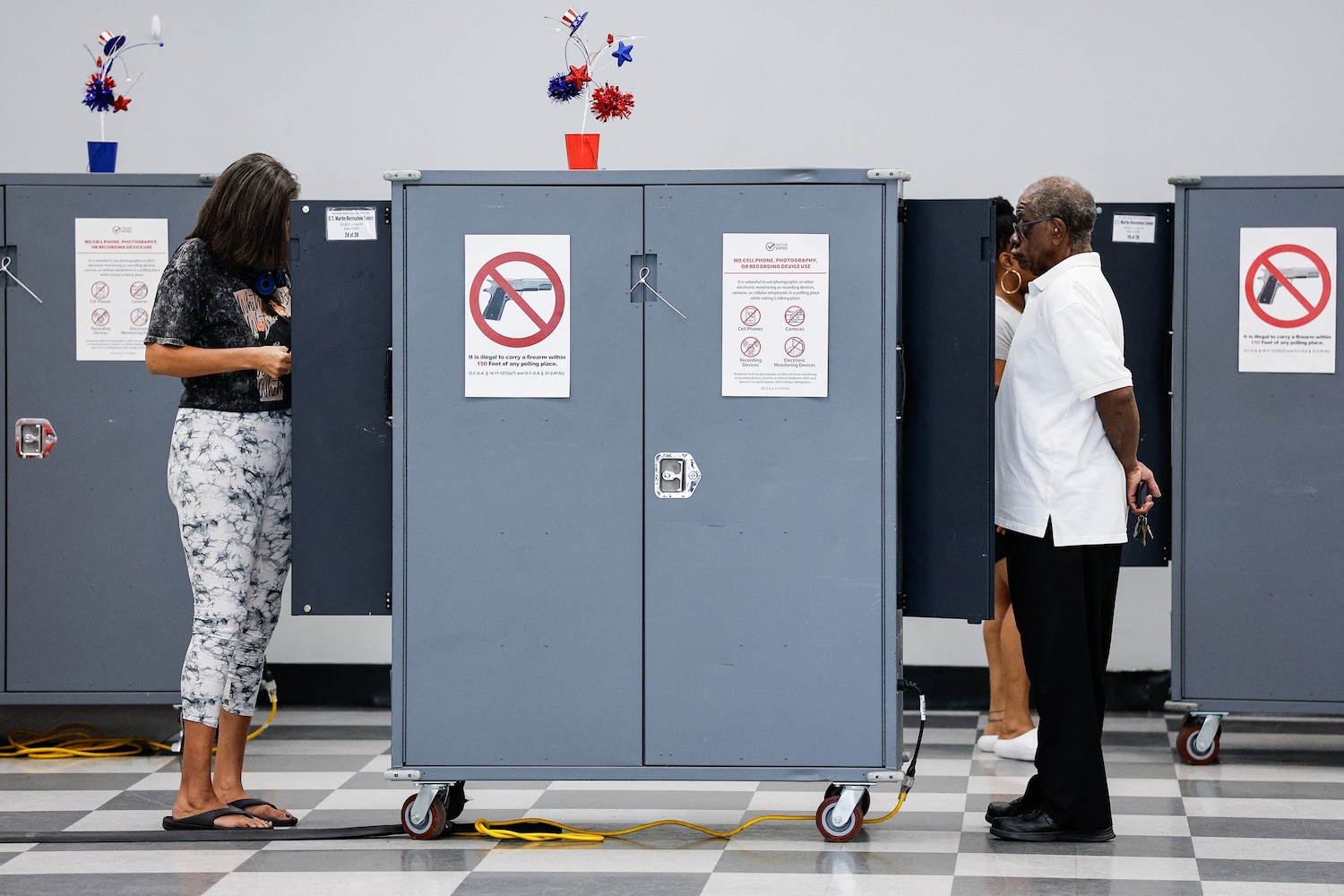
03
Timeline
- October 21 2026 – Subpoenas issued to Los Angeles County staff.
- Late October 2026 – Additional subpoenas sent to other county officials.
- October 28 2026 – U.S. District Judge David Carter warns DOJ to stop threatening election workers.
- October 29 2026 – DOJ announces the subpoenas publicly; media report the action.
- November 4 2026 – Scheduled grand-jury appearances for the three Los Angeles County employees.
- November 13 2026 – Evidentiary hearing where Judge Carter will consider the government’s request to block disputed ballots.
04
Data & Statistics
- ? 20,000 alleged non-citizen voters on California rolls (DOJ claim).
- 23 million total registered voters in California (state data).
- ? 500,000 mail-in ballots already processed in Los Angeles County (court filings).
- 28 green-card holders charged in a prior statewide sweep (DOJ statement).
- 156 immigrants charged nationwide in the pre-midterm push (DOJ spokesperson).
05
Official Statements & Responses
- He also noted that “clear court rulings” have upheld California’s procedures.
- He also questioned why the DOJ pursued civil litigation rather than criminal prosecution of individual cases.
06
Criticism & Opposition
- Matt Lesenyie, political-psychology expert at Cal State Long Beach, questioned the selective targeting of counties, stating, “If there’s a problem with California, I’d like to see them dig into all counties, not a selective group of counties.”
07
On-the-Ground Reports
County officials in Butte, Orange, San Benito and other jurisdictions reported that the DOJ’s lists contain numerous inaccuracies—missing data, duplicate entries and a high proportion of individuals who are U.S. citizens.
08
Conflicting Reports & Gaps
- The administration’s public estimate of non-citizen voters has shifted dramatically—from an initial claim of 190,000 to the current 20,000—without a clear explanation.
- State and local reviews have found that a substantial share of the names on the DOJ list are either citizens or lack sufficient identifying information, but the exact proportion remains undocumented.
- It is unclear how many of the 20,000 alleged voters have actually cast ballots, as voting is ongoing and the DOJ has not disclosed any confirmed cases of illegal voting tied to the list.
09
What’s Next
- Judge Carter will hear arguments on the DOJ’s request to block the disputed ballots at a November 13 evidentiary hearing.
- The DOJ has appealed the October 28 ruling to the Ninth Circuit, urging a rapid decision to prevent “irreversible ballot processing.”
- A special master, Daniel B. Garrie, has been appointed to develop the factual record on the alleged non-citizen voter list before the court’s final ruling.