
Full Breakdown
Evacuation Effort Begins in Russian-Occupied Oleshky Amid Ceasefire
By Drooid · · How we work
In this breakdown
01
Core Event: Humanitarian Evacuation Launches
On October 27 a localized ceasefire took effect in the Russian-occupied town of Oleshky, Kherson region, enabling a humanitarian evacuation. Twenty-five buses with a capacity of 750 passengers, plus ambulances for those with limited mobility, were positioned to transport residents who choose to leave. Ukrainian Human Rights Ombudsman Dmytro Lubinets and Russian Human Rights Commissioner Yana Lantratova announced that the convoy would begin moving civilians on October 29, after de-mining of designated routes was completed.
Watch
Related reporting
kyivindependent
Oleshky evacuation begins but volunteer claims Russia already moved people outside of agreed terms
02
Background & Context
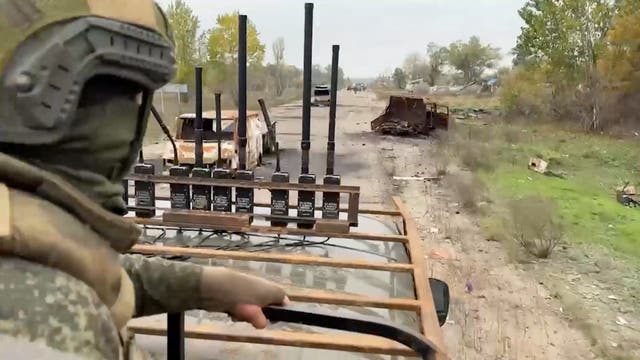
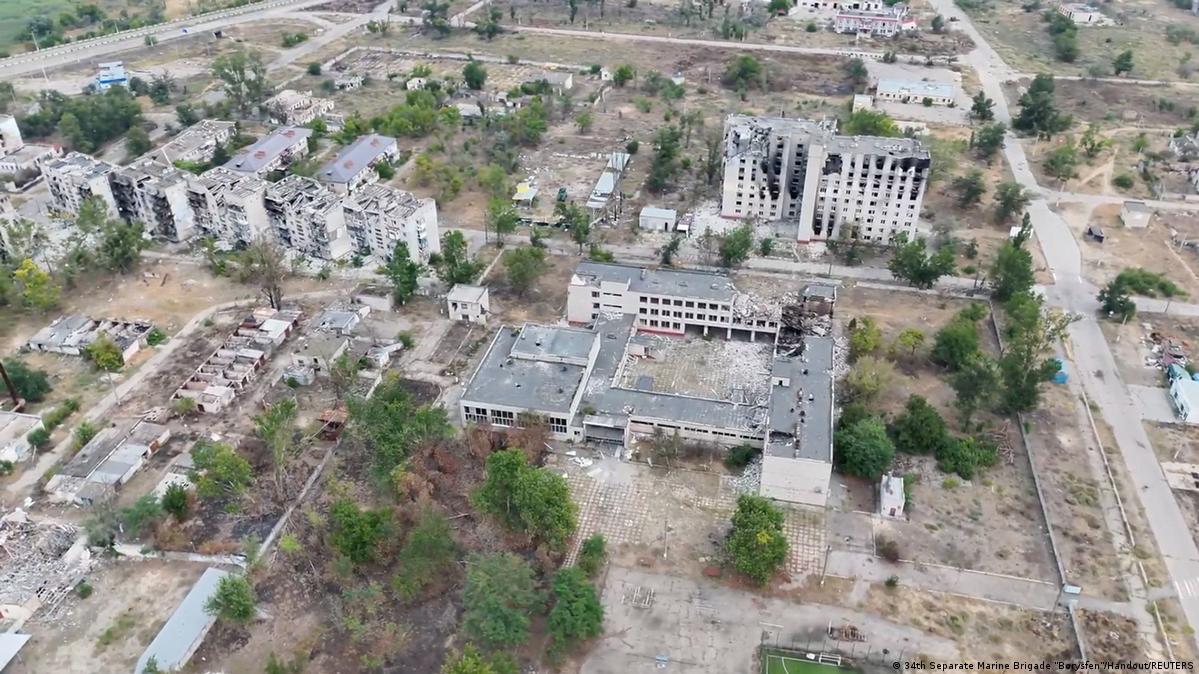
Oleshky has been under Russian control since February 2022. The destruction of the Kakhovka dam in 2023 flooded the area, and mined roads have isolated the town. Residents have endured severe shortages of food, water, electricity and medical supplies, with the United Nations Human Rights Monitoring Mission reporting starvation and lack of care in June 2026.
Visual evidence
Images from the story



03
Timeline
- October 23 2026 – Ukraine and Russia sign a ceasefire and evacuation agreement in Belarus.
- October 27 2026 – Ceasefire takes effect at 3:00 a.m. Kyiv time; mine-clearing operations begin.
- October 29 2026 – Buses and ambulances are readied; Lubinets confirms convoy readiness.
- October 30 2026 – Prime Minister Serhii Koretskyi retracts an earlier estimate of 527 evacuees, stating that exact numbers are still unknown.
04
Data & Statistics
- Estimated 2,000 people remain in Oleshky (Lubinets).
- The Ukrainian Ombudsman's office later cited up to 6,000 people, including 200 children, still in the town and surrounding area.
- The Save Ukraine Foundation reports rescuing at least 300 civilians over the past six months.
- Organizers anticipate that roughly 500 people may eventually be evacuated.
05
Official Statements & Responses
Ukrainian officials emphasize voluntary choice: Lubinets said all who wish to leave will be given a safe opportunity, while those staying will receive humanitarian support. Prime Minister Koretskyi initially indicated that evacuees would travel through Russia to Belarus before entering Ukraine, but later clarified that no precise figures or routes are confirmed.
U.S. First Lady Melania Trump’s team brokered the ceasefire; Marc Beckman, senior advisor to Trump, stated that Russia has pledged to respect residents’ destination choices and that safeguards have been jointly devised.
06
Criticism & Opposition
A volunteer source alleged that Russian forces were moving civilians before the agreed start date, restricting access to the town’s hospital and threatening villagers with lethal force, raising concerns of forced “filtration” akin to 2022 deportations from Mariupol.
07
Conflicting Reports & Gaps
- Evacuee numbers: Prime Minister Koretskyi cited 527 people; Save Ukraine Foundation estimates 500; Lubinets mentions 2,000 remaining; the ombudsman later references up to 6,000.
- Route details: Ukrainian officials suggest a path through Russia and Belarus, while Russian statements stress that any passage through occupied Crimea or Russia does not constitute forced deportation. No public confirmation of the exact corridor exists.
- Timing: The ceasefire is scheduled to last until November 1, but the precise start of civilian movement remains unclear, with reports of early bus deployments on October 29.
08
Verbatim Quotes
- “Everyone who wishes to leave Oleshky will be given the opportunity to leave safely. At the same time, those who have decided to stay can stay and will receive all the necessary humanitarian support,” — Rights Ombudsman Dmytro Lubinets.
09
What’s Next
The ceasefire remains in force until November 1, allowing continued de-mining, aid deliveries, and staged evacuations. Ukrainian and Russian delegations plan to monitor compliance and address any violations, while international observers await confirmation that residents can freely choose their destination without coercion.