
Full Breakdown
Measles Resurgence in the United States: Accelerated Vaccination and Community Outreach
By Drooid · · How we work
In this breakdown
01
Core Event
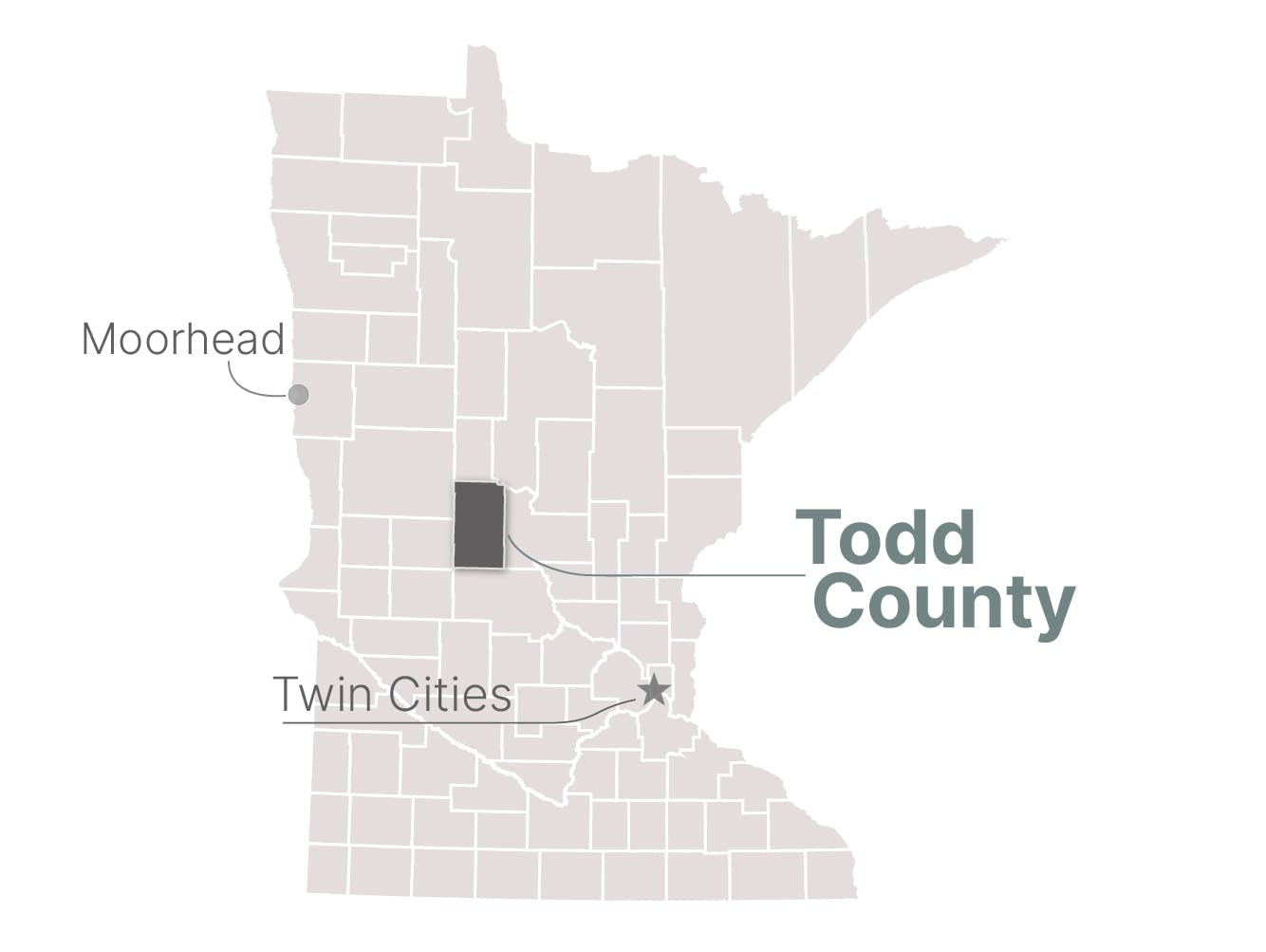
In 2026 the United States has recorded more than 4,500 measles cases—roughly twice the total reported the previous year. Pennsylvania leads with over 1,350 cases, a third of which are concentrated in Lancaster County, the nation’s largest Amish settlement. Minnesota’s Todd County accounts for 57 of the state’s 80 cases, the highest annual total since 1990. Kentucky, Georgia, Tennessee and other states report dozens of additional infections, most of them in unvaccinated children and adolescents. Hospitalizations affect about 1 in 5 infected individuals, and five measles-associated deaths have been confirmed in Pennsylvania.
Watch
Related reporting
cbsnews
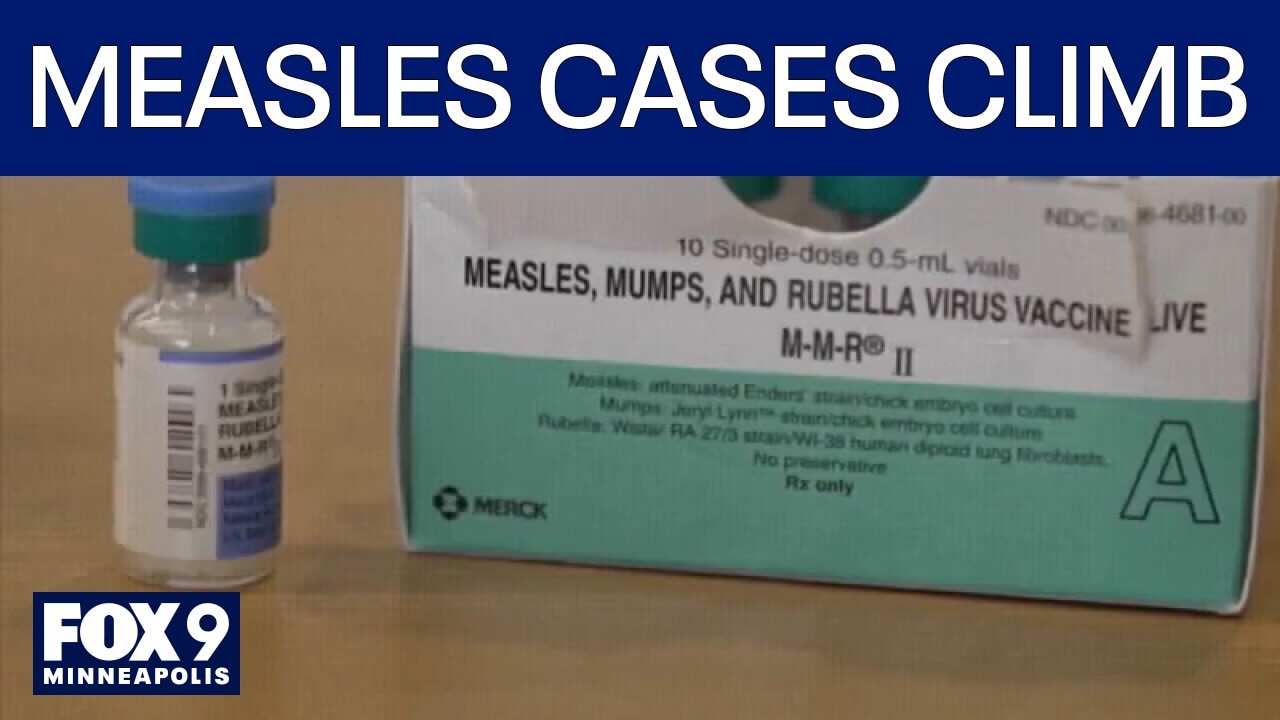
Video: Minnesota's measles case count hits 36-year high
02
Background & Context
Measles was declared eliminated in the United States in 2000. Since the COVID-19 pandemic, routine childhood vaccination rates have slipped: CDC data show kindergarten MMR coverage fell from 95.2 % in 2019-20 to 92.4 % in 2025-26. Experts say the decline creates “the perfect conditions” for the highly contagious virus to spread, especially in tight-knit communities with historically lower uptake.
Visual evidence
Images from the story



03
Data & Statistics
- Pennsylvania: ? 1,350 cases; > 1/3 in Lancaster County; 5 deaths.
- Minnesota: 80 cases (most recent count Oct 29 2026); 57 in Todd County; 71 % in children < 18.
- Kentucky: 201 cases statewide, 11 hospitalizations, no deaths.
- National: ? 4,500 cases, ? 95 % of infections in unvaccinated or unknown-status individuals.
- CDC: 1 in 5 measles cases require hospitalization; 1 in 20 develop pneumonia; 1 in 1,000 experience encephalitis.
04
Impact
Measles spreads through airborne droplets and can linger in a room for up to two hours. The virus is transmissible before the rash appears, allowing infected travelers to move across state lines unnoticed. When community vaccination falls below the 95 % threshold, herd immunity erodes, exposing infants too young for the vaccine, pregnant people and immunocompromised individuals to severe complications.
05
Official Statements & Responses
The CDC advises that the second MMR dose may be administered as early as 28 days after the first in outbreak settings. State health departments in Pennsylvania, Minnesota and Kentucky have launched pop-up clinics and mobile units to deliver early doses, especially to “Plain” communities. Dr. Anne-Marie Derrico, chief medical officer at Union Community Care, warns that “there’s no way to imagine that this is going to be an isolated community.”
06
On-the-Ground Reports
Parents such as Margot Taylor in Chicago have accelerated their children’s MMR schedules, saying, “All three of them are fully vaccinated, but it’s had to be accelerated because of all of these increasing cases.”
07
Conflicting Reports & Gaps
County coroners in Pennsylvania attributed a measles-related infant death to a ruptured spleen rather than the infection itself, creating uncertainty over the official death toll. State health officials also acknowledge that many cases likely go unreported because individuals in Amish and other Plain communities may not seek medical care.
08
What’s Next
Pennsylvania’s Department of Health plans additional pop-up vaccination sites through the winter and is monitoring the upcoming Mennonite wedding season for potential spikes. Minnesota expects a rise in cases as indoor gatherings increase during colder months. The CDC continues to recommend early second doses where outbreaks occur and urges parents to verify vaccination status before travel or large gatherings.