
Full Breakdown
John Healey’s Budget Shifts £3 bn to Defence, Raising Doubts Over Green-Heating Targets
By Drooid · · How we work
In this breakdown
01
Core Event – Budget Reallocation
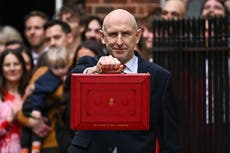
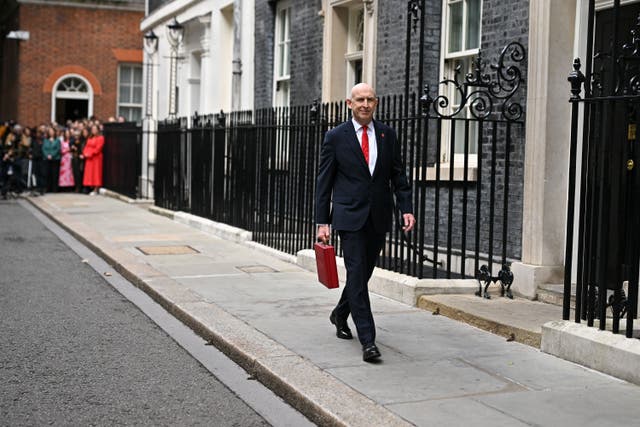
On 28 October 2026 Chancellor John Healey announced that £4.7 bn of a £15 bn Defence Investment Plan will be funded by “reprioritisation” of capital spending across Whitehall. The move fully finances the plan but requires a 1 % cut in departmental capital budgets from 2027-28 to 2029-30 and draws heavily on the energy department, including a £741 m reduction to the boiler-upgrade (heat-pump) scheme.
Watch
Related reporting
ex
Healey announces measures to give people 'breathing space' on living costs
02
Background & Context
Healey, who resigned as defence secretary in June 2026, returned as chancellor in the Burnham government. His budget seeks to meet NATO’s 3 % of GDP defence spending target by 2030 and 3.5 % by 2035, while the green-heating programme had been slated to expand heat-pump installations from 60 000 to 250 000 homes per year by 2030.
Visual evidence
Images from the story


03
Data & Statistics
- Energy-department cuts: > £3 bn.
- Heat-pump subsidy cut: £741 m removed.
- Planned heat-pump funding: rise from £400 m (2024) to just over £700 m by 2029-30, indexed to inflation.
- Heat-pump uptake target: 250 000 installations/yr by 2030 (current ? 60 000).
- Defence funding gap filled: £4.7 bn via 1 % capital cuts and £1.7 bn from Treasury contingency.
- NATO targets: 3 % of GDP by 2030; 3.5 % by 2035.
04
Official Statements & Responses
- Lucy Rigby, junior treasury minister, said the re-allocation will meet defence commitments “within our fiscal rules; both are absolute, it’s not that one caveats the other.”
05
Criticism & Opposition
- “After the cuts announced on Wednesday, it is very difficult to see how we can hit our clean heating targets,” said Andrew Sissons, director at Nesta.
- Ed Matthew, E3G, called the heat-pump funding change “disappointing – so frustrating.”
- Former adviser Paul Ovenden warned the shift emphasizes cost over capacity to meet green targets.
- Lord Robertson, former NATO secretary, said, “We cannot defend Britain with an ever-expanding welfare budget.”
- Kemi Badenoch, Conservative leader, labelled the budget a “plan to have a plan” and said it makes the country “less safe.”
06
Why It Matters – Impact on Climate and Security
The reallocation secures immediate defence growth and satisfies NATO benchmarks, but the reduced heat-pump subsidy threatens the UK’s ability to meet its legally binding clean-heating targets. Analysts warn that without the planned funding increase, installations could stagnate, undermining emissions-reduction pathways.
07
Conflicting Reports & Gaps
- Defence spending timeline: Reuters and the BBC cite the 2027-28 capital cuts, but the exact date for achieving the 3 % target remains unspecified.
- Green-heating funding: The Guardian notes funding will rise only with inflation, while the Spectator suggests the cuts reflect a broader shift away from a pro-renewables agenda. Future funding levels beyond inflation indexing are not disclosed.
08
What’s Next – Future Steps
- Detailed financing plans for the 3 % and 3.5 % defence targets will be presented at next year’s spending review.
- The “Innovative Defence Financing Taskforce” and negotiations on a Multilateral Defence Mechanism with the Netherlands, Finland and Poland aim to conclude in 2027.
- No further announcements have been made regarding adjustments to the heat-pump subsidy beyond inflation indexing.