
Full Breakdown
ECB Holds Key Rates Steady as Energy Shock Fuels Inflation Risks
By Drooid · · How we work
In this breakdown
01
Core Decision – October 29, 2026
On October 29, 2026 the European Central Bank’s Governing Council left its three principal interest rates unchanged: the deposit facility at 2.50 %, the main refinancing operations rate at 2.65 % and the marginal lending facility at 2.90 %. The decision followed a 0.25-percentage-point hike in September and was taken amid a widening energy shock that the bank said could raise inflation and dampen growth.
02
Background & Context
The euro area has been confronting a prolonged surge in energy prices, driven largely by geopolitical tensions in the Middle East and the war in Ukraine. Staff projections for energy inflation in September were lower than the actual rise.
Visual evidence
Images from the story
03
Data & Statistics
- Headline inflation in the euro zone rose to 3.8 % in September, up from 3.2 % in August.
- Energy-price inflation jumped 18.9 % in September, versus 14.3 % in August.
- Inflation excluding energy increased to 2.3 %, from 2.1 % the month before.
- Services inflation reached 3.2 %, while food inflation rose to 1.3 %.
- In Cyprus, overall inflation stood at 5.2 % in September, with energy prices up 21 % and services inflation at 7.1 %.
All figures are drawn from ECB releases.
04
Official Statements & Responses
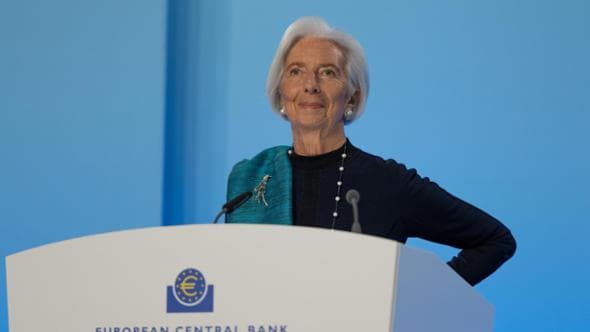
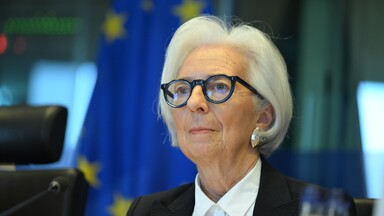
ECB President Christine Lagarde emphasized that “energy prices have continued to rise, posing upside risks to the inflation outlook and downside risks to the growth outlook.” The Governing Council reiterated its commitment to a 2 % medium-term inflation target and noted that tighter financing conditions since the previous meeting would likely temper both inflation and growth. It also highlighted the Transmission Protection Instrument to counter disorderly market dynamics.
05
On-the-Ground Perspective – Cyprus
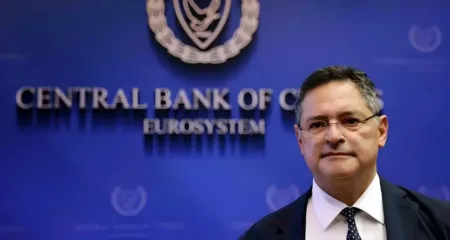
Cyprus Governor Christodoulos Patsalides pointed to robust labour-market conditions, solid public-finance buffers and a well-capitalised banking sector as factors that enable the country to sustain private consumption despite rising prices. He also cited diversification into information and communication technologies as a buffer against external shocks.
06
Verbatim Quotes
- “Energy prices have continued to rise, posing upside risks to the inflation outlook and downside risks to the growth outlook,” — Christine Lagarde, ECB president
- “In light of the new data and our overall assessment, we judged that maintaining the key interest rates at their current levels allows the ECB to manage the prevailing uncertainty effectively, while remaining firmly committed to returning inflation to, and maintaining it at, the medium-term target of 2 per cent,” — Christodoulos Patsalides, Cyprus governor
07
Why It Matters
The ECB’s decision signals a cautious approach to monetary tightening while the euro area grapples with an energy-driven inflation surge. By keeping rates steady, the bank aims to avoid over-tightening that could further suppress growth, yet it remains ready to adjust policy if inflationary pressures persist. The stance influences borrowing costs across the bloc, affecting mortgage rates, corporate financing and sovereign bond yields.
08
What’s Next
The ECB has indicated that future policy moves will depend on incoming data on inflation, wages and financing conditions. A new set of economic projections is expected later in the year, after which the Governing Council will reassess the need for any rate adjustments.