
Full Breakdown
King Charles III’s Caribbean Tour Confronts Calls for Slavery Apology and Reparations
By Drooid · · How we work
In this breakdown
01
The Tour and Its Immediate Focus
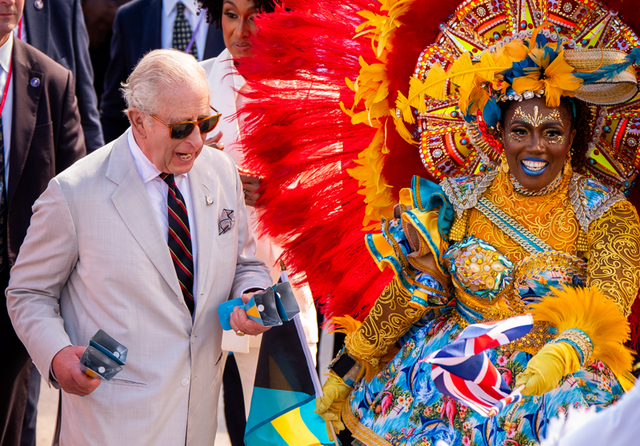
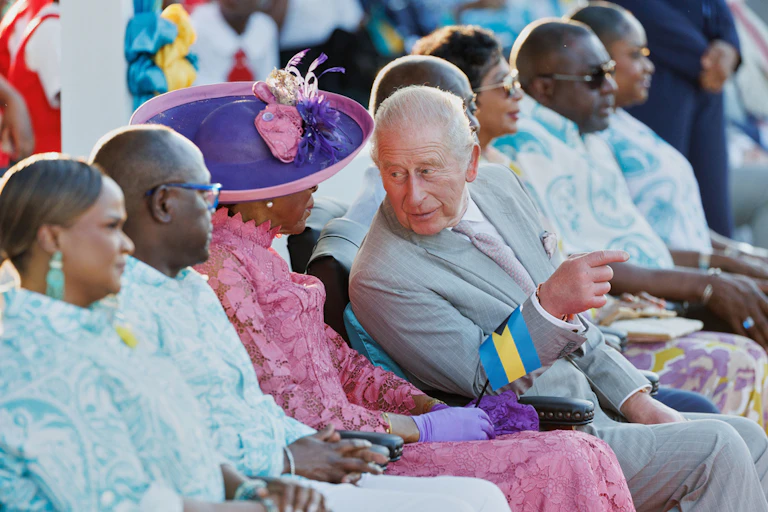
In late October 2026 the British monarch began a nine-day Caribbean itinerary, starting in the Bahamas, moving to Guyana on October 29, and concluding in Antigua and Barbuda for the Commonwealth Heads of Government Meeting. The visits coincide with intensified demands from Caribbean leaders for a formal apology for Britain’s role in the trans-Atlantic slave trade and for reparations. Buckingham Palace has said an apology is a matter for the British government, not the Crown.
02
Historical Context of Britain’s Slave Trade
From the 15th to the 19th century European traders forcibly moved an estimated 12.5 million Africans; Britain’s share is placed at roughly 3.2 million, the second-largest after Portugal. The Crown chartered slave-trading companies, profited from customs revenues, and used enslaved labour in Royal Navy dockyards and West India Regiments. When Britain abolished slavery in 1834, the government allocated £20 million (about $23 billion today) to compensate slave owners, while formerly enslaved people received no restitution.
Visual evidence
Images from the story
03
Quantifying the Legacy
- Human toll: 5 million Africans were transported to the Caribbean, with more than 2 million arriving in British colonies.
- Financial claims: Barbados Prime Minister Mia Mottley has cited a $4.9 trillion debt owed by former slave-trading nations; Jamaica’s reparations campaign has referenced a $10 billion claim.
- Environmental stakes: Charles warned that 90 % of the Bahamas’ land lies below 2 metres, underscoring climate vulnerability that reparations advocates link to historic exploitation.
04
Official Statements and Government Positions
- President Mohamed Irfaan Ali (Guyana): Calls for reparations framed as debt relief, development financing, and investment in education and health.
- Hilary Beckles, head of the Caribbean Reparations Commission: Said the region is “mobilized” and ready to confront Britain on its historical links to slavery.
- British government: Consistently rejects both a formal apology and financial reparations, maintaining that such matters are beyond the Crown’s constitutional remit.
05
Verbatim Quotes
- “We know that some of what is best in Bahamian culture today, the most joyful, the most hopeful, the most bright, was born out of darkness,” — Britain’s King Charles
- “The reason why he doesn't go further is that he's aware [of] what it will mean to actually apologize, in terms of the legal obligation to make reparation,” — Esther Stanford-Xosei, a lawyer and reparations expert
06
Upcoming Engagements and Prospects
The itinerary includes a scheduled meeting with Caribbean heads of state in Antigua and Barbuda on October 30, where climate, trade and development will be on the agenda alongside reparations discussions. A hearing before the Judicial Committee of the Privy Council in March 2027 will consider Jamaica’s petition on the legality of Britain’s historic slave-trading activities—a procedural step activists view as insufficient without substantive royal or governmental action. The outcome may influence republican debates in several Caribbean realms, where the symbolic role of the British monarch is increasingly scrutinized.