
Full Breakdown
King Tides Trigger Severe Beach Erosion in Brevard County
By Drooid · · How we work
In this breakdown
01
Core Event
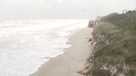
On October 29, 2026, strong winds combined with exceptionally high tides—commonly referred to as “king tides”—produced high surf and pronounced erosion along the beaches of Brevard County, Florida. The surge in water levels and wave action stripped sand from dunes and exposed vulnerable shoreline sections, prompting local officials to document the damage and issue safety warnings.
02
Background on the King Tide Phenomenon
King tides occur when the gravitational forces of the sun, moon, and Earth align, creating the highest predictable water levels of the year. Although they are not associated with storm systems, the amplified tides can generate powerful surf, coastal flooding, and accelerated shoreline loss. Recent observations in Brevard County show that the current king tide cycle has intensified erosion compared with conditions recorded in July of the same year.
Visual evidence
Images from the story

03
Official Response and Public Advisories
The Cocoa Beach Fire Department deployed personnel to monitor dune crossovers earlier in the week. After assessing the erosion and hazardous surf, department officials advised residents and visitors to refrain from entering the water until conditions improve. The department’s ongoing documentation includes photographic comparisons of beach profiles before and after the tide event, intended to inform future mitigation efforts.
04
Implications for Coastal Management
The rapid erosion underscores the vulnerability of Brevard County’s coastal infrastructure to predictable tidal extremes. Officials plan to review dune restoration strategies and consider additional protective measures, such as reinforced sand fences and updated public-access guidelines, to reduce future exposure. Continued monitoring of king tide impacts will be essential for adapting shoreline management practices in the face of recurring high-tide events.