
Full Breakdown
Starlink Slowdowns Spark Diplomatic and Military Tensions in Ukraine
By Drooid · · How we work
In this breakdown
01
The Disruption Event
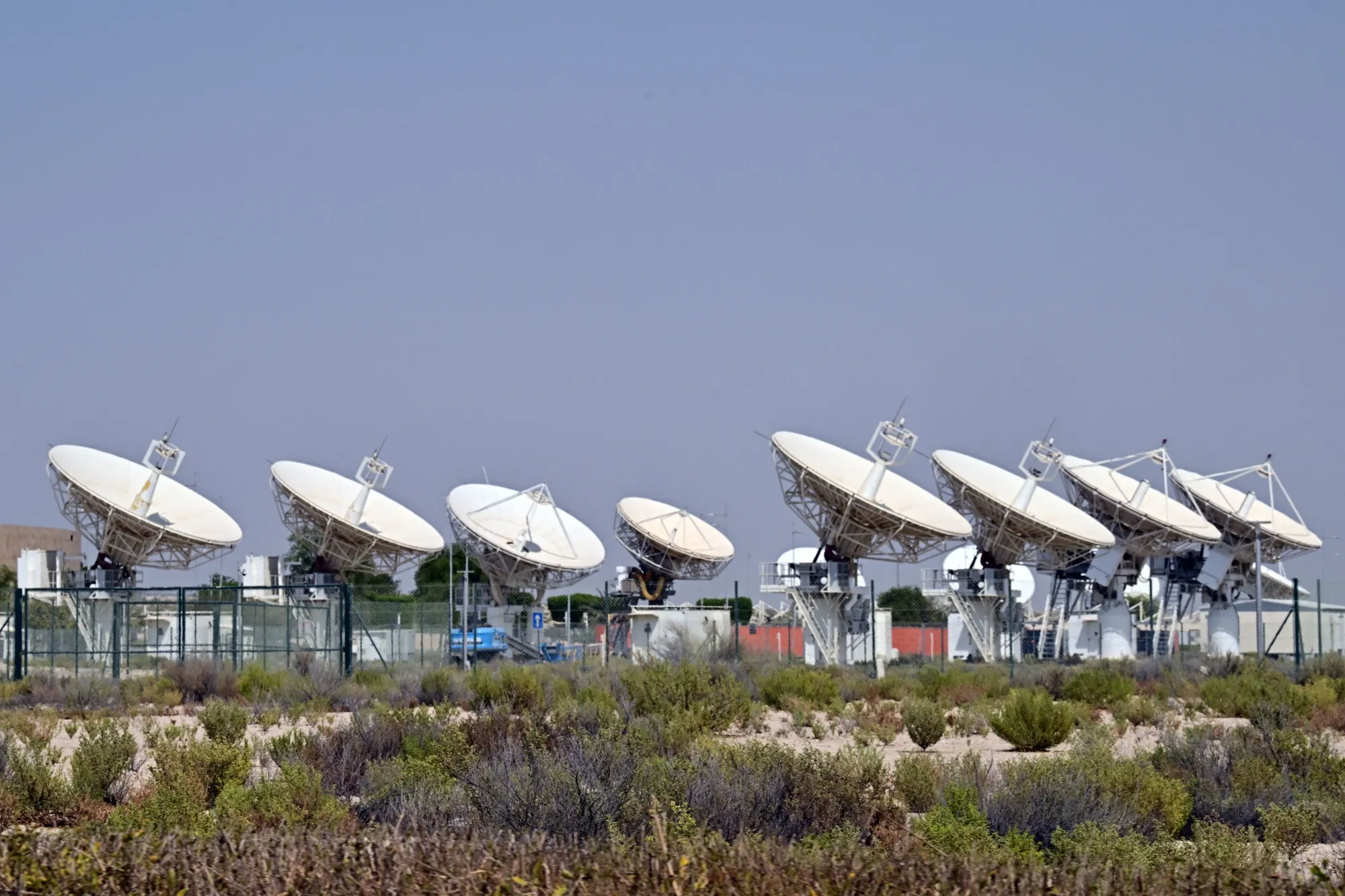
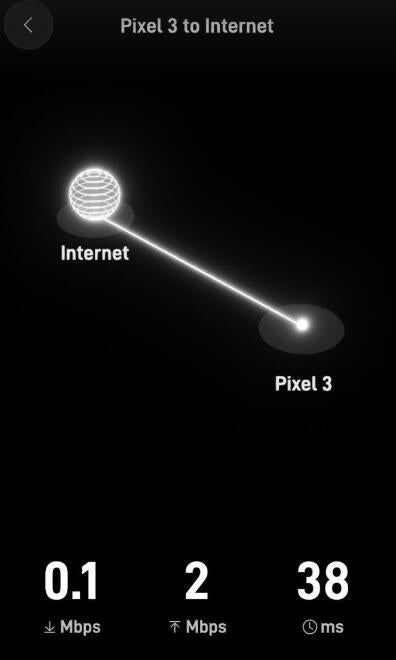
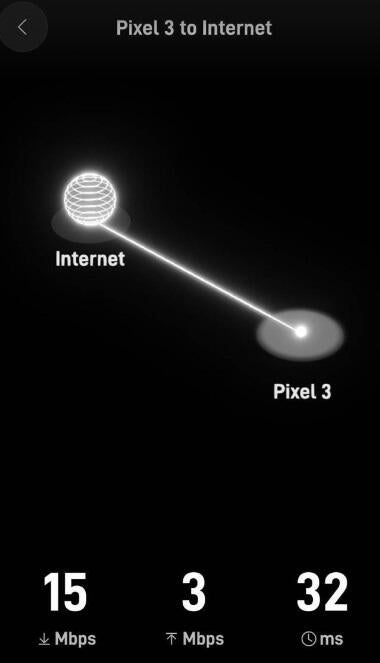
On October 14, 2026 Ukraine’s military reported that SpaceX’s Starlink and its defense-grade variant Starshield were throttled to about 0.1 Mbps, impairing links used by air-defence radars and interceptor drones. Ukrainian officials said the curbs hampered drone interceptions and forced the cancellation of several operations. The restrictions were lifted by the end of the month, exposing the fragility of Ukraine’s reliance on a privately controlled satellite network.
Watch
Related reporting
cbsnews
Video: Sister of Ukrainian woman who died in recent Russian attack speaks out
ddhq
What to know about Flydubai cockpit clash as pilot is arrested
ddhq
What to know about Flydubai cockpit clash as pilot is arrested
02
Background & Context
Since SpaceX began supplying terminals in early 2022, Starlink has become the backbone of Ukrainian command-and-control and drone warfare. A military-grade version, Starshield, runs on the same low-Earth-orbit constellation and is contracted through the U.S. Department of Defense. The October 2026 slowdown occurred amid heightened U.S. political friction: President Donald Trump was pursuing a diesel-import deal with Russia and pressed Ukraine to cease strikes on Russian oil facilities, while Elon Musk announced that the “loophole” allowing civilian Starlink use for offensive drone strikes had been closed.
Visual evidence
Images from the story



03
Data & Statistics
- SpaceX’s constellation comprises roughly 10,000 satellites; Russian officials cited “over 5,000.”
- The speed restriction limited throughput to about 160 km/h (? 100 mph) for drone links.
- Competing European systems: Eutelsat’s OneWeb operates 600+ satellites; the EU-funded IRIS² program plans 348 satellites, not operational until 2029.
- Ukraine’s sovereign effort: the OBRIA NANO satellite launched on October 1 2026 aboard a Falcon 9; Finnish firms ICEYE and Nokia signed a cooperation agreement on October 22 2026 with a first launch slated for 2028.
04
Official Statements & Responses
- President Vladimir Putin praised Musk as “a genius” and said Russia is in “close contact” with the billionaire to avoid orbital interference.
- Elon Musk acknowledged the throttling, accusing Ukraine of violating service terms, and said limits are set by the U.S. military.
- President Donald Trump denied ordering the restrictions and said, “If there’s a problem, I’ll get it straightened out.”
- Senator Jeanne Shaheen called the Pentagon inspector-general’s refusal to investigate “concerning” and urged an independent review.
- Inspector-General spokesperson Mollie Halpern said the matter falls under the Air Force’s jurisdiction and added, “Should new information come to light, we may reconsider.”
05
Criticism & Opposition
Security analysts warned that a single corporate leader can wield de-facto foreign-policy power. Retired General Ben Hodges called the slowdown “intentional” and said such actions erode confidence in U.S. space-based capabilities. European officials, including French MEP Christophe Grudler and Canadian Prime Minister Mark Carney, labeled dependence on a single U.S. billionaire “unacceptable” for allied security.
06
Conflicting Reports & Gaps
- Authorization: Musk said the U.S. government directed the change; Trump denied any order; the Pentagon offered no definitive answer, and the inspector-general declined to investigate.
- Satellite count: Putin claimed “over 5,000” satellites, while independent trackers record close to 10,000.
- Restoration: Ukrainian officials attribute the lift to Musk’s decision; SpaceX has not confirmed the exact timeline.
07
What’s Next
Ukraine is pursuing sovereign alternatives: the OBRIA NANO test satellite is the first step toward a national constellation; Finland’s ICEYE-Nokia partnership aims for a launch in 2028. Europe will expand OneWeb’s fleet, with 32 renewal satellites scheduled for launch on a SpaceX rocket on October 2 2026. The IRIS² program remains on track for a 2029 debut, while the U.S. Congress may consider legislation to clarify civilian-military control of commercial satellite services after the midterm elections. Until alternatives mature, Ukraine’s battlefield communications will remain vulnerable to corporate or political decisions beyond its direct control.