
Full Breakdown
Rothbury Estate Purchase Secured for Nature Conservation
By Drooid · · How we work
In this breakdown
01
Core Event
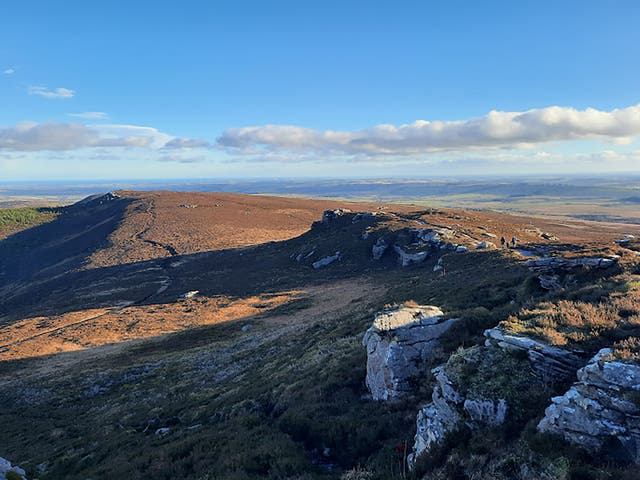
Conservation groups led by The Wildlife Trusts and the Northumberland Wildlife Trust completed the acquisition of the 9,500-acre Rothbury Estate in Northumberland for £30 million. The purchase, described as the largest land buy in England in years, aims to create a “nature recovery corridor” linking the North East coast to Kielder on the Scottish border.
Watch
Related reporting
ex
David Attenborough's must-watch TV moments
02
Funding and Partnerships
The deal was financed through a mix of public and private sources. The Department for Environment, Food and Rural Affairs (Defra) contributed roughly £1.9 million, while the National Lottery Heritage Fund supplied £5 million. Public donations amounted to £17 million, raised from more than 25,000 donors across 50 countries, and Sir David Attenborough’s endorsement generated over £1 million in the first week of fundraising.
Visual evidence
Images from the story
03
Official Statements & Responses
“But that does not put this particular purchase beyond scrutiny.” “By working with local communities to develop new approaches to land management, this transformational project has the potential to deliver nature recovery at a grand scale, helping to reconnect people to the unique natural and cultural heritage of this remarkable and nationally significant landscape.” — Mike Pratt, chief executive of Northumberland Wildlife Trusts
04
Local Opposition
Guy Renner-Thompson, chairman of the Northumberland Conservatives, argued that Defra’s £1.9 million grant misplaces priorities, insisting the department should focus on “our farmers and fishermen” and on sustaining food production. He questioned whether any conditions would accompany the grant to protect agricultural interests. Tenant farmer Chris Armstrong, who manages 1,000 acres adjacent to the estate, described local farming sentiment as split, with many viewing the purchase as a “folly.”
05
Impact and Future Plans
The new owners intend to integrate wildlife-friendly farming, restore peat bogs, and develop visitor infrastructure that showcases the estate’s prehistoric rock art. Early surveys of wildlife, landscape, and heritage have already begun, setting the stage for a long-term program that seeks to balance conservation with rural livelihoods.