
Full Breakdown
RTX 5080 Scarcity and Price Surge Amid a Global RAM Shortage
By Drooid · · How we work
In this breakdown
01
RTX 5080 Scarcity and Price Surge
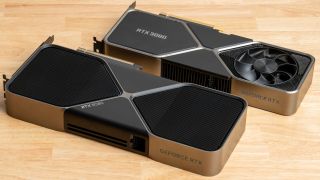
The Nvidia GeForce RTX 5080, Nvidia’s second-fastest consumer GPU, has largely vanished from Nvidia’s own GeForce Marketplace. Remaining listings are limited to “store-pickup only” at retailers such as Micro Center, and third-party sellers dominate online inventory. Prices have climbed to $2,000 – $3,000, far above the $999 launch MSRP, making the card effectively unobtainable for most gamers.
02
Background: RAM Shortage and AI Demand
The 2026 RAM crisis has hit graphics cards hard because high-performance GDDR7 memory is a core component. Simultaneously, demand for AI-focused GPUs has redirected Nvidia’s engineering and memory-supplier attention toward enterprise products that use high-margin HBM memory. This shift has reduced DRAM allocations for gaming GPUs, exacerbating supply constraints.
Visual evidence
Images from the story

03
Data & Statistics
- Original RTX 5080 launch price: $999.
- Current lowest reputable-seller price (PNY at Best Buy): $1,999, matching the RTX 5090’s on-paper MSRP.
- Third-party listings range from $2,211 to $2,983, with some “sketchy” sellers asking $3,000+.
- Comparable RTX 5070 Ti, launched at $749 in 2025, now retails for at least $1,299.
- RTX 5070, launched at $549, now costs at least $849.
04
Official Statements & Responses
Nvidia has not provided comment on the apparent discontinuation of the RTX 5080; the article’s author has reached out for a response and will update if one is received. Samsung, the primary supplier of Nvidia’s graphics memory, indicated in its latest earnings call that the RAM shortage is projected to worsen in 2027, suggesting any future 24 GB RTX 5080 variant would likely be even more expensive.
05
Implications for Gamers
The combined effect of soaring prices and dwindling stock means the two most powerful gaming GPUs are effectively out of reach for most consumers. Even if a 24 GB RTX 5080 appears as early as December or at CES 2027, the ongoing memory shortage implies that its cost could exceed current market levels, further limiting access to high-end gaming performance.