
Full Breakdown
DNA Links Ted Bundy to 1974 Utah Teen Murder
By Drooid · · How we work
In this breakdown
01
Closing a Half-Century-Old Murder
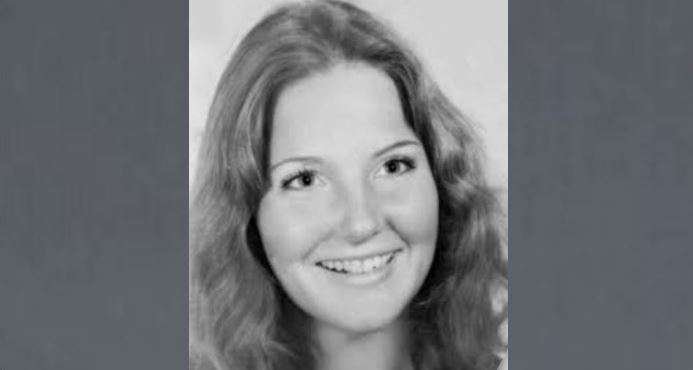
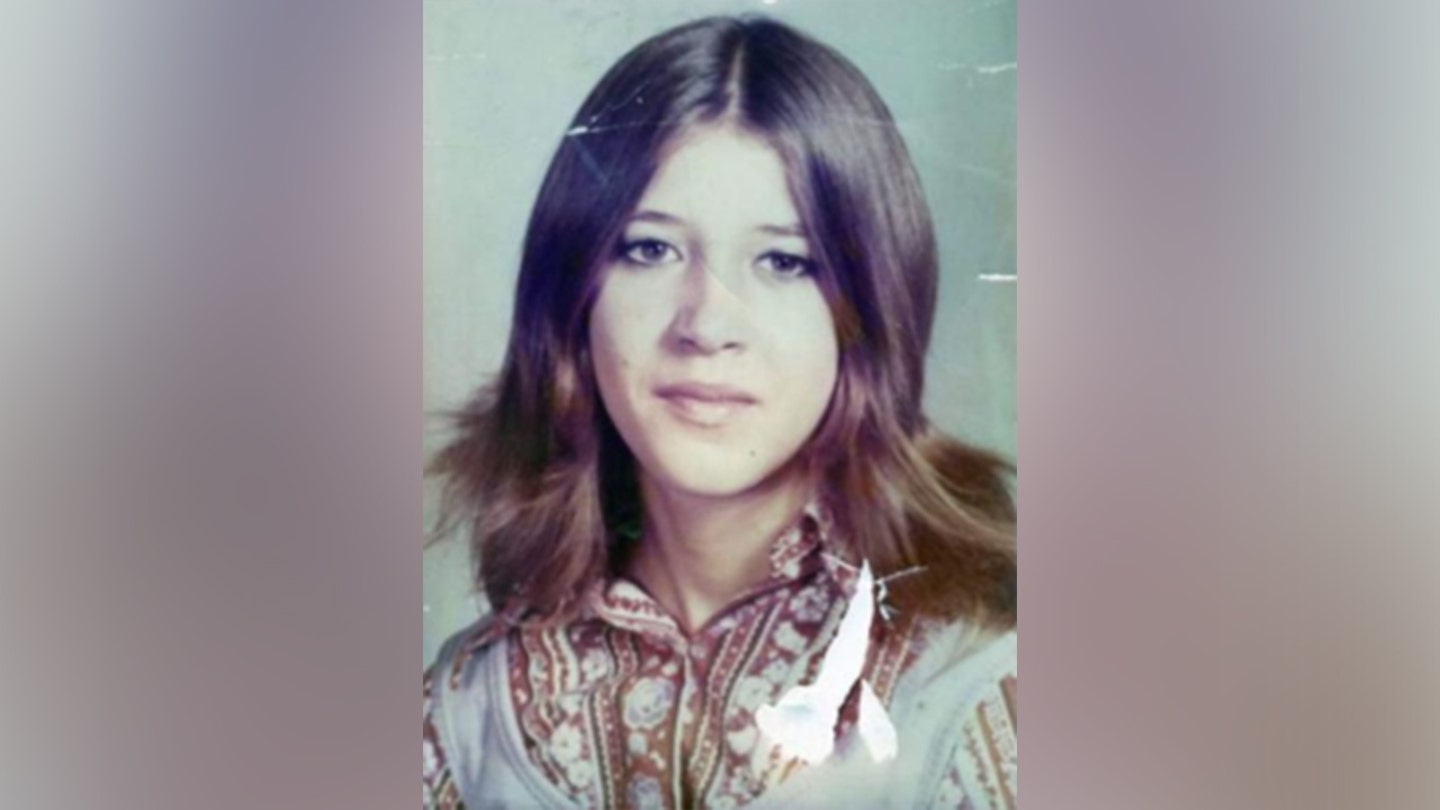
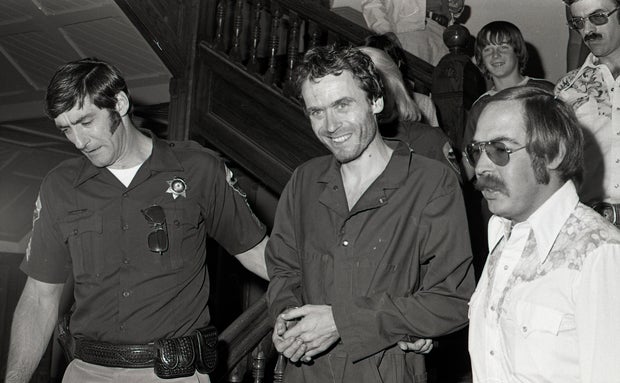
On Tuesday, Utah officials announced that the 1974 homicide of 17-year-old Melissa Ann Smith has been formally closed. Smith’s body was discovered by hunters on October 27, 1974 in Summit County. Investigators said a Y-STR DNA profile from Smith’s remains matches the profile previously linked to another 1974 victim, Laura Ann Aime. The match, confirmed on July 14, 2026, identifies Ted Bundy as the perpetrator.
Watch
Related reporting
cbsnews
Video: Evidence links Ted Bundy to cold case murder in Utah
02
Background and Forensic Advances
The breakthrough followed the April 2024 resolution of the Aime case, when DNA from Aime’s autopsy matched Bundy’s known profile. Utah’s State Crime Lab applied the same genotyping technology—capable of building full profiles from highly degraded samples—to evidence preserved from Smith’s investigation. Law enforcement officials emphasized that retaining evidence allowed the link to be made.
Visual evidence
Images from the story



03
Data and Timeline
- October 18, 1974 – Melissa Ann Smith reported missing.
- October 27, 1974 – Body found in Summit Park; signs of rape and torture documented.
- April 18, 2024 – Bundy’s DNA match to Laura Ann Aime publicly confirmed.
- July 14, 2026 – Y-STR profile from Aime matches Smith’s remains.
- October 28, 2026 – Authorities announce closure of the Smith case, 52 years after discovery.
04
Official Statements & Responses
Summit County Sheriff Kacey Bates noted the case had long remained open without a named suspect and that the closure reflects years of collaborative work. Salt Lake County Sheriff Rosie Rivera highlighted that preserving evidence provides “hope” for other cold-case families.
05
Verbatim Quotes
- “With every case closure, may we stomp the memory of Ted Bundy out,” — County Sgt. Mike Reynolds
- “This case demonstrates the importance of preserving evidence,” — Sheriff Rosie Rivera
- “Every single day forensics is changing, and we have the ability to take a look at these cases again and again,” — Sheriff Rosie Rivera
06
Ongoing Investigations
Detective Ben Pender of the Salt Lake County Sheriff’s Office said that while the Smith case is closed, other Utah cases remain active, citing the unsolved disappearance of 16-year-old Nancy Wilcox as an example that still relies on preserved evidence and emerging DNA techniques.
07
Conflicting Reports & Gaps
Bundy’s statements before his 1989 execution did not mention Smith or Aime, leaving only circumstantial links until the DNA match. No agencies have presented contradictory forensic findings; the consensus is that the DNA evidence provides definitive attribution.