
Full Breakdown
2026 Midterms Confront Polling Uncertainty, Campaign Shifts, and Iran-War Debate
By Drooid · · How we work
In this breakdown
01
Core Challenges of the Election Cycle
The 2026 U.S. midterm elections are unfolding amid three interlocking difficulties. First, the reliability of public opinion polls is eroding as new “synthetic surveys” that model responses with artificial intelligence appear alongside traditional opt-in polls with opaque methodologies. Second, former President Donald Trump has altered his rally strategy, canceling events in Iowa and Kansas and substituting a multi-state “phone-rally sprint.” Third, the ongoing U.S.–Iran conflict is becoming a focal point for candidates, with Republican Representative Pat Harrigan warning that the war’s unresolved status threatens both national security and electoral outcomes.
02
Background & Context
Polling turbulence. Pew Research Center notes that surveys have long struggled to predict voter turnout because respondents overstate voting intentions. Over the past decade, low-cost opt-in polls have proliferated while probability-based polling has become more expensive, leaving many states without dependable data. Recent studies also document “bogus respondents,” including AI-driven bot farms, that skew results—particularly among Hispanic adults and younger voters.
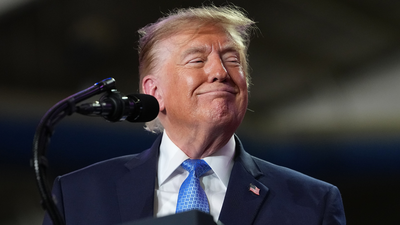
Trump’s campaign recalibration. In early October, Trump cancelled his scheduled weekend rallies in Iowa and Kansas, opting for phone-based outreach across nearly 20 states. The Republican National Committee described the effort as a “72-hour sprint” of phone rallies. Trump has held 25 rallies in October, short of his earlier target of more than 30, and told reporters he “feels perfect” when asked whether health concerns prompted the cancellations.
Iran-war pressure on voters. Rep. Pat Harrigan (R-N.C.), a member of the House Armed Services Committee, has linked the unresolved war with Iran to the midterms, arguing that the administration’s limited strategy “is not OK.” He contends that Congress must be closely involved in any decision to resume strikes, emphasizing that the war’s outcome will affect both national security and the party’s electoral prospects.
Visual evidence
Images from the story
03
Data & Statistics
- The 2026 race features the fewest incumbents on the ballot in a general election since 1992, according to Pew Research Center.
- Trump’s October rally count stands at 25, below his stated goal of more than 30.
04
Official Statements & Responses
- Donald Trump: “I feel perfect,” dismissing speculation that health concerns led to the rally cancellations.
- Republican National Committee: announced a “72-hour sprint” of phone rallies intended to reach voters in almost 20 states, with the schedule subject to expansion.
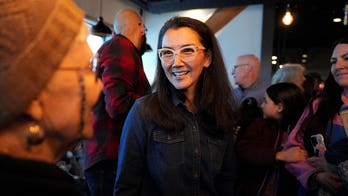
- Governor Mike Dunleavy (Alaska): ordered a state investigation after a report alleged Democratic candidate Mary Peltola’s campaign recruited a namesake to confuse voters; the Justice Department also issued grand-jury subpoenas.
05
Verbatim Quote
- “I share my constituents’ perspective that I’m very, very frustrated that this war is not over. The way this administration went about conducting the war, it needed to be wrapped up quickly, and we are not there yet,” — Rep. Pat Harrigan
06
Conflicting Reports & Gaps
- Pew Research Center’s analysis flags synthetic surveys as unreliable, yet no quantitative assessment of their market share or impact on specific races is provided.
- The exact number of states that will ultimately join the phone-rally sprint remains unspecified, as the Republican National Committee indicated the schedule could expand.
- Details of the Alaska investigation, including the outcome of the Justice Department subpoenas, are not yet available.
07
What’s Next
- The phone-rally sprint is slated to begin within the next few days and will continue for 72 hours, targeting voters in roughly 20 states.
- As Election Day approaches, candidates in key Senate contests—such as South Carolina’s Darline Graham vs. Annie Andrews and Ohio’s Sherrod Brown vs. Jon Husted—will intensify outreach amid the broader polling and foreign-policy uncertainties.