
Full Breakdown
Oxford Street Pedestrianisation Begins: First Phase Turns Iconic Shopping Mile Car-Free
By Drooid · · How we work
In this breakdown
01
Core Event – Launch of the Pedestrian-Only Zone
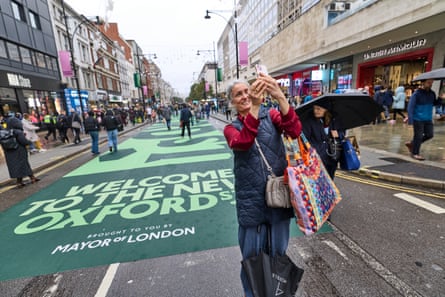
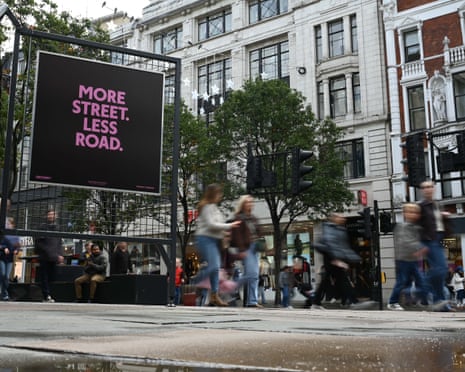
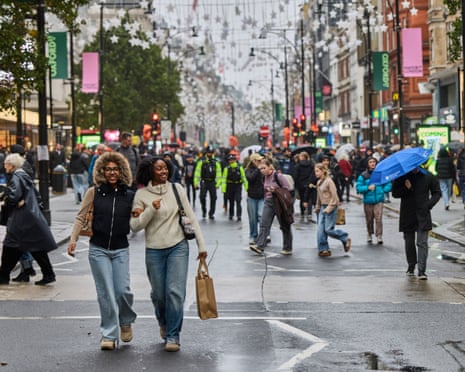
On October 26 the Greater London Authority closed almost a kilometre of Oxford Street – the stretch between Orchard Street and Great Portland Street – to all motorised traffic, including buses, cars, taxis, e-scooters and cycles. Temporary bollards and green signage mark the first phase of a multi-year regeneration scheme that aims to create a fully pedestrianised West End by the end of 2027-2028.
Watch
Related reporting
youtube
London's Oxford Street partly pedestrianised after years of wrangling
02
Background & Context
Oxford Street’s decline has been linked to high rents, a chaotic business-rates system and the replacement of many small retailers with large flagship stores. Earlier attempts to pedestrianise the street faltered: a 2017 mayoral pledge was abandoned in 2018 after Westminster Council claimed resident opposition. Mayor Sadiq Khan created the Oxford Street Development Corporation, shifting responsibility to the Greater London Authority (GLA) and Transport for London (TfL).
Visual evidence
Images from the story

03
Official Statements & Responses
Mayor Sadiq Khan called the launch “a momentous day” and framed the scheme as a “proof of concept”. Claire Mann, chief operating officer of TfL, said “plenty of capacity for passengers” remains despite bus diversions.
Councillor Tim Barnes (deputy leader, City of Westminster) warned that the consultation process had been “one-way” and that economic benefits were “overstated” because displaced bus routes could strain surrounding streets.
TfL’s spokesperson reiterated the new rules:
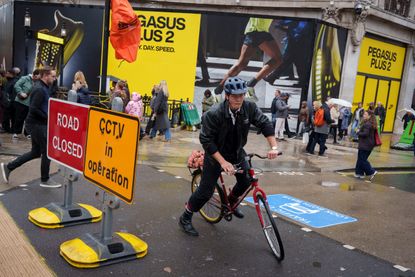
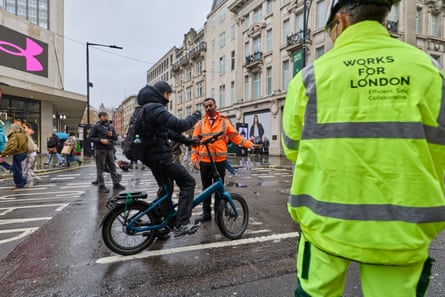
- “No cycles, e-scooters or pedicabs are allowed on Oxford Street between Orchard Street and Great Portland Street and riders are obliged to follow the rules of the road.”
- “We will continue to monitor this closely and take any further action as necessary.”
04
On-the-Ground Reports
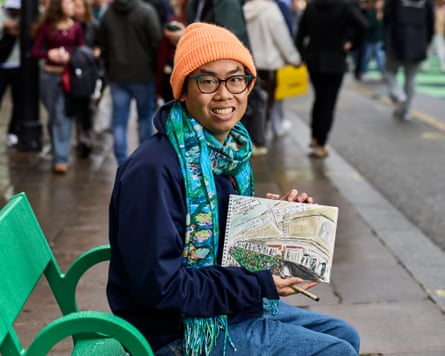
- Muneera Alfadhel, biology teacher, described the scene as “magical” and praised cleaner air.
- Daniel Te, recent US transplant, said the new space makes him “more inclined to come”.
- Raquel Cox, holidaying from Ireland, said the pedestrian street offers a “better experience” despite busier side streets.
05
Conflicting Reports & Gaps
Footfall trends are presented in two ways: a 13.5 % increase during a 2019 protest versus a current level at 57 % of 2006. Both figures are accurate for different periods, but the long-term impact remains unmeasured. Economic projections are based on GLA modelling; no independent post-implementation audit is yet available.
06
What’s Next
The Oxford Street Development Corporation will monitor sales, footfall and traffic patterns over the coming months, with an interim review slated for early 2027. Enforcement officers can issue Penalty Charge Notices to vehicles entering the restricted zone. Full conversion of the entire 1.2-mile stretch to a permanent pedestrian zone is expected by the end of next year, positioning the project as one of Mayor Sadiq Khan’s final major initiatives before the 2028 mayoral election.