
Full Breakdown
Trump’s Russian Diesel Waiver: Legal, Economic and Political Fallout
By Drooid · · How we work
In this breakdown
01
Core Event – Trump authorizes Russian diesel imports
On October 9 President Donald Trump directed the Treasury’s Office of Foreign Assets Control (OFAC) to issue General License 135, a six-month waiver that temporarily lifts sanctions on Russian-origin diesel imports through April 7 2027.
02
Background & Context
U.S. sanctions enacted by the 2022 Ending Importation of Russian Oil Act prohibit imports of Russian energy products unless the president certifies that Russia has ceased hostilities in Ukraine and poses no NATO threat. Earlier in the year, the administration also eased restrictions on Iranian oil under a short-lived general license. The diesel waiver follows a broader pattern of “pivot to Russia” measures, including pressure on Kyiv to limit strikes on Russian refineries and diplomatic overtures such as welcoming Russian Foreign Minister Sergey Lavrov to a G-20 meeting in Atlanta.
Visual evidence
Images from the story
03
Data & Statistics
- Volume: The waiver covers roughly 150,000 bpd for three months, less than 4 % of U.S. daily diesel consumption.
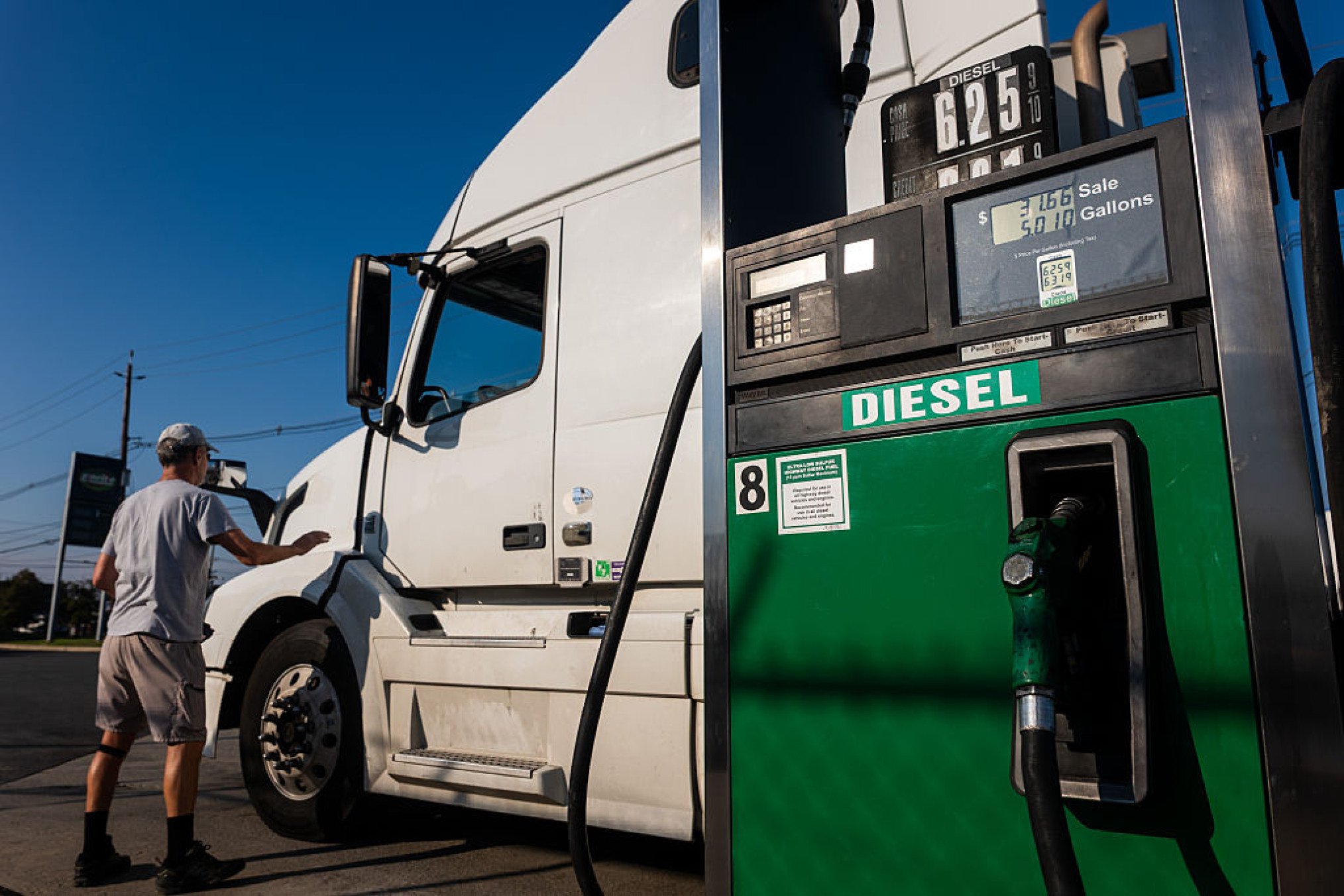
- Price movement: Diesel averaged $6.35 per gallon on Oct 28, up from $6.28 when the waiver was announced (Wall Street Journal). Earlier in the year diesel had been below $3.90 until the Iran conflict began in late February.
- Shipments: The first cargo, exceeding 300,000 metric tons, left the Russian port of Primorsk. Two vessels—Talisman and Leruo—face docking restrictions.
- Russian output: Russian diesel production fell about 30 % after intensified Ukrainian strikes; the country is expected to ship roughly 100,000 bpd in October and 125,000 bpd in November, far below its 2025 level of 800,000 bpd.
04
Official Statements & Responses
- Ukrainian President Volodymyr Zelenskyy rejected claims that Ukrainian strikes were raising U.S. diesel prices, attributing the surge to the Middle-East conflict.
- A bipartisan group of lawmakers—including Senators Jeanne Shaheen, Ron Wyden, Sheldon Whitehouse, Chris Coons, Elizabeth Warren, and Representative Gregory Meeks—sent letters to banks and port authorities warning that importing Russian diesel could violate federal law and expose companies to civil and criminal liability.
05
Criticism & Opposition
- Analysts at the Institute for the Study of War and the Carnegie Russia Eurasia Center argued the arrangement benefits Moscow’s war chest while offering negligible relief to U.S. consumers.
- Legal experts said the waiver conflicts with the statutory requirements of the 2022 Oil Act and the Countering America’s Adversaries Through Sanctions Act, which require congressional review for major licensing actions.
06
On-the-Ground Reports
- Data from the U.S. Energy Information Administration show that the steep rise in diesel prices coincided with the start of the Iran war, not with Ukrainian strikes on Russian refineries.
- Russian Deputy Foreign Minister Georgy Borisenko indicated that market stability depends on a rapid de-escalation of the Persian Gulf situation.
07
Conflicting Reports & Gaps
- Some analysts (Goldman Sachs) project a modest $1-$2 per barrel reduction in U.S. Gulf-Coast wholesale diesel prices, while the Wall Street Journal reported a price increase after the waiver’s announcement.
- No publicly confirmed unloading of Russian diesel at a U.S. port has been documented, leaving the actual flow of fuel uncertain.
08
What’s Next
General License 135 remains active until April 7 2027, but congressional scrutiny is expected to intensify after the November midterms. Lawmakers have asked companies to confirm by Oct 28 that they have preserved records of any diesel-related transactions, and further legal challenges are likely as the administration’s authority to override the 2022 Oil Act continues to be contested.