
Full Breakdown
Estonia’s Prime Minister Refuses to Temper Rhetoric on Russia Amid Reported U.S. Request
By Drooid · · How we work
In this breakdown
01
Core Event – October 30
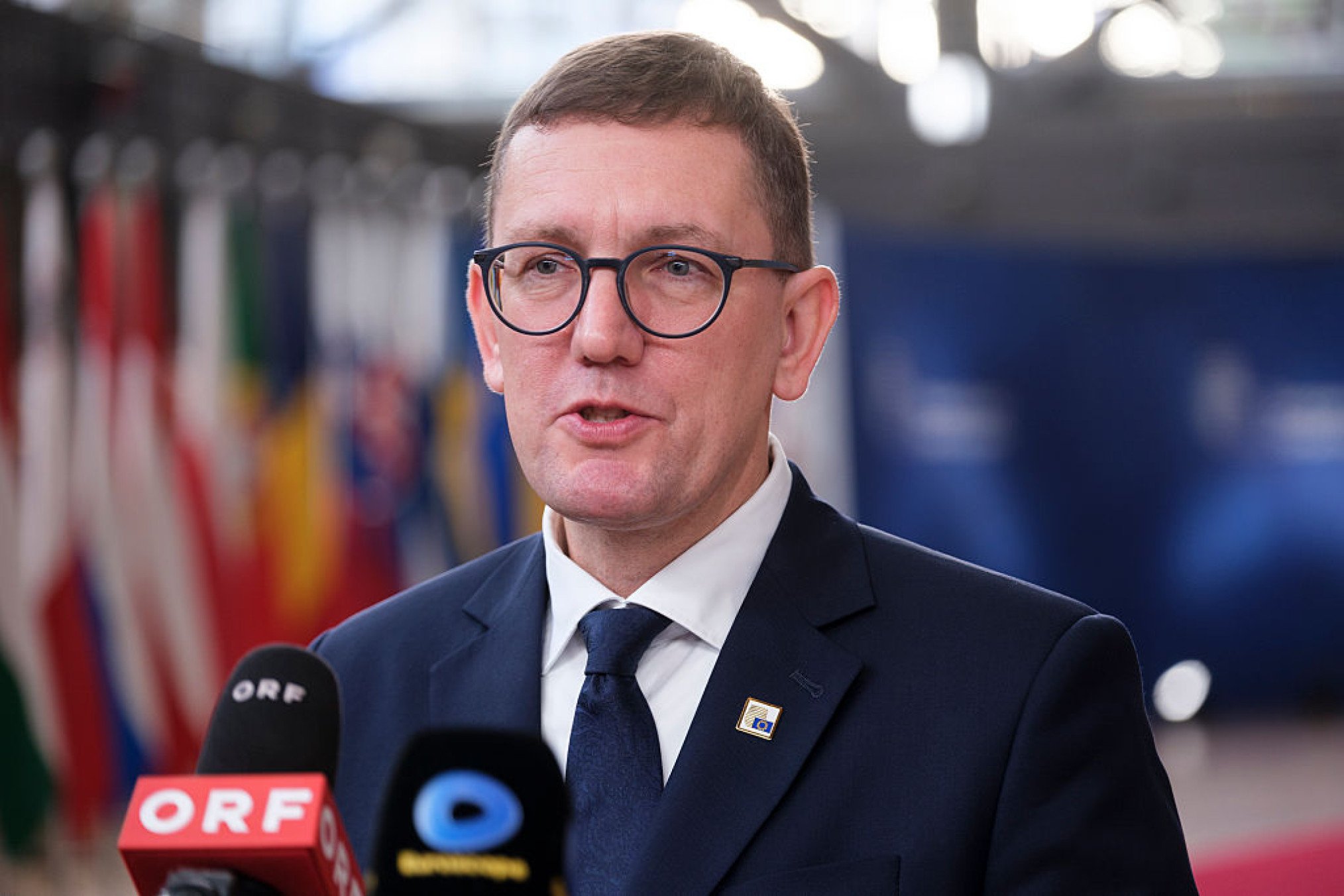
On October 30, Estonian Prime Minister Kristen Michal told *Delfi* that Estonia would continue to describe Russia and President Vladimir Putin in stark terms. He rejected reports that the U.S. Department of Defense had asked Baltic allies to soften such language, saying no U.S. official had personally approached him.
02
Background & Context
The comments followed a Reuters report that Pentagon officials, including policy chief Elbridge Colby, had privately urged Estonia, Latvia and Lithuania to moderate statements portraying Moscow as “cornered.” NATO and the Pentagon declined comment. Estonia, a NATO member since 2004, regularly emphasizes a clear threat assessment as the war in Ukraine enters its second year.
Visual evidence
Images from the story


03
Data & Statistics
- Estonia allocates nearly 7 % of its GDP to defense spending, a figure Michal cited as part of the nation’s contribution to NATO’s eastern flank.
- In July, President Volodymyr Zelensky and Michal signed a “Drone Deal” at a NATO summit in Ankara, underscoring material support for Ukraine.
04
Official Statements & Responses
- Kristen Michal said “an adequate threat assessment—and calling a wolf a wolf, not a little forest dog—is a prerequisite for preparedness.”
- The Estonian Defense Ministry declined comment on the Reuters report, noting it was based on anonymous sources.
- The U.S. Department of Defense and NATO also declined to discuss the alleged request.
05
Verbatim Quotes
- “Appeasing dictators brings only humiliation, and freedom is lost anyway,” — Kristen Michal
- “I am not going to hold back—the Russian leader, Vladimir Putin, is a dictator who kills women and children,” — Kristen Michal
06
Conflicting Reports & Gaps
Sources differ on the Pentagon’s concerns. Reuters cited unnamed officials who said the request was made in recent weeks, while another report mentioned a remark describing Putin as “a rat in the corner.” The Defense Ministry’s refusal to comment leaves the authenticity of the alleged request unverified.
07
Why It Matters
Michal’s refusal to dilute language reflects a debate in the West over deterrence versus diplomatic messaging. Estonia’s stance signals to NATO that Baltic members will maintain a hardline posture, influencing alliance cohesion and U.S.–European security coordination.
08
What’s Next
No specific future events were announced, but discussions within NATO and between the United States and Baltic states are expected to continue as the alliance assesses the security environment in Eastern Europe and its communication strategy toward Russia.