
Full Breakdown
Trump Administration Presses Lithuania to Reopen Klaipeda Port for Belarusian Potash
By Drooid · · How we work
In this breakdown
01
Core Event
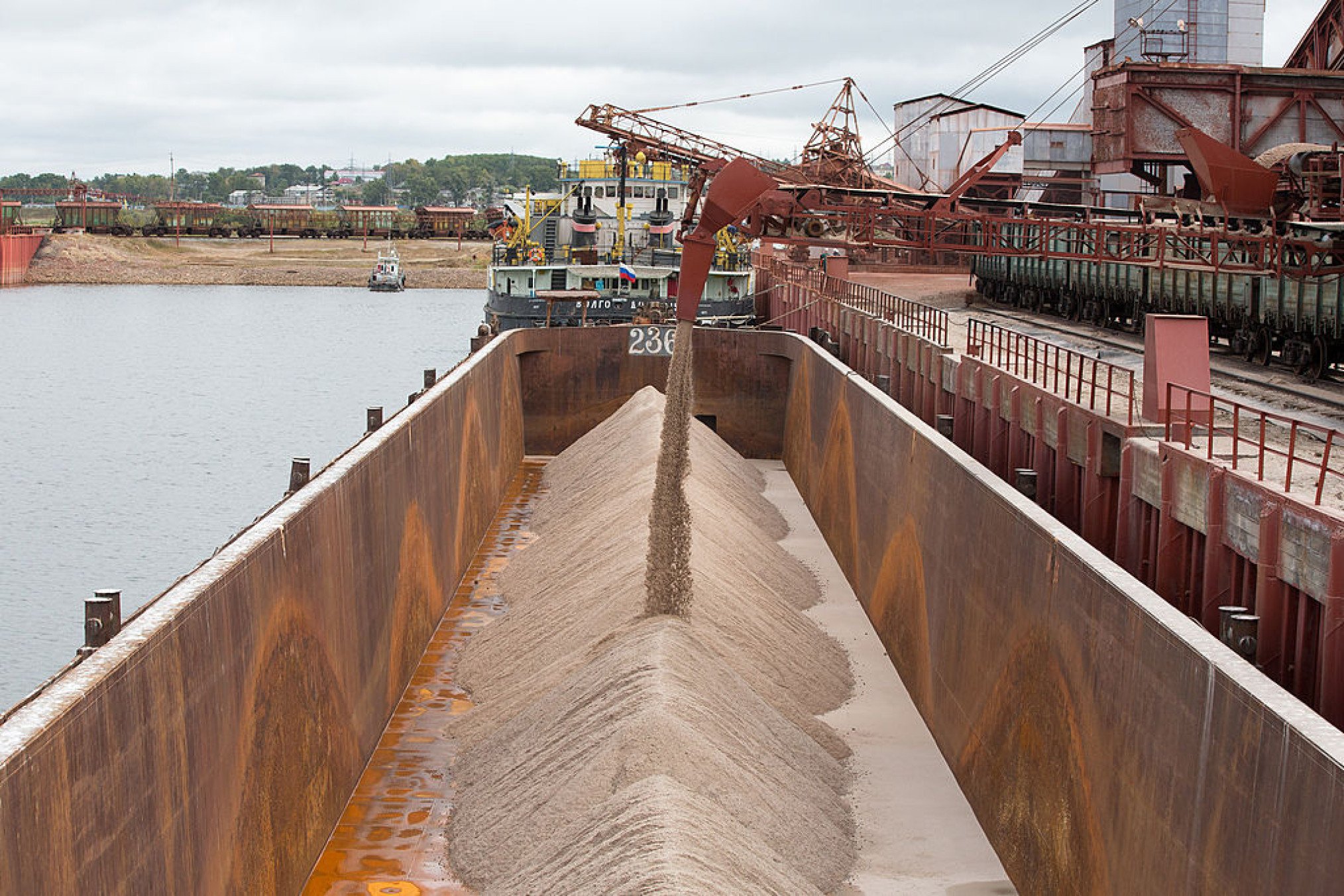
On October 29, the Trump administration intensified efforts to persuade Lithuania to allow Belarusian potash shipments through the Baltic Sea port of Klaipeda, despite EU sanctions that bar Belarusian goods from EU ports. U.S. special envoy for Belarus John Coale has been contacting Lithuanian officials for weeks, seeking a commercial pathway that would let American farmers purchase the fertilizer ingredient at lower prices than those offered by Canadian suppliers.
02
Background & Context
EU sanctions on Belarus were first imposed after the 2020 presidential election and tightened after Belarus assisted Russia during the 2022 invasion of Ukraine. The sanctions require a unanimous decision by all 27 EU member states to lift the ban on Belarusian potash, which previously moved through Klaipeda for about 90 % of its exports.
In March 2024, the United States began easing some of its own sanctions on Belarus, including restrictions on the state-run Belarusian Potash Company, linking the relief to the release of 250 political prisoners negotiated by Coale.
Visual evidence
Images from the story
03
Data & Statistics
- Belarus controls roughly 20 % of the global potash market.
- The United States imports nearly all of its potash, with about 80 % supplied by Canada.
04
Official Statements & Responses
- President Donald Trump said the United States is working on a “massive deal” with Minsk to purchase potash at prices lower than those paid to Canadian firms, contingent on access to Klaipeda or another Baltic port.
- He also highlighted Belarus’s recent “constructive engagement” with the United States following the prisoner-release negotiation.
05
Criticism & Opposition
- An Eastern European official warned that easing sanctions could bolster President Alexander Lukashenko’s standing and give his regime more leeway to continue repressing opponents.
- A European official expressed doubt about the existence of a viable global market for Belarusian potash, noting Canada’s dominant position and the potential divisiveness of the issue within Lithuania’s domestic politics.
06
Why It Matters
If successful, the arrangement could reduce U.S. fertilizer costs and lessen reliance on Canadian imports. European officials argue that permitting Belarusian potash shipments could legitimize Lukashenko’s government, undermine EU solidarity on sanctions, and risk further entanglement of Belarus in Russia’s war against Ukraine.
07
Timeline
- March 2024 – U.S. eases selected sanctions on Belarus, including on the Belarusian Potash Company.
- October 29 2024 – U.S. pressure on Lithuania intensifies, as reported.
- February 2025 (projected) – EU sanctions on Belarusian potash are due for renewal; Lithuania, as rotating EU presidency beginning in 2027, could influence the decision.
- 2027 – Lithuania assumes the EU rotating presidency, giving it theoretical veto power over the next sanction extension.
08
Conflicting Reports & Gaps
- European officials question whether there is a “truly global market” for Belarusian potash, given Canada’s dominance, while the U.S. administration presents the deal as a solution to rising fertilizer prices. No concrete market analysis is provided in the sources.
- The EU’s requirement for unanimous reversal of the potash ban creates uncertainty about the feasibility of any unilateral Lithuanian decision, a procedural detail not fully addressed by U.S. statements.