
Full Breakdown
Maine Senate Race: Healthcare, Medicaid Cuts, and Heating-Oil Costs Shape Voters’ Decision
By Drooid · · How we work
In this breakdown
01
Core Event
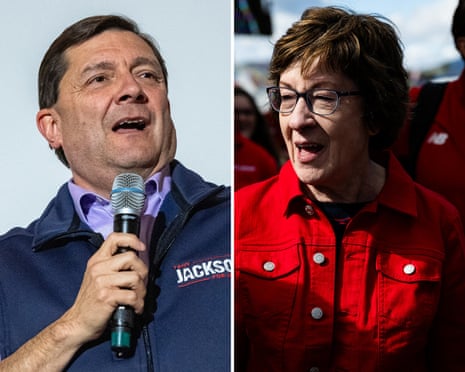
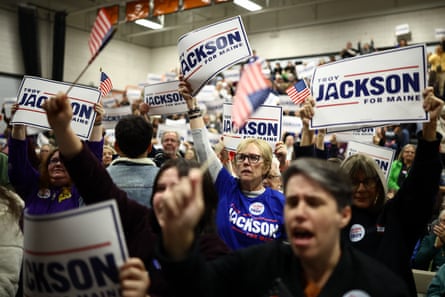
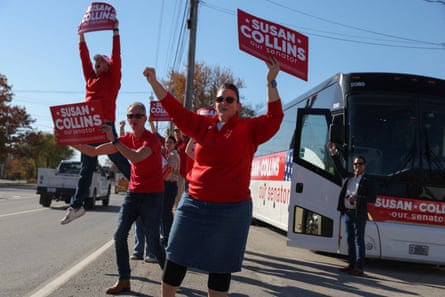
Maine voters will choose their U.S. senator on November 3. Incumbent Republican Sen. Susan Collins, chair of the Senate Appropriations Committee, faces Democratic challenger Troy Jackson, former state Senate president. Health-care policy and heating-oil prices dominate campaign discourse.
02
Background & Context
Maine’s health-care system has been under strain. In the past decade, 11 of the state’s 23 maternity wards have closed, and a birthing unit in Damariscotta is slated to shut in December. The One Big Beautiful Bill Act (OBBBA), set for 2025, would tighten Medicaid work requirements and could strip about 29,000 Mainers of MaineCare coverage, according to the Maine Center for Economic Policy.
The U.S.–Iran war that began in February 2026 has disrupted the Strait of Hormuz, affecting global oil shipments. Maine’s Department of Energy Resources reported the average statewide heating-oil price rose to $6.05 per gallon as of October 26, up from $6.02 in September. Roughly half of Mainers rely on heating oil for winter warmth, making the surge a decisive issue.
Visual evidence
Images from the story
03
Data & Statistics
- Maternity-ward closures: 11 of 23 in ten years.
- Potential MaineCare losses: ~29,000 people.
- Heating-oil price: $6.05 / gallon (Oct 26).
- Polling (Oct 8-26): Jackson leads 49 % to Collins’ 45-47 %; margin of error ±4.4 %-±6.6 %.
- Prediction-market odds: 68-69 % chance of a Jackson victory.
04
Official Statements & Responses
Collins highlights her seniority and ability to direct federal dollars, noting she has secured about $1.5 billion for Maine since 2021 and earmarked $1.1 million for public-safety improvements in Winthrop. She opposed the final OBBBA but voted for a procedural motion that let the bill reach the Senate floor and proposed a “special fund” for rural hospitals.
Jackson frames Collins as an enabler of Trump-era policies, arguing the OBBBA’s work-requirement provisions will worsen health-care insecurity. He links the heating-oil crisis to the war in Iran and positions himself as the candidate who will protect working families from rising energy costs.
05
Criticism & Opposition
Jackson’s campaign attacks Collins for her procedural support of the OBBBA, asserting she could have blocked the Medicaid cuts.
06
On-the-Ground Reports
Local residents describe the impact of rising fuel costs. Fisher Christian LaMontagne says his weekly fuel expense doubled from $350 to nearly $700, forcing him to increase lobster catches. Retired principal Cheryl Clukey reports a single oil fill of 131 gallons costing $729, which she calls “scary.” Union organizer Andy O’Brien, Maine AFL-CIO communications director, says heating-oil affordability is the top concern heard during canvassing.
07
Conflicting Reports & Gaps
Polling consistently shows Jackson ahead, but margins differ, leaving the exact size of his lead uncertain. The Maine Center for Economic Policy’s estimate of 29,000 potential MaineCare losses is the only quantitative projection; no official state figure has been released.
08
What’s Next
Maine voters will decide the Senate seat on November 3. If Collins retains the seat and Democrats gain control of the chamber, she is projected to become vice chair of the Appropriations Committee, preserving her capacity to channel federal resources to Maine. The outcome will determine whether the state’s health-care and energy policies are shaped by a senior Republican with established federal ties or a progressive Democrat promising Medicaid reforms and action on energy costs.