
Full Breakdown
Elon Musk’s Billion-Dollar Midterm Spending, Democratic Push to Close the “Musk Loophole,” and the Political Fallout
By Drooid · · How we work
In this breakdown
01
Core Event
Elon Musk, the world’s richest individual, has poured unprecedented sums of personal wealth into Republican-aligned political activity ahead of the 2026 U.S. midterm elections. The spending is intended to keep a Republican majority in the Senate and to avert what Musk describes as a future “permanent one-party state.”
02
Background & Context
Musk’s political involvement has intensified after years of low-profile commentary. This cycle he has become the single largest donor to the Republican Party, warning that a Democratic sweep could reshape the nation’s political architecture.
Visual evidence
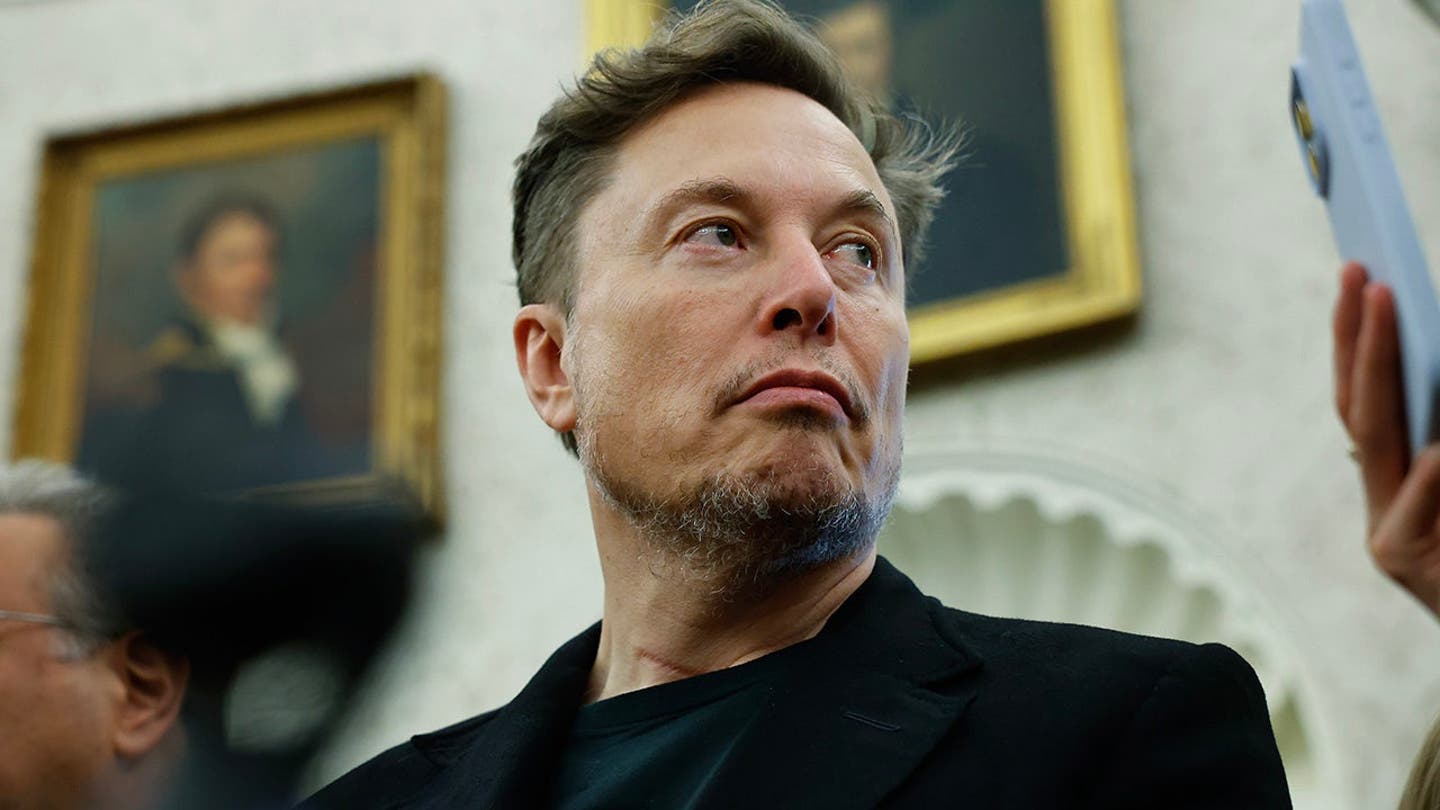
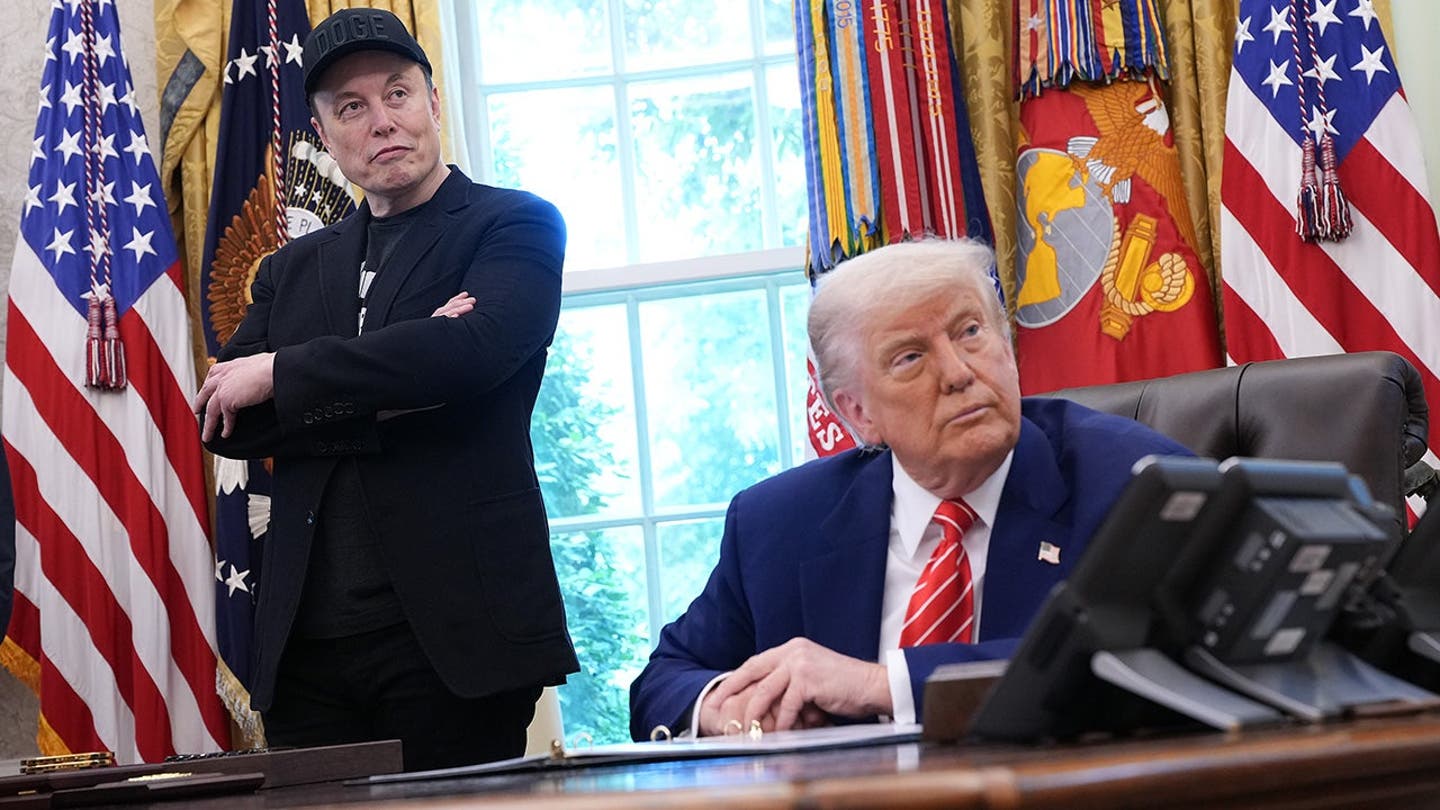
Images from the story

03
Data & Statistics
- The New York Times estimates Musk has donated nearly $475 million to Republican causes.
- Fox News reports $276 million was contributed to Republican super PACs in the three months before the midterms, including $158 million to the Senate Leadership Fund.
- The Washington Sun states Musk has given $446 million to Republican candidates and aligned groups.
These figures illustrate a range of reported totals that differ across outlets.
04
Official Statements & Responses
Musk used X to argue that a Democratic sweep in 2028 would enable policy moves such as granting statehood to Washington, D.C., and Puerto Rico, legalizing undocumented immigrants, and expanding the Supreme Court. He framed these outcomes as threats to democratic competition and urged voters to elect Republican senators.
Senator Chris Van Hollen (D-Maryland) and Representative Robert Garcia (D-California) have introduced legislation to close the “Elon Musk loophole.” The bill would extend campaign-finance prohibitions that apply to federal contractors to include executives, major shareholders and affiliated corporations, thereby preventing Musk’s companies from indirectly funneling money into elections. Van Hollen says the measure would address “clear political corruption” without a constitutional amendment.
05
Criticism & Opposition
Texas Senate candidate James Talarico (D) charged that Musk is “almost single-handedly bankrolling” efforts to install Ken Paxton, labeling the tactic as an attempt to “buy” a Senate seat.
06
Conflicting Reports & Gaps
The donation totals vary: the New York Times cites nearly $475 million, Fox News notes $276 million over three months, and the Washington Sun tallies $446 million overall. Sources do not reconcile these differences, leaving the precise amount ambiguous. While Musk’s warnings focus on specific Democratic proposals, no Democratic officials have publicly confirmed plans to enact the cited measures.
07
Verbatim Quotes
- “This would result in America becoming a permanent one-party state and the end of democracy in any meaningful sense of the word,” — Elon Musk
- “That is why you should vote for Republican senators this election,” — Elon Musk
- “Elon Musk is flooding the midterms with money to help Trump,” — Hillary Clinton
- “If you ask the normal person on the street whether it reeks of corruption for a CEO or big corporate shareholder to spend boatloads of money to elect members of Congress who will then ratify billion-dollar federal contracts, I think almost every person would say that stinks,” — Chris Van Hollen
08
What’s Next
Van Hollen’s bill is slated for introduction next month. If Democrats capture one or both chambers, they may pursue the legislation despite Republican control of the current Congress. The proposal would require congressional approval and a presidential signature; a potential Trump administration could block enactment. Meanwhile, Musk continues to use X to promote his messaging and criticize opponents such as Talarico. The interplay between massive private campaign spending and forthcoming campaign-finance reforms remains a focal point of the 2026 election cycle.