
Full Breakdown
Nordic Leaders Call Putin: A Direct Diplomatic Push Amid Stalled Ukraine Peace Efforts
By Drooid · · How we work
In this breakdown
01
Core Event
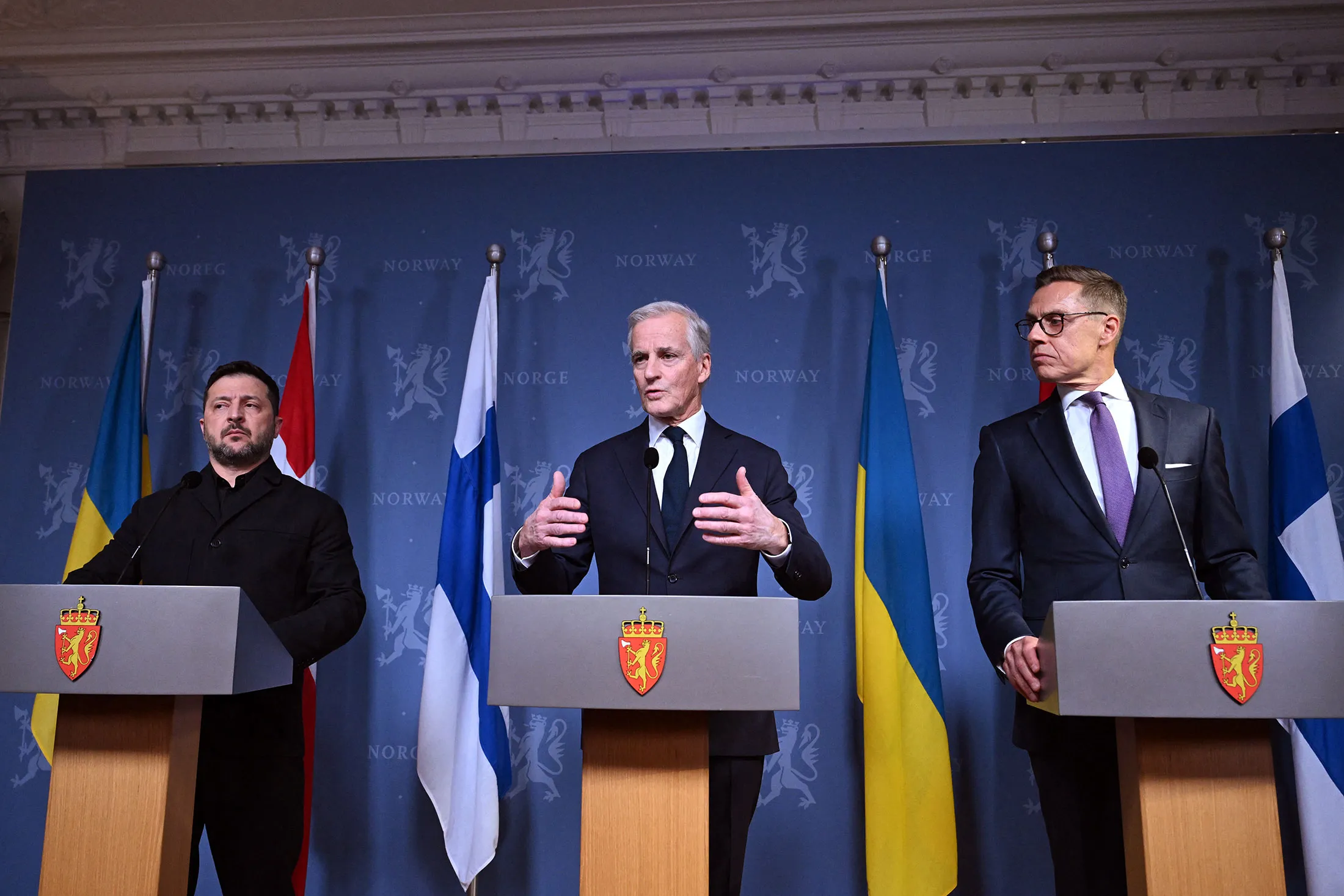
- On October 27 Finnish President Alexander Stubb and Norwegian Prime Minister Jonas Gahr Støre held a 90-minute phone call with Russian President Vladimir Putin from Helsinki. The leaders said the aim was to convey messages directly to Moscow about future negotiations and to stress de-escalation, emphasizing their countries’ bordering position and the war’s impact on European security.
Watch
Related reporting
ddhq
What to know about Flydubai cockpit clash as pilot is arrested
ddhq
What to know about Flydubai cockpit clash as pilot is arrested
brightcove
Norway and Finland hold rare phone call with Putin: What that means
02
Background & Context
- The call followed a meeting in Oslo on October 20 that brought together Ukrainian President Volodymyr Zelenskyy, U.S. special envoy Steve Witkoff, and the two Nordic leaders. That Oslo discussion was intended to shape a joint agenda for upcoming trilateral talks in Abu Dhabi (planned for November). Direct contact with Putin is rare; the last European head of state to speak with him publicly was the French president the previous year.
Visual evidence
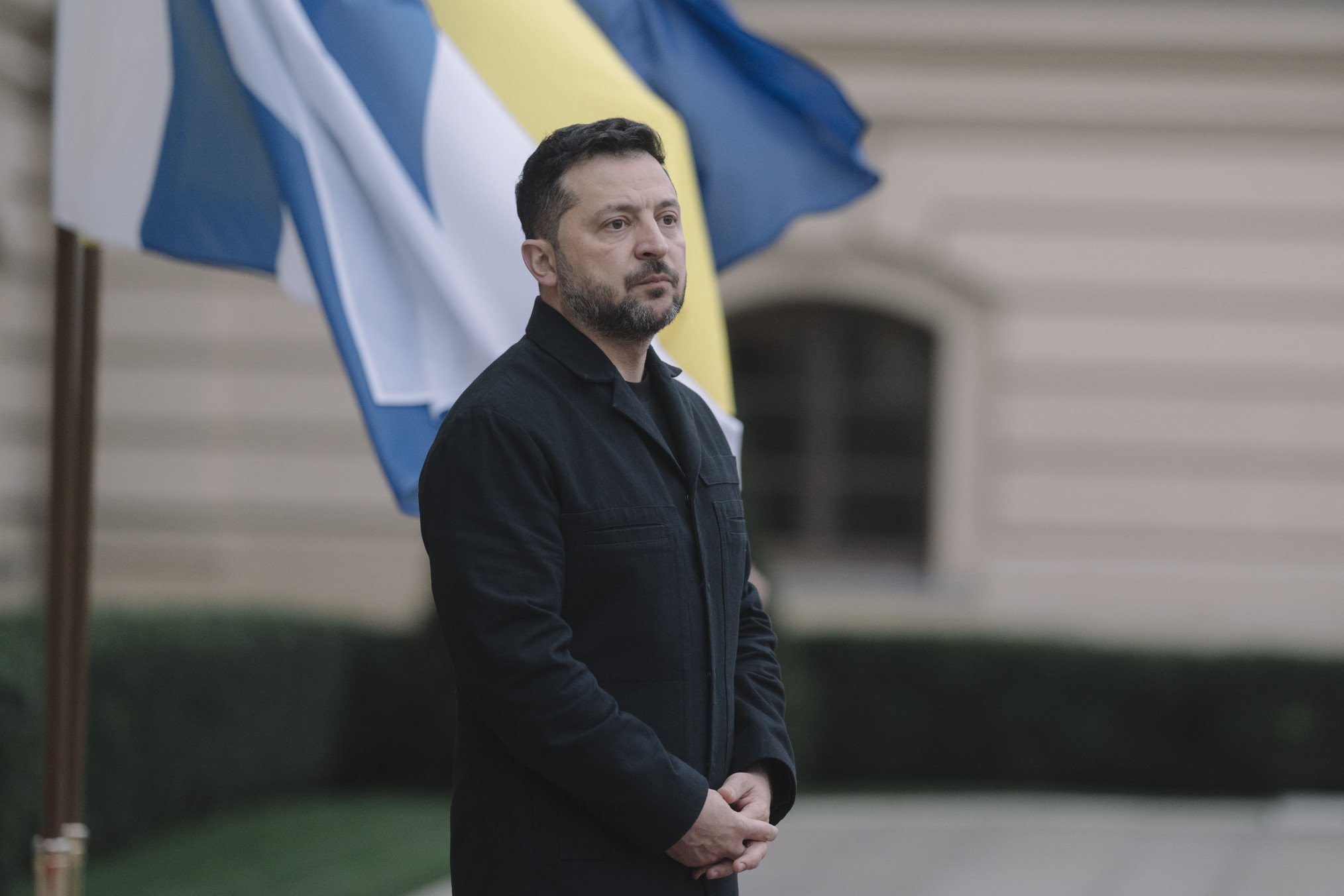
Images from the story



03
Timeline
- October 20 (occurred): Oslo meeting with Zelenskyy and U.S. envoy.
- October 27 (occurred): Finland-Norway call with Putin.
- October 28 (scheduled): Zelenskyy to disclose details of the call.
- October 21 (occurred): Reports of European governments considering a single EU representative for talks with Moscow.
04
Official Statements & Responses
- Støre added that the leaders “stressed the importance of de-escalation” and reiterated “unwavering support for Ukraine.” Both said they acted in their individual capacities, not as representatives of the EU.
- Mette Frederiksen (Denmark), Ulf Kristersson (Sweden) and Margus Tsahkna (Estonia) publicly questioned the initiative, warning that Europe must remain united and maintain pressure on Russia.
05
Criticism & Opposition
- Kristersson expressed “low expectations” for the conversation and argued that peace must come through “strength, not appeasement.”
06
Conflicting Reports & Gaps
- The Financial Times reported that Putin spent most of the 90-minute call lecturing on medieval Slavic history, with little discussion of an immediate ceasefire. Støre rejected that account, insisting the conversation was evenly divided among participants.
- Some sources described the call as lasting 30 minutes, while the leaders’ offices and most reports state it extended to 90 minutes. The exact content of the discussion beyond the public statements remains unclear.
07
Verbatim Quotes
- “The discussion (with Putin) was frank and substantive. We are neighbouring countries to Russia. The outcome of this war will have a direct impact on our and the broader European security. Ending the war requires direct discussions,” — Alexander Stubb, finland's president
- “We've not set out to speak on behalf of anyone other than ourselves,” — Jonas Gahr Støre, norwegian prime minister
- “A fair long-term peace settlement is possible only if Russia's legal interests are taken into account fully and unconditionally” — Vladimir Putin, called russian president
- “The war comes with enormous human and material costs. The suffering and destruction will impact generations. In the call we stressed the importance of de-escalation.” — Stoere. The Norwegian
- “I know that criticism was later directed at them, but it is not for us to judge whether this [the call] is right or wrong. I believe it is right,” — Vladimir Putin, called russian president
08
What’s Next
- The leaders said they will maintain “direct phone contacts” with Moscow and will brief other European partners ahead of the planned trilateral talks in Abu Dhabi in November.