
Full Breakdown
The End of Daylight Saving Time and the Push to Make It Permanent
By Drooid · · How we work
In this breakdown
01
The Upcoming Time Change
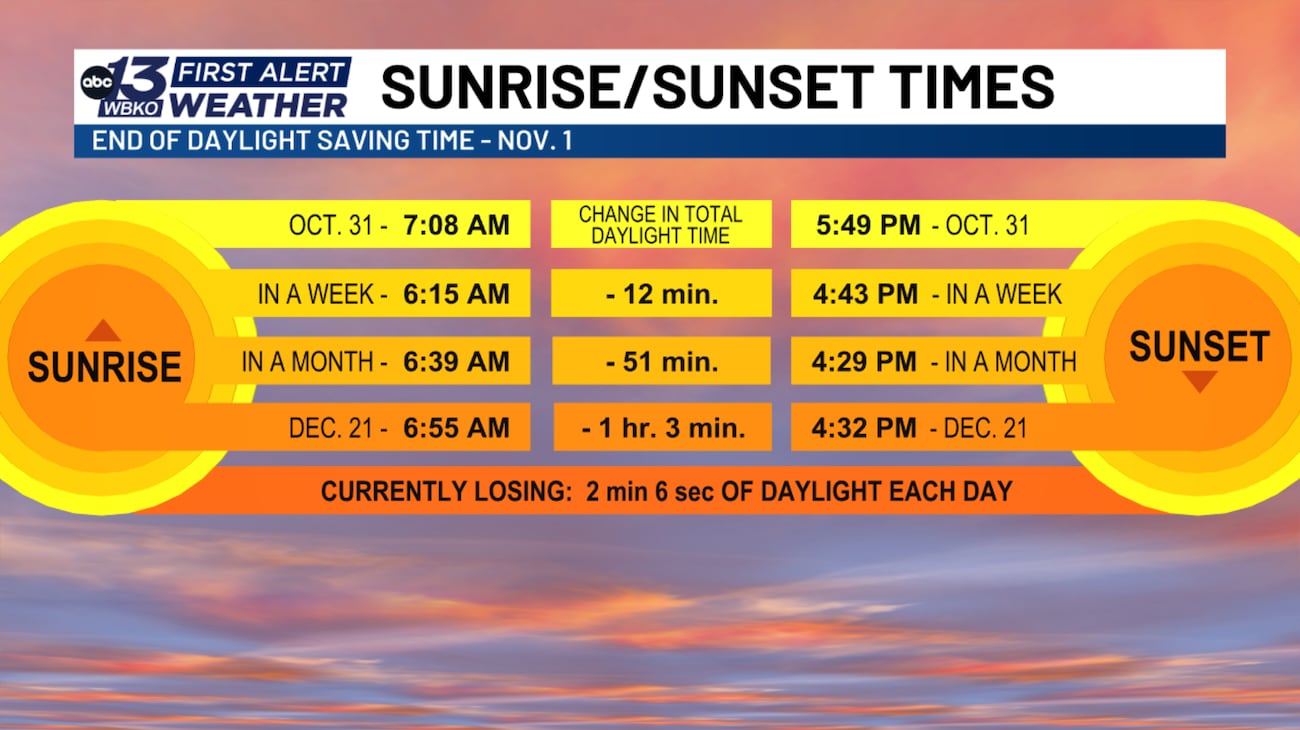
On November 1 2026 at 2 a.m. local time, clocks across most of the United States will be set back one hour to 1 a.m., ending the eight-month daylight-saving period and returning the nation to standard time. The shift adds an extra hour of sleep for many Americans but also moves sunrise and sunset an hour earlier, producing darker evenings throughout the fall and winter.
02
Historical and Legislative Background
Daylight saving time (DST) was first adopted in the United States in 1918 as a wartime energy-conservation measure. The Uniform Time Act of 1966 established a nationwide schedule—second Sunday in March to the first Sunday in November—and allowed states to opt out. In 2005 Congress extended the DST season by four weeks through an energy bill, creating the current March-to-November window.
Since 2018, 19 states have passed legislation that would make DST permanent if federal law permits it. The U.S. House approved the Sunshine Protection Act on July 14, but the measure has stalled in the Senate, which has not scheduled a floor vote.
Visual evidence
Images from the story


03
Data and Statistics
- 19 states have enacted permanent-DST laws pending congressional approval.
- Hawaii and most of Arizona (except the Navajo Nation) do not observe DST; U.S. territories also remain on standard time year-round.
- Polls show a majority favor ending the biannual change: a 2023 YouGov survey found 62 % support, while a January 2025 Gallup poll reported 54 %.
04
Official Statements & Responses
President Donald Trump has urged Congress to pass the Sunshine Protection Act, arguing that “people are sick and tired of having to change their clocks twice a year.” Senate leadership has not advanced the bill, and several Republican senators have voiced concerns about winter darkness.
Senator Tom Cotton (R-Ark.) warned that permanent DST would produce problems, while South Dakota Senator Mike Rounds said, “You’d be sending kids to school in the dark.”
Democratic Senator Ed Markey (D-Mass.) also criticized the biannual shift.
05
Health and Safety Perspectives
Pediatric sleep specialist Dr. William Wooten notes that “your biologic clock doesn’t change overnight even though the clocks change overnight,” urging families to use the extra hour to shift bedtime earlier. Alzheimer’s Association representative Beth Sulkowski warned that abrupt light-cycle changes can exacerbate circadian disruptions for dementia patients.
The National Highway Traffic Safety Administration and AAA advise drivers to reduce speed and stay alert during earlier evening darkness, while fire officials recommend using the time change as a reminder to test smoke and carbon-monoxide alarms.
06
Conflicting Reports & Gaps
Poll data differ: the YouGov survey (62 % favoring an end) contrasts with the Gallup poll (54 %). No Senate timetable has been disclosed, leaving the fate of the Sunshine Protection Act uncertain. While many states have passed permanent-DST statutes, they remain ineffective without federal action, creating a legal gap between state intent and national implementation.