
Full Breakdown
Trump Administration’s Attempt to Segregate 20,000 California Mail Ballots Rejected by Courts
By Drooid · · How we work
In this breakdown
01
Core Event
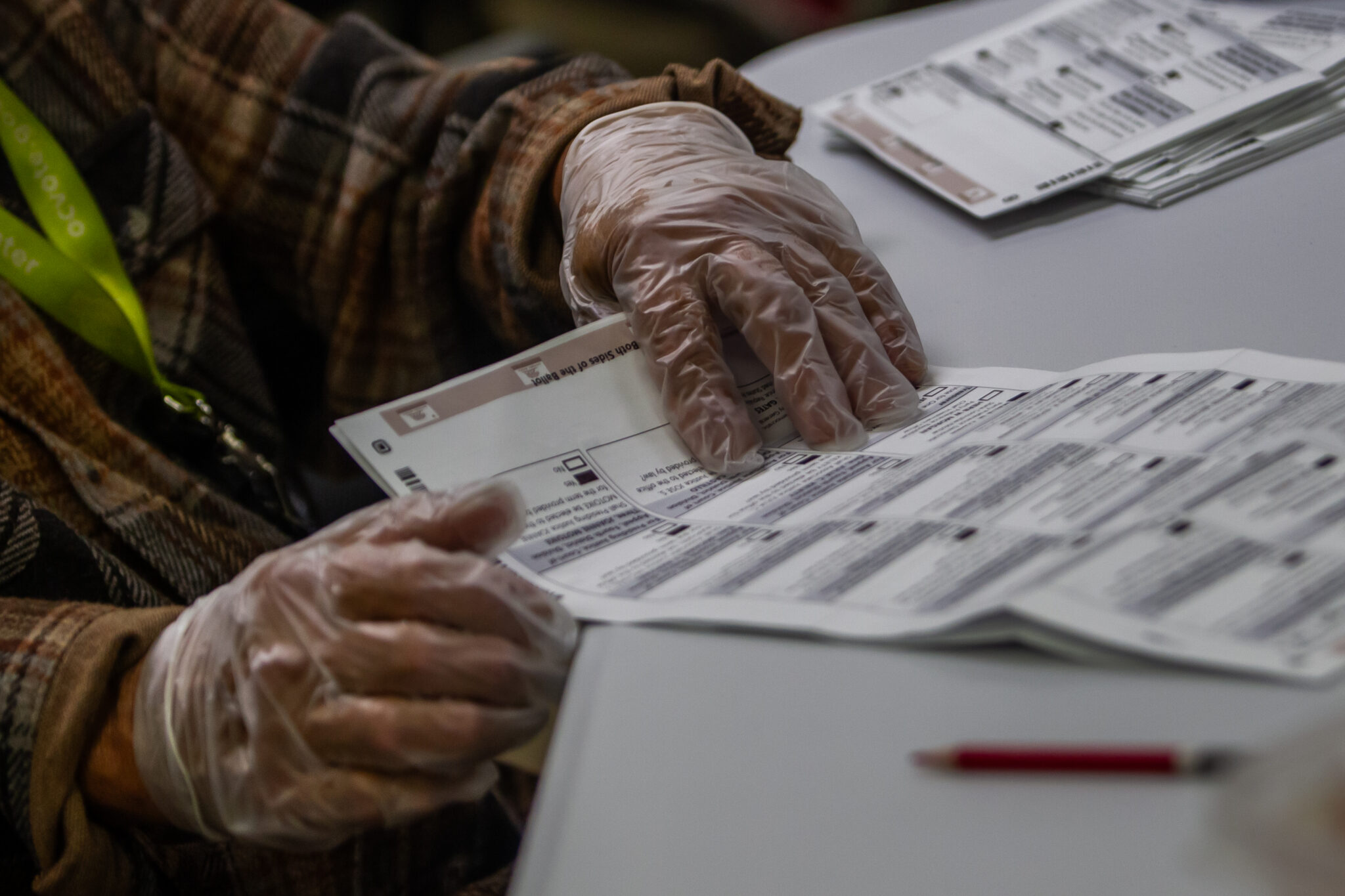
The Justice Department sued California on October 15 alleging that roughly 20,000 registered voters were “likely non-citizens” who had received mail-in ballots for the upcoming midterms. It asked U.S. District Judge David O. Carter for a temporary restraining order to set aside those ballots until citizenship could be verified. On October 28, 2026, Judge Carter denied the request, calling the evidence “vague” and warning that segregation would “wreak havoc” on an election already underway. The same day a three-judge Ninth Circuit panel voted 2-1 to dismiss the administration’s appeal, noting the district court had not yet ruled and the government had not been given adequate time to argue.
Watch
Related reporting
cbsnews
Video: Former election official weighs in on DOJ suit trying to force California to set aside ballots
ddhq
What to know about Flydubai cockpit clash as pilot is arrested
ddhq
What to know about Flydubai cockpit clash as pilot is arrested
02
Background & Context
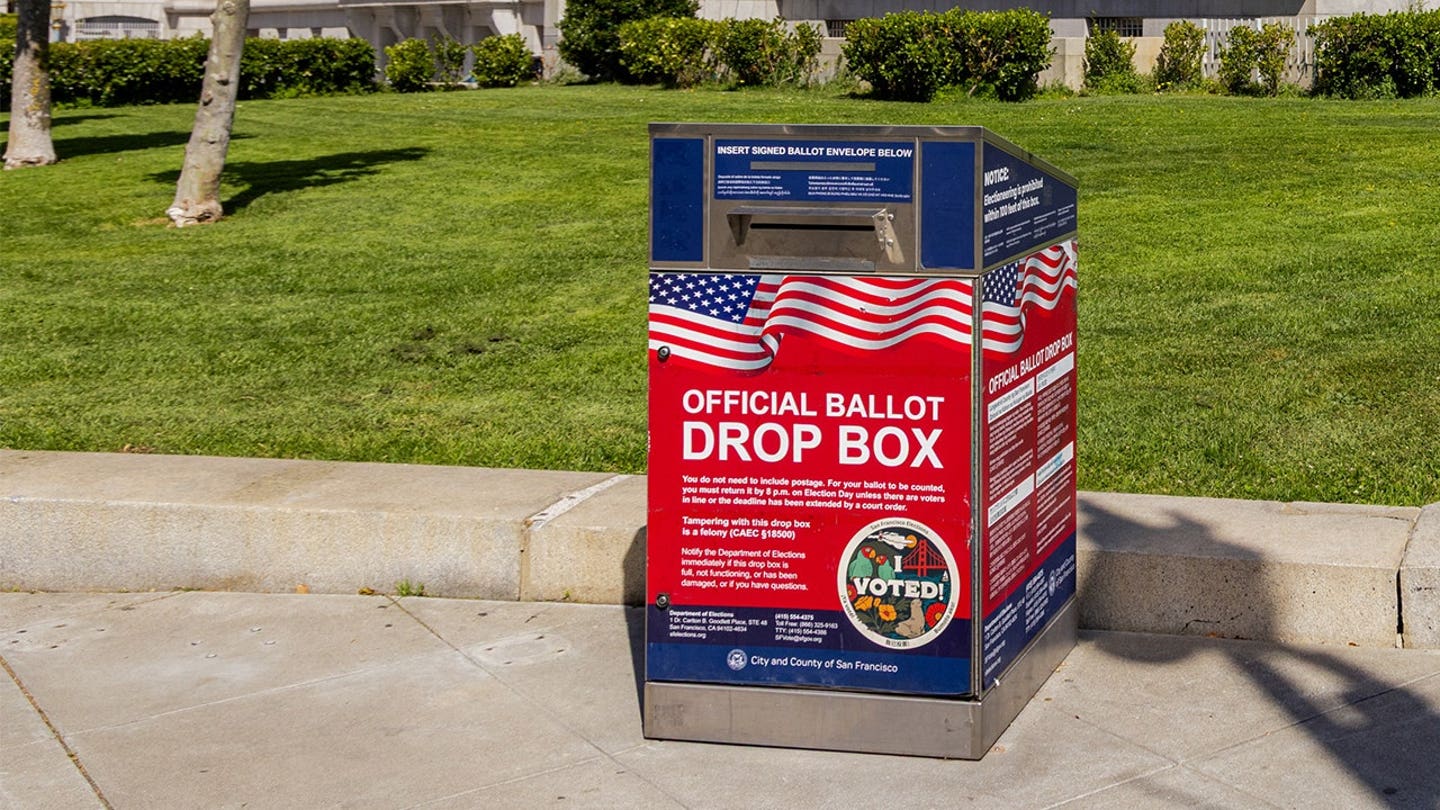
The Justice Department’s claim rests on a list of 20,000 names it sent to California on October 12, compiled from immigration, passport and Social Security records. California’s universal mail-in system sends ballots to all active voters, and once a ballot is separated from its envelope the voter’s identity cannot be determined. The state argued it has no legal duty to verify citizenship before the election and that the federal list contained numerous inaccuracies.
Visual evidence
Images from the story


03
Data & Statistics
- 20,000 voters flagged by the Justice Department.
- More than 3.7 million Californians had voted by the district-court hearing, with over 500,000 mail ballots already processed.
- A sample of 200 flagged voters in Los Angeles County showed just over 38 % reported U.S. birthplaces, while USCIS asserted none of those 200 were U.S.–born.
- Of the 20,000 names, just over 7,000 were in Los Angeles County; a review found more than half corresponded to canceled or inactive registrations.
04
Official Statements & Responses
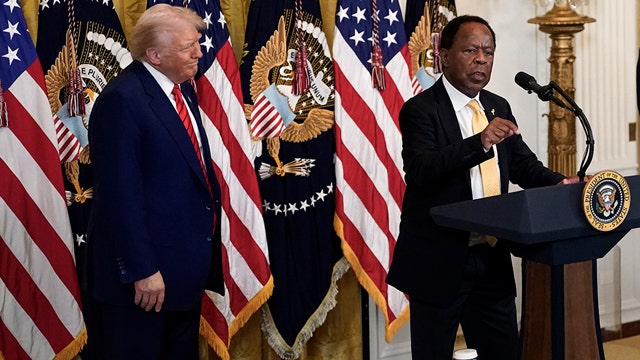
Judge Carter wrote that the request “violates longstanding constitutional principles” that give states authority over elections and warned that forcing segregation would “disenfranchise” lawful voters. Assistant U.S. Attorney Bill Essayli said the lawsuit was needed to prevent “dilution” of American votes and that the administration would seek an emergency appeal. California Deputy Attorney General Anne Bellows called the relief “incredibly disruptive” and a “recipe for disenfranchisement.” State officials questioned the provenance of the federal list, noting many entries were outdated or matched inactive registrations.
05
Criticism & Opposition
Governor Gavin Newsom condemned the effort as a partisan attempt to suppress California voters.
> “This is a sad, desperate attempt by Trump to use his politicized Justice Department to try to suppress California voters,” — Gavin Newsom, governor
Los Angeles County officials said separating ballots after processing would be “virtually impossible” to implement before Election Day.
06
Conflicting Reports & Gaps
The factual dispute centers on the accuracy of the 20,000-person list. Los Angeles County’s sample suggests many flagged individuals are U.S. citizens or have inactive registrations, while USCIS claims none of the sampled 200 are U.S.–born. No court has ruled on the list’s reliability, leaving a key evidentiary gap in the Justice Department’s case.
07
What’s Next
The Justice Department plans to appeal to the Supreme Court for emergency relief. A hearing before Judge Carter is scheduled for the Tuesday after his October 28 ruling, with a written decision expected soon. The outcome will determine whether the federal government can compel a state to alter ballot-processing procedures less than two weeks before the November 3 midterm elections.