
Full Breakdown
Iowa’s Water Crisis Becomes Central Issue in Midterm Elections
By Drooid · · How we work
In this breakdown
01
Core Event: Nitrate-laden water and soaring cancer rates push water quality to the top of the 2026 Iowa ballot
Residents across Iowa are confronting high nitrate levels in drinking water and a rise in cancer diagnoses. The issue has moved from household concerns to a decisive campaign theme as candidates for governor, U.S. Senate and other offices cite water quality as a litmus test for leadership.
02
Background & Context: Agricultural runoff and past policy attempts
Decades of intensive corn and soybean production have generated large volumes of synthetic fertilizer and manure from concentrated animal feeding operations. A 2025 Central Iowa Source Water Resource Assessment identified nitrate concentrations in central Iowa as among the nation’s highest. Earlier state initiatives such as the Iowa Nutrient Reduction Strategy and the Des Moines Water Works lawsuit placed water quality on the public agenda, but critics say the policies have not kept pace with ongoing contamination.
Visual evidence
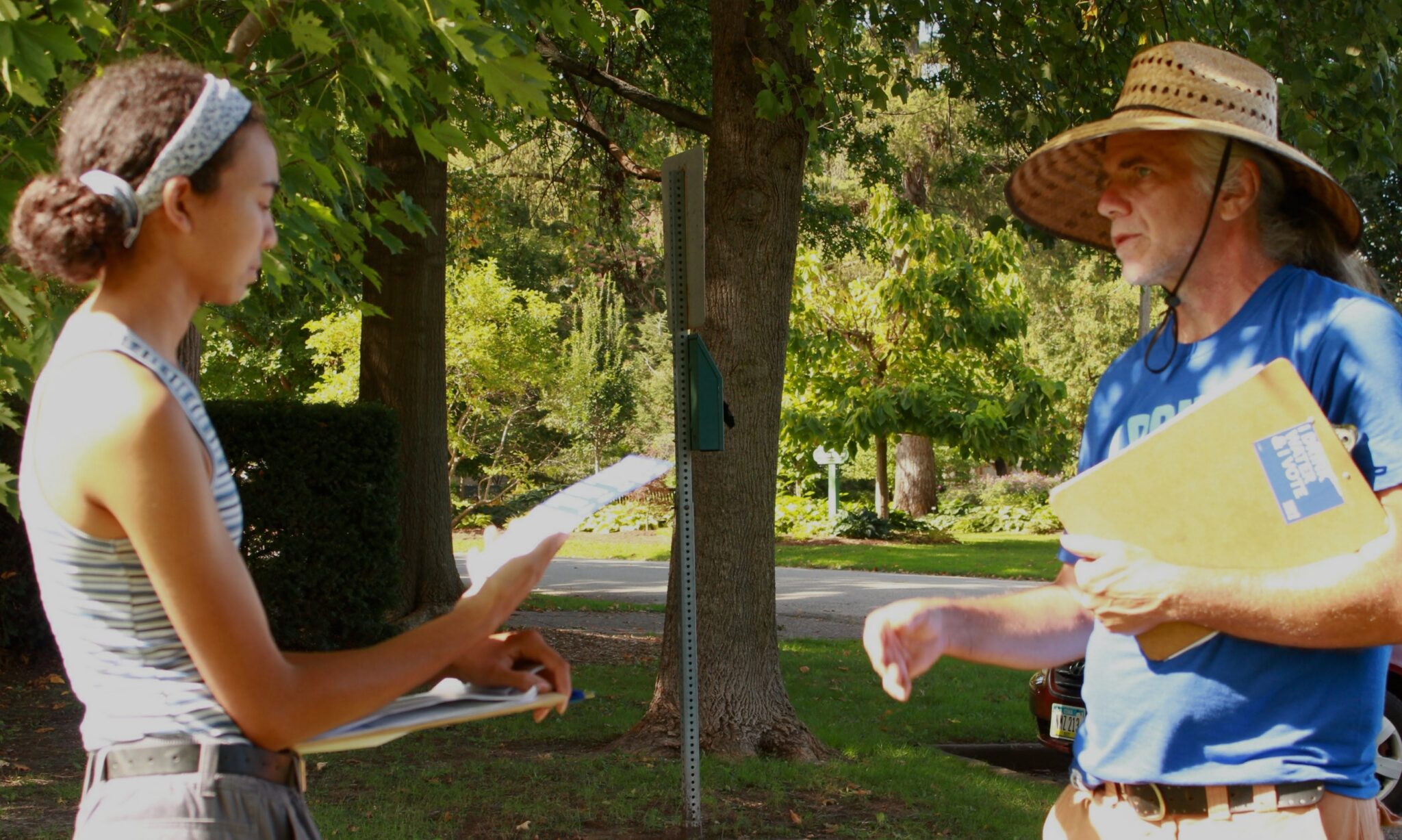
Images from the story




03
On-the-Ground Reports
Megan Lane, a book-store employee in Slater, describes daily decisions forced by nitrate alerts: buying bottled water or installing a $1,000-$4,800 reverse-osmosis system despite a tight household budget. “If I get home and my water bottle is empty, then you really are forced into really no healthy options,” she said.
Emily Hoy of Marshalltown’s Fizz & Fiction echoed the sentiment, calling Iowa’s water “always been crap.”
Mary Whisenand, a Polk County resident, noted the state’s abundant open land makes it attractive for data-center development, while urging “guardrails” to protect water resources.
04
Official Statements & Responses
Republican Rep. Ashley Hinson, a U.S. Senate candidate, framed water quality as “an American issue” requiring “common-sense solutions” and emphasized bipartisan partnerships in Washington, D.C.
Democratic Senate hopeful Josh Turek linked the water crisis to personal family losses from cancer and advocated expanded nitrate-reduction infrastructure and incentives for cover-crop adoption.
Republican gubernatorial candidate Zach Lahn pledged to “Make Iowa Healthy Again,” calling for independent testing of agricultural products, reduced corporate influence, and expanded water-monitoring programs.
Former University of Iowa researcher Chris Jones, running for state agriculture secretary, promised to target CAFOs and reduce corn-soybean acreage, stating, “A vote for me is a vote for clean water.”
05
Criticism & Opposition
Katie Rock, policy manager for the Blue Green Alliance, criticized the state’s decade-long strategy, saying, “The strategies that we’ve had in place to try to address this as a state haven’t changed in over 10 years, and I think it’s pretty clear that it’s not really working.”
Food and Water Action senior organizer Jennifer Breon warned that “barely any of this pollution is regulated, monitored or restricted.”
06
Conflicting Reports & Gaps
Poll results vary: the John Hopkins poll reports 78 % of Democrats ranking water quality in the top five, while the Global Strategy Group poll cites 72 % of all Iowans labeling rising cancer rates as a “very serious problem.” Both surveys highlight strong concern but differ in exact percentages and demographic breakdowns.
No statewide, independently verified measurement of nitrate levels beyond the Polk County and Central Iowa assessments is cited, leaving a gap in comprehensive, up-to-date contamination data.
07
What’s Next: Election outcomes and policy prospects
The upcoming midterm election will determine which candidates advance water-quality proposals to the state legislature and Congress. Candidates have pledged to seek federal funding for nitrate-reduction projects, expand wetland restoration, and consider new regulatory frameworks for agricultural runoff. The results will shape whether Iowa adopts new infrastructure and monitoring programs or continues relying on existing, contested strategies.