
Full Breakdown
Michigan Senate Race: Haley Stevens Conditions Support on Abdul El-Sayed’s Condemnation of Controversial Ads
By Drooid · · How we work
In this breakdown
01
Core Event – Conditional Endorsement
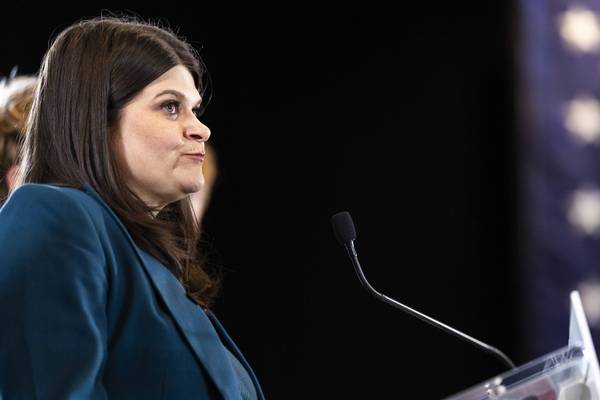
On Friday, Democratic U.S. Rep. Haley Stevens announced she would appear on the campaign trail with Senate nominee Abdul El-Sayed and Rep. James Clyburn. In the same statement she demanded that El-Sayed publicly apologize for past remarks linking U.S. aid to Israel with Michigan’s cost-of-living challenges, formally condemn a Rebellion PAC advertisement that ties grocery prices to “killing Palestinians,” and remove a campaign spot featuring Tucker Carlson. Stevens said the demands are meant to reassure Jewish and Black voters in her district.
02
Background & Context
El-Sayed, a former Detroit health official, has built his campaign on criticism of U.S. military assistance to Israel, arguing that billions in aid contribute to higher gas and food prices. Since the October 2023 Gaza conflict, the Biden and Trump administrations have provided roughly $21 billion in military aid to Israel, a figure cited by multiple outlets. The Rebellion PAC ad, produced for $4,000 in digital placement, depicts a couple debating grocery costs while referencing the $7 “set aside for killing Palestinians.” The ad has been denounced as antisemitic by the Anti-Defamation League and a coalition of Michigan rabbis.
During the August primary, Stevens and El-Sayed sparred over his association with progressive streamer Hasan Piker and the perceived influence of pro-Israel donors. Outside groups, including AIPAC and corporate interests, poured at least $50 million into the primary, while El-Sayed’s campaign claims to have defeated $70 million in outside spending in the general election.
Visual evidence
Images from the story

03
Data & Statistics
- Rebellion PAC ad spend: $4,000 (digital).
- AIPAC and corporate outside spending in the primary: >= $50 million.
- El-Sayed’s campaign claims to have overcome $70 million in outside spending.
- U.S. military aid to Israel since October 2023: $21 billion.
- Estimated additional gasoline cost to U.S. households since the war: $101 billion total, about $856 per household.
04
Official Statements & Responses
Stevens emphasized that the demand reflects concerns of both the Jewish and African-American communities in her district.
El-Sayed responded that the focus should remain on defeating Republican former Rep. Mike Rogers, holding President Donald Trump accountable, and advancing policies such as Medicare for All.
Rep. James Clyburn, a senior African-American leader in Congress, agreed to join the joint appearance, signaling party unity despite the intra-Democratic dispute.
05
Criticism & Opposition
Journalist Ryan Grim argued that Stevens’ demand for El-Sayed to “lie to voters” by omitting Israel from his economic explanations is inaccurate, noting that the U.S. government itself cites defending Israel as a key rationale for the war on Iran. Grim’s analysis suggests the demand reflects a broader tension between progressive anti-Israel positions and established Democratic donor networks.
06
What’s Next
Stevens, El-Sayed, and Clyburn plan to hold a joint campaign event at a Detroit church on Sunday, the first public appearance together since the primary. The event will occur less than a week before Michigan’s Senate election, which will determine whether Democrats retain control of the Senate. Meanwhile, former President Donald Trump has shifted from in-person rallies to a series of televised tele-rallies in the final days of the campaign.