
Full Breakdown
BJP vs Samajwadi Party in Uttar Pradesh Legislative Council Elections: Results, Allegations, and Implications
By Drooid · · How we work
In this breakdown
01
Core Event – 2026 Uttar Pradesh Legislative Council Results
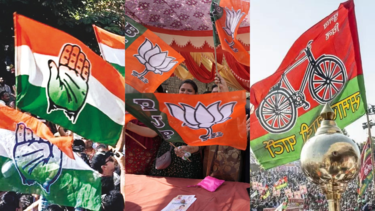
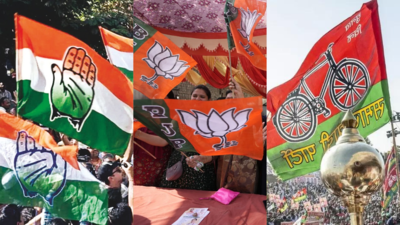
Polling for 11 Legislative Council seats (five graduate and six teacher constituencies) was held on October 23, 2026. Counting began on October 27 and the final tally was announced on October 29. The Bharatiya Janata Party (BJP) secured six seats, while the Samajwadi Party (SP) won five. The contest centred on Varanasi and Lucknow, where senior BJP leaders campaigned heavily.
02
Background & Context
Uttar Pradesh’s Legislative Council is elected by limited electorates of graduates and teachers. Because the electorate is small and educated, parties treat these polls as a prestige battle ahead of the 2027 Assembly elections. In 2020 the BJP won six seats, the SP three. The 2026 contest offered the BJP a chance to show organisational strength after a reduced Lok Sabha tally in 2024, while the SP aimed to erode the BJP’s dominance in its strongholds.
Visual evidence
Images from the story

03
Data & Statistics
- BJP victories: Agra Graduates (Manvendra Pratap Singh), Meerut Graduates (Dinesh Kumar Goyal), Bareilly-Moradabad Teachers (Hari Singh Dhillon), Lucknow Teachers (Umesh Dwivedi), Meerut Teachers (Shrichand Sharma), Gorakhpur-Faizabad Teachers (Dhruv Kumar Tripathi).
- SP gains: Varanasi Teachers (Lal Bihari Yadav), Varanasi Graduates (Ashutosh Sinha), Lucknow Graduates (Kanti Singh), Allahabad-Jhansi Graduates (Man Singh Yadav), Agra-Aligarh Teachers (Akash Agarwal).
- Vote margins in the two Varanasi contests exceeded 15,000 votes in favour of the SP.
04
Why It Matters / Impact
The SP’s hold on both Varanasi seats and the Lucknow graduate constituency challenges the BJP’s “double-engine” narrative linking Yogi Adityanath’s Gorakhpur base with Modi’s Varanasi foothold. Analysts view the outcome as an early indicator of educated-voter sentiment ahead of the 2027 Assembly polls. For the BJP, the six-seat tally preserves its numerical strength in the 100-member Council, but the loss of Varanasi and Lucknow may embolden opposition critiques of governance and education policy.
05
Official Statements & Responses
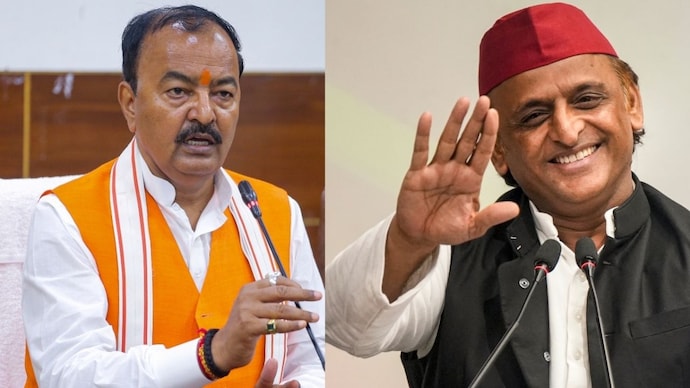
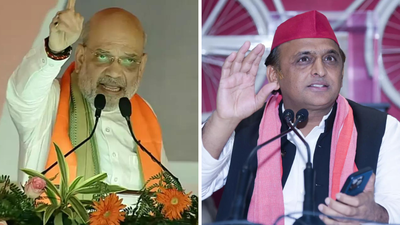
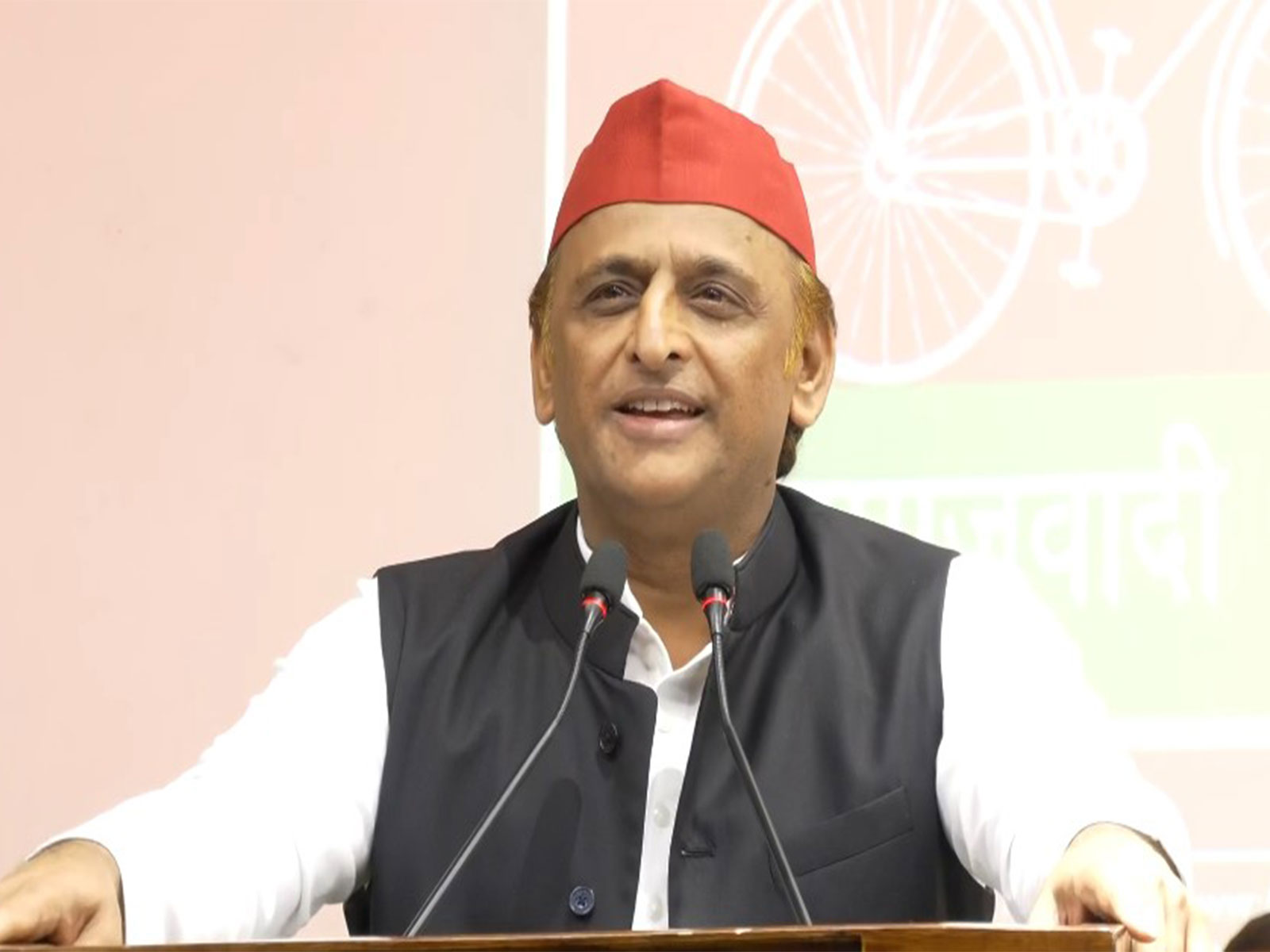
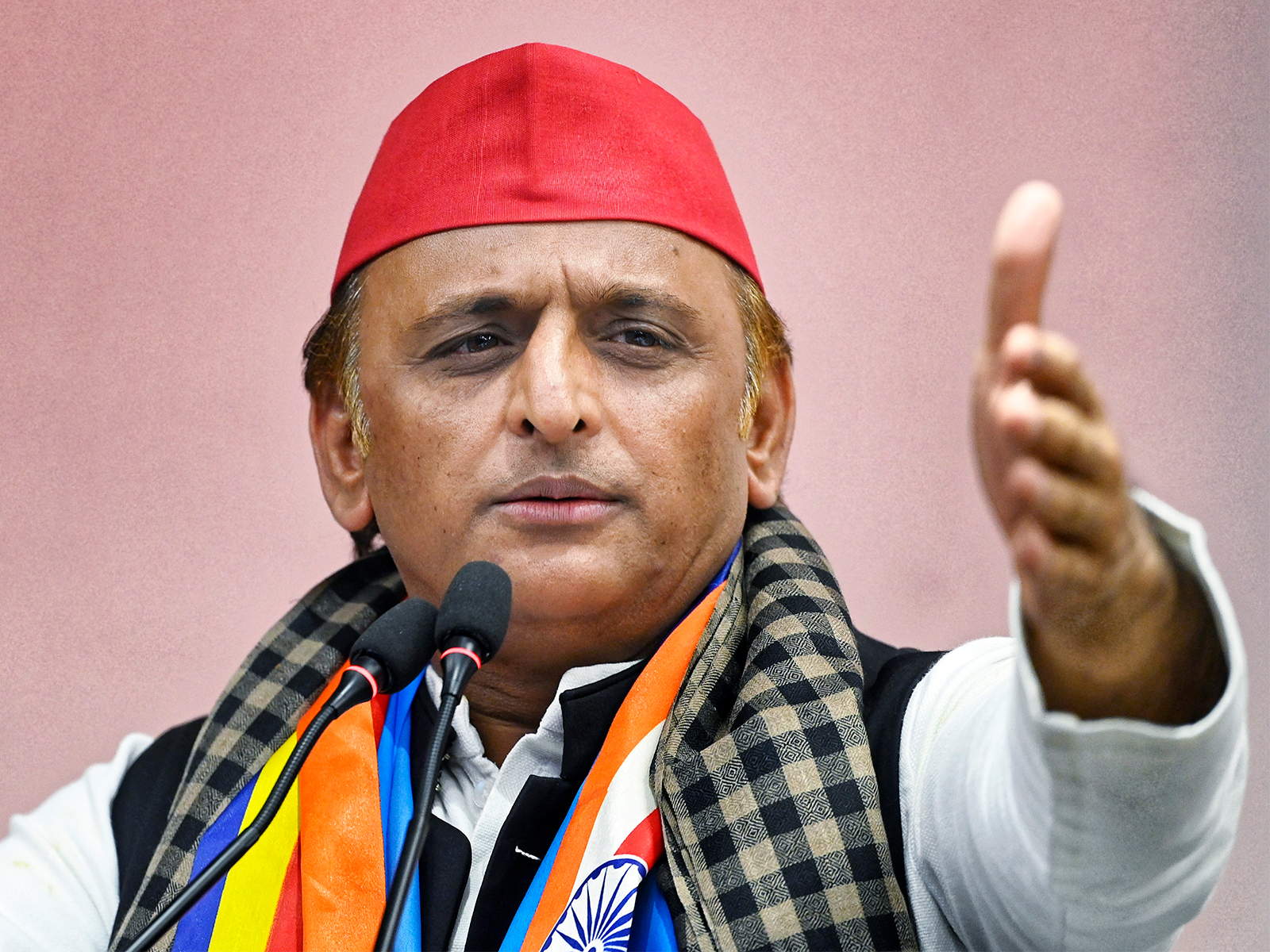
- Samajwadi Party: Akhilesh Yadav accused Chief Minister Yogi Adityanath of “prioritising his home turf” in Gorakhpur at the expense of Varanasi, calling the result a “double defeat” for the BJP’s strategy.
- BJP: Deputy Chief Minister Keshav Prasad Maurya said the party “repeated its previous performance” but had expected a larger win, promising a review. Spokesperson Navin Srivastava said the party would analyse the verdict and address any shortcomings.
- Other officials: Karnataka chief minister D.K. Shivakumar, commenting on parallel MLC polls, said his government would “review the results” after “receiving the voters’ verdict.”
06
Criticism & Opposition
- Allegations of irregularities: The SP claimed counting in Varanasi was deliberately slowed, describing the administration as “caught between Delhi and Lucknow,” and warned that officials who aided alleged manipulation could face legal action.
07
Conflicting Reports & Gaps
Initial media reports on October 28 listed the BJP with six seats and the SP with three, noting pending results for Lucknow and Varanasi graduate constituencies. Declarations on October 29 confirmed the SP’s victories in those two constituencies, raising its total to five seats. The shift illustrates the evolving nature of the count and the lack of a single, contemporaneous source for the final numbers until the end of the counting process.
08
Verbatim Quotes
- “Voting being stopped or slowed down in Varanasi is part of a conspiracy, and everyone understands it. But the BJP will not succeed,” — Akhilesh Yadav, SP president
- “Those who kept talking about a double engine and multiple engines have been given a double zero by the voters of Varanasi this time.” — Akhilesh Yadav, SP president