
Full Breakdown
India’s External Affairs Minister S. Jaishankar Leads a Multi-Track Diplomatic Push at the G20 Foreign Ministers’ Meeting in Atlanta
By Drooid · · How we work
In this breakdown
01
Core Event
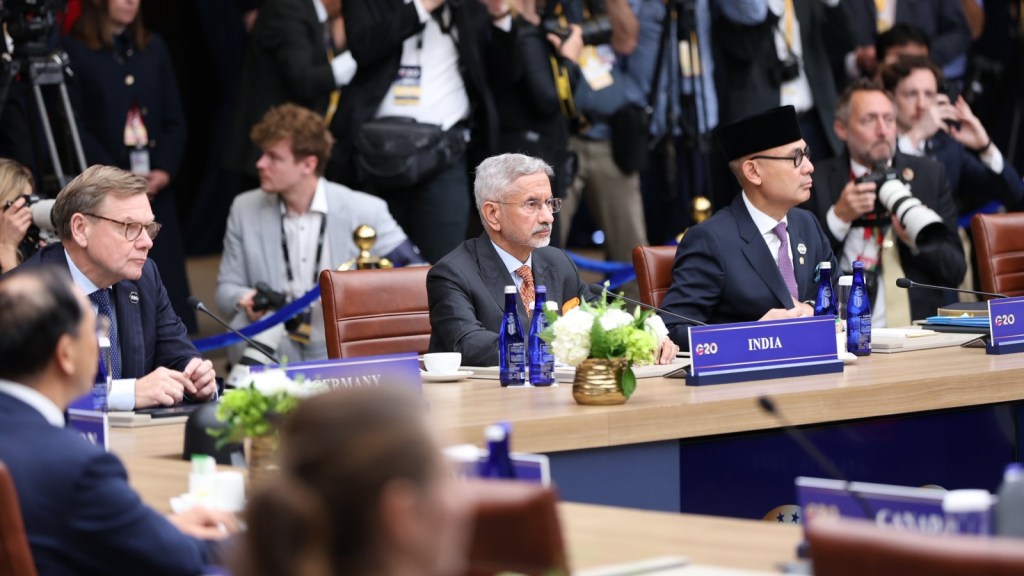
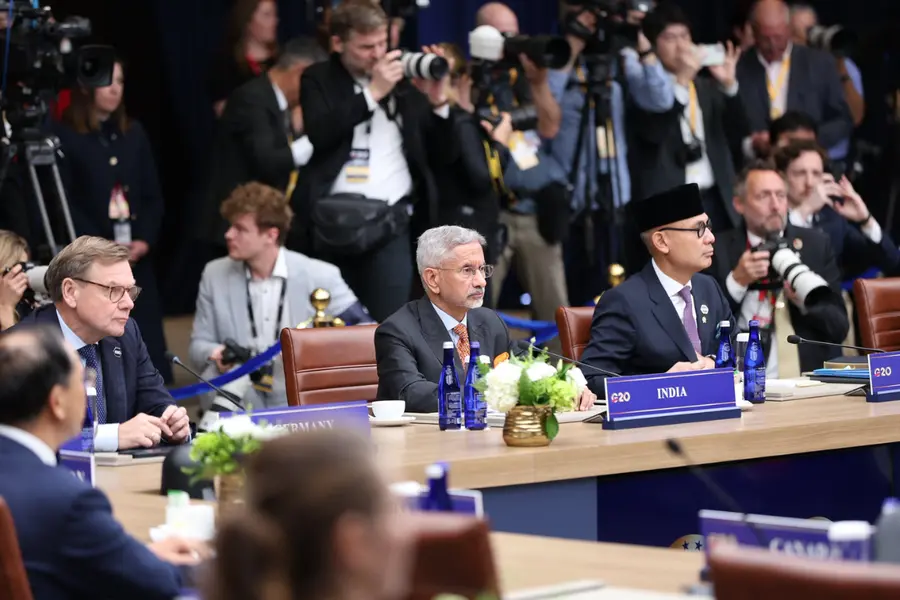
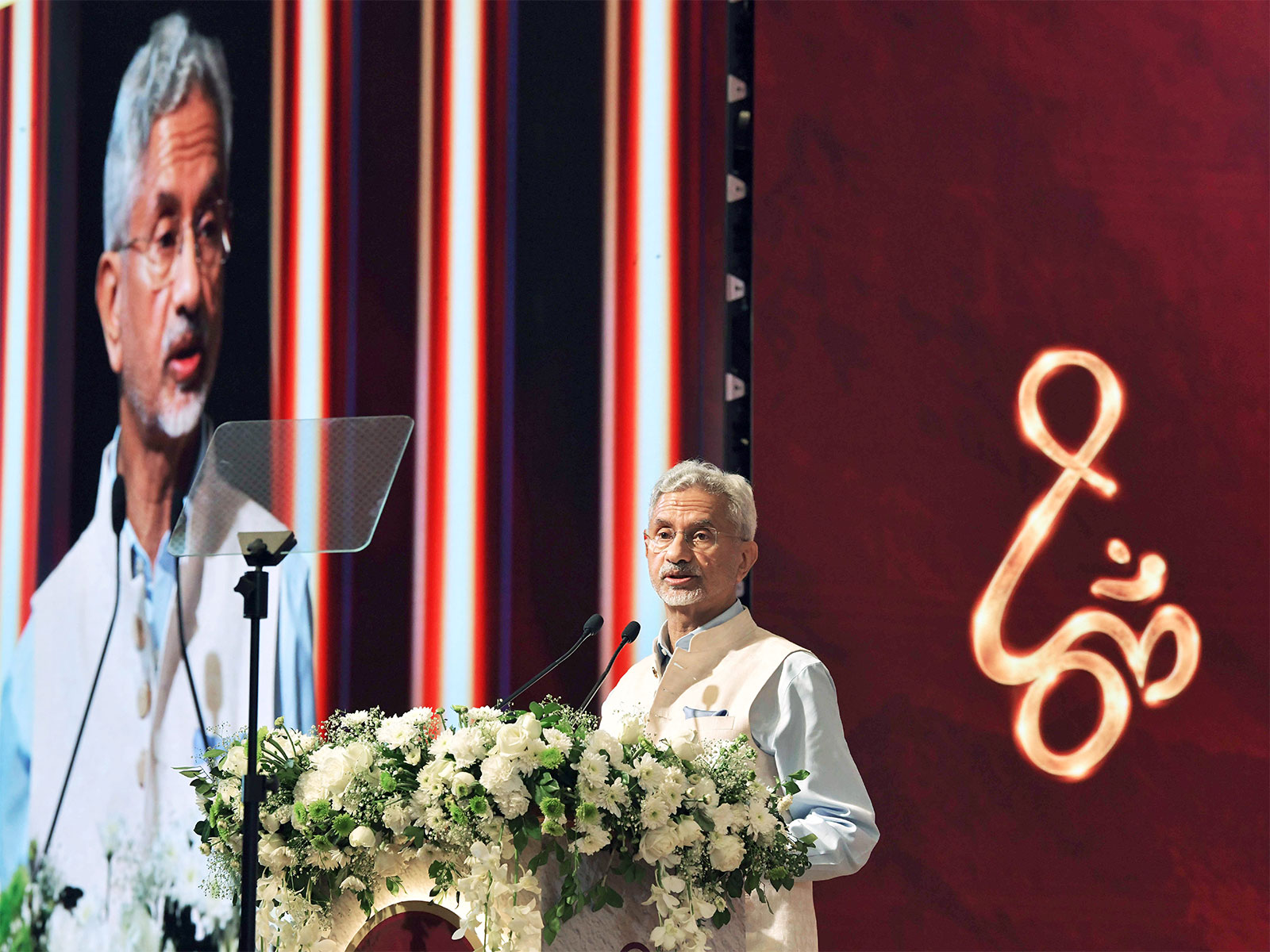
On October 30 2026, External Affairs Minister S. Jaishankar attended the opening plenary of the G20 Foreign Ministers’ Meeting in Atlanta, chaired by U.S. Secretary of State Marco Rubio. Over two days he spoke on terrorism, maritime security, the right of developing economies to industrialise, and energy market stability, held bilateral talks with several G20 counterparts and participated in a Quad Foreign Ministers’ meeting on the sidelines.
02
Background & Context
The G20, comprising 19 countries and two regional organisations, convenes to coordinate global economic policy. The 2026 summit is hosted by the United States, with a leaders’ summit slated for December 14-15 in Miami. India’s participation follows a recent visit by Secretary Rubio to India (October 20-22 2026) and aligns with New Delhi’s broader multilateral outreach, including the upcoming Commonwealth Heads of Government Meeting (CHOGM) in Antigua & Barbuda (November 1-4 2026).
Visual evidence
Images from the story
03
Bilateral Engagements
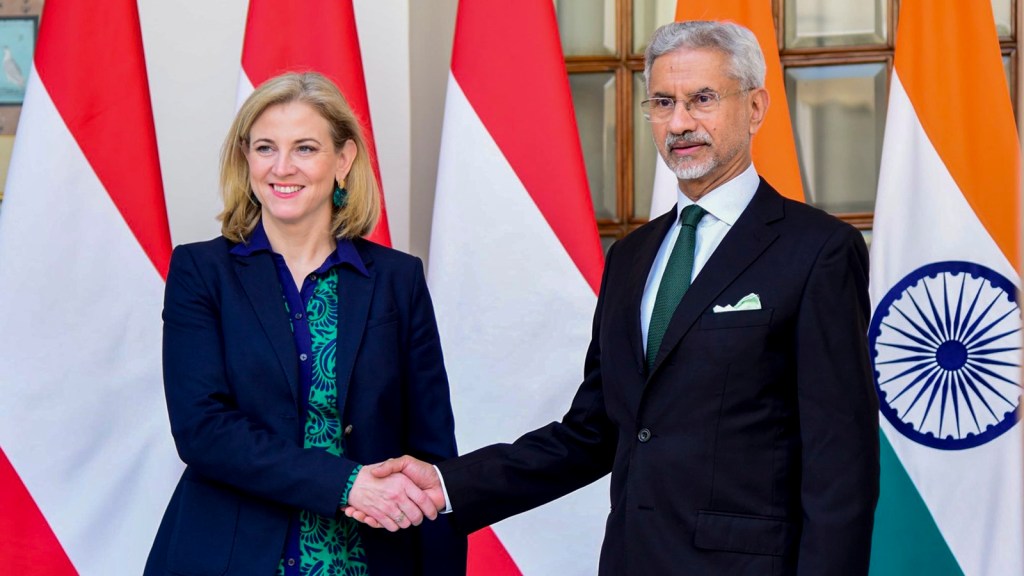
Jaishankar’s side-schedule included one-on-one meetings with:
- Anita Anand, Canadian Foreign Minister – discussed the “steady growth” of India-Canada cooperation.
- Pablo Quirno, Argentine Foreign Minister – covered trade, critical minerals, defence and nuclear cooperation.
- Mauro Vieira, Brazilian Foreign Minister – addressed bilateral and global issues.
- Johann Wadephul, German Foreign Minister – talks on trade, defence and skilled migration.
- Roberto Velasco Alvarez, Mexican Foreign Minister – aimed at giving fresh impetus to bilateral relations.
These talks formed part of India’s effort to diversify partnerships amid energy and supply-chain disruptions.
04
Data & Statistics
- Since the West-Asia conflict began in February 2026, 22 Indian nationals, including 14 seafarers, have died in attacks on civilian shipping.
- The Ministry of Ports, Shipping and Waterways confirmed that two tankers targeted on October 29-30 were hit in the Strait of Hormuz, but all 29 Indian crew members survived.
05
Official Statements & Responses
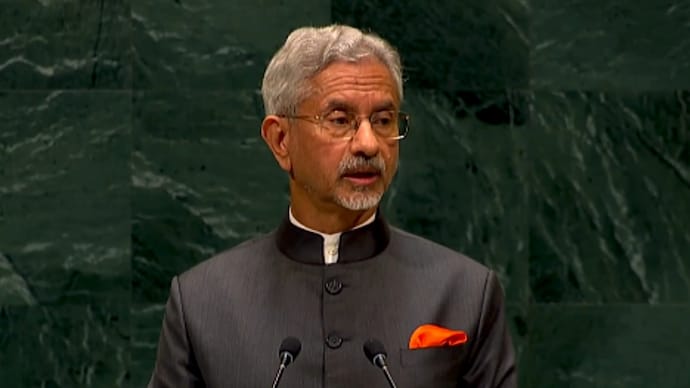
Jaishankar warned that “tactical calculations” should not obscure the persistent danger of terrorism, describing it as a high-risk activity that can backfire on its practitioners. He urged the G20 to protect freedom of navigation and end attacks on civilian vessels, citing UNCLOS as the legal framework.
He noted that the Global South bears a disproportionate share of the economic fallout from maritime attacks, which threaten the availability and cost of fuel, food and fertilisers.
On industrial policy, Jaishankar argued that developing economies are being denied their right to industrialise through market flooding, weaponised supply chains and restricted market access, calling for an end to these practices.
Regarding energy markets, he stressed that the current crisis stems from sanctions, chokepoint disruptions and deliberate attacks on infrastructure, urging G20 members to keep markets open and predictable.
06
What’s Next
- Quad Foreign Ministers’ Meeting – Jaishankar will join his counterparts from the United States, Japan and Australia on the sidelines of the G20 gathering.
- Commonwealth Heads of Government Meeting – From Atlanta, he will travel to Antigua & Barbuda for CHOGM (November 1-4 2026).
- G20 Leaders’ Summit – India is expected to support Prime Minister Narendra Modi’s possible visit to the United States for the leaders’ summit in Miami (December 14-15 2026).
These engagements underscore India’s strategy of leveraging multilateral forums to advance diplomatic solutions, secure maritime routes, and promote resilient, diversified supply chains.