
Full Breakdown
Uttar Pradesh Tightens Recruitment Rules to Exclude Violent Regime-Change Activists
By Drooid · · How we work
In this breakdown
01
Core Event: New Character-Verification Guidelines Bar Violent Protesters from State Jobs
On October 28, 2026 the Uttar Pradesh government issued a 21-page circular, signed by Principal Secretary (Appointment & Personnel) M Devaraj, revising the character-verification norms that apply to all direct recruitments in state departments, public-sector corporations, boards and urban-rural local bodies. The order states that any candidate who is a member of an organisation whose “avowed purpose” is to alter the *vidyaman vyavastha* (established system) through violent means will be deemed ineligible for state employment.
02
Background & Context
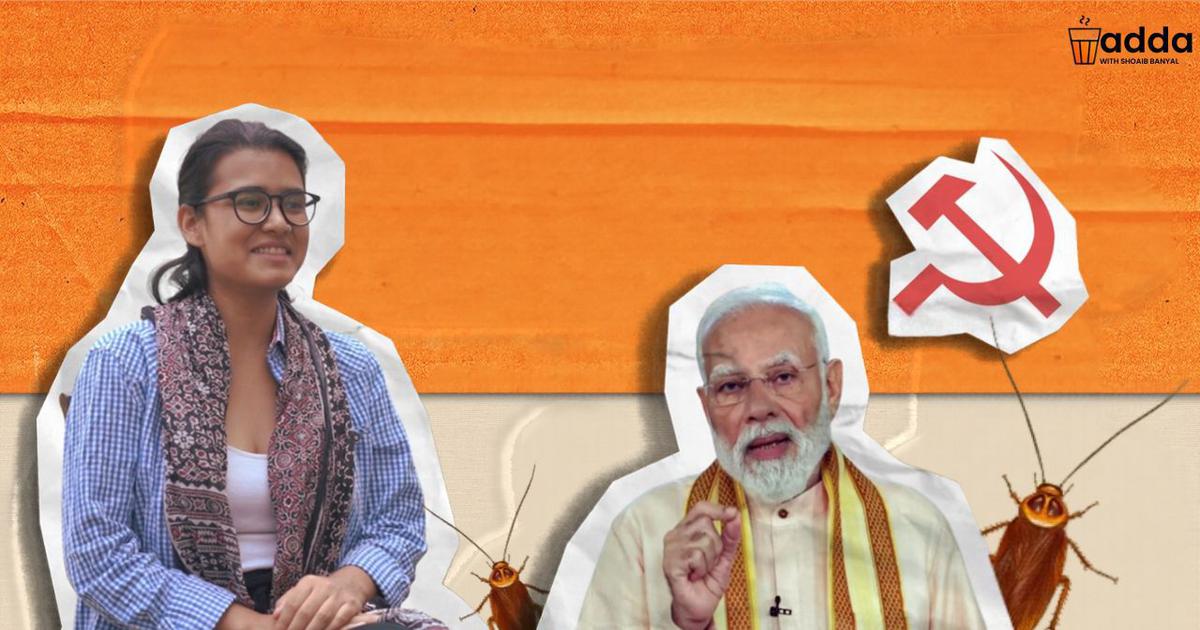
The policy follows a wave of youth-led protests across Uttar Pradesh and other states, notably the Cockroach Janata Party (CJP) demonstrations that called for the resignation of the Chief Election Commissioner. Those protests prompted the state’s high court to direct a review of recruitment-related character checks. The government framed the new guidelines as a response to “violent regime-change” rhetoric expressed by student organisations such as the All India Students’ Association (AISA) and the CJP.
Visual evidence
Images from the story
03
Timeline
- July 2026 – CJP-led protests in several cities demand “regime change.”
- September 1, 2026 – The Supreme Court quashes FIRs filed against students involved in the July protests.
- October 28, 2026 – Uttar Pradesh issues the revised character-verification circular.
04
Data & Statistics
- Eligibility presumption: Participation in violent or “system-change” activities within 3 years before verification, after age 21, is treated as evidence of ongoing involvement.
- Disqualifying offences: Murder, dacoity, rape, outraging modesty, corruption, terror acts, examination-paper leaks, organised “solver-gang” rackets, and cyber-crimes (including digital-arrest scams and UPI fraud).
- Verification deadline: District police and the Local Intelligence Unit must submit character-verification reports within 30 days of a request.
- Provisional appointments: Candidates may receive a provisional appointment letter based on a self-declaration while verification is pending; existing government employees are exempt from fresh checks.
05
Official Statements & Responses
The administration emphasized that political ideology alone will not be a ground for denial of employment. A press release clarified that a mere FIR or an ongoing investigation does not automatically disqualify an applicant; acquittals, lawful compromises, or cases covered by the Juvenile Justice Act are also exempt. The government argued that the streamlined verification process will prevent recruitment delays and allow provisional appointments, while still mandating full background checks for sensitive posts.
06
Criticism & Opposition
Opposition leaders described the order as an “intimidatory” measure that curtails constitutional rights. Samajwadi Party spokesperson Ashutosh Verma condemned the policy as “cowardly,” while Congress representatives warned that peaceful sit-ins and student movements should not be treated as violent acts. Both parties likened the rule to restrictions from the British colonial era.
07
Why It Matters / Impact
The guidelines place character verification at the centre of Uttar Pradesh’s recruitment system, linking employment eligibility to participation in politically motivated violence. By codifying a presumption of ongoing involvement, the rule could disqualify a broad swath of young activists, potentially reshaping the state’s civil-service composition. The provision for provisional appointments aims to keep the bureaucracy staffed, highlighting a tension between security concerns and the constitutional right to protest.
08
What’s Next
District police and Local Intelligence Units are now required to submit verification reports within 30 days of each request. The Home Department will monitor compliance, and any adverse report must be reviewed by a district magistrate who must give the candidate an opportunity to be heard before a final recommendation is made. No further legislative or judicial actions have been announced.