
Full Breakdown
Christa Pike Survives Botched Execution, Remains in Pain and Legal Limbo
By Drooid · · How we work
In this breakdown
01
Botched Execution and Immediate Aftermath
On September 30, 2026, Tennessee attempted to execute Christa Pike, 50, by lethal injection of pentobarbital. Two doses were administered, but the drug pooled in her arms, causing severe burns and blistering. After an hour, officials halted the procedure, summoned emergency responders, and transferred Pike to a Nashville-area hospital while she was still breathing. She remained on a ventilator for several days, regained consciousness in early October, and was discharged back to the Debra K. Johnson Rehabilitation Center on October 10, 2026.
Watch
Related reporting
cbsnews
Video: Christa Pike back in prison and able to talk after botched execution
brightcove
US execution survivor Christa Pike says she is now in ‘constant pain’
02
Background and Legal Context
Pike was sentenced to death in 1996 for the 1995 murder of classmate Colleen Slemmer. A 2024 settlement ended her solitary confinement and granted her the right to work, eat, and socialize with other women inmates. After the failed execution, her lawyers filed an emergency motion demanding that the state honor that settlement and end her “indefinite isolation” in the prison infirmary.
Visual evidence
Images from the story
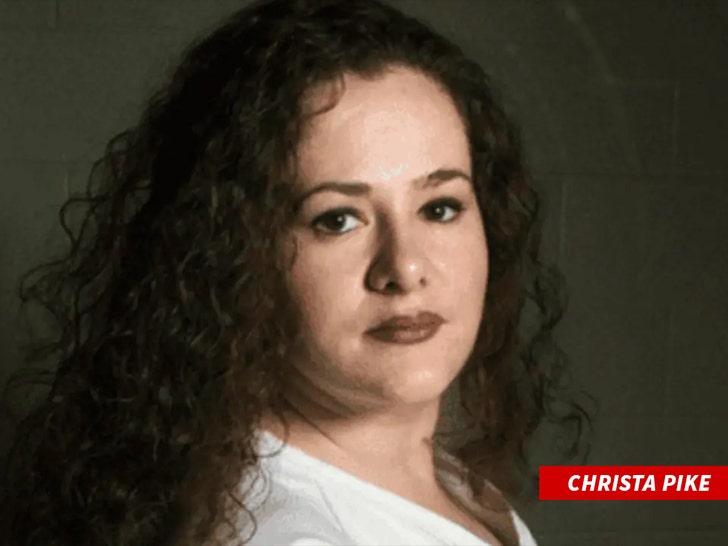
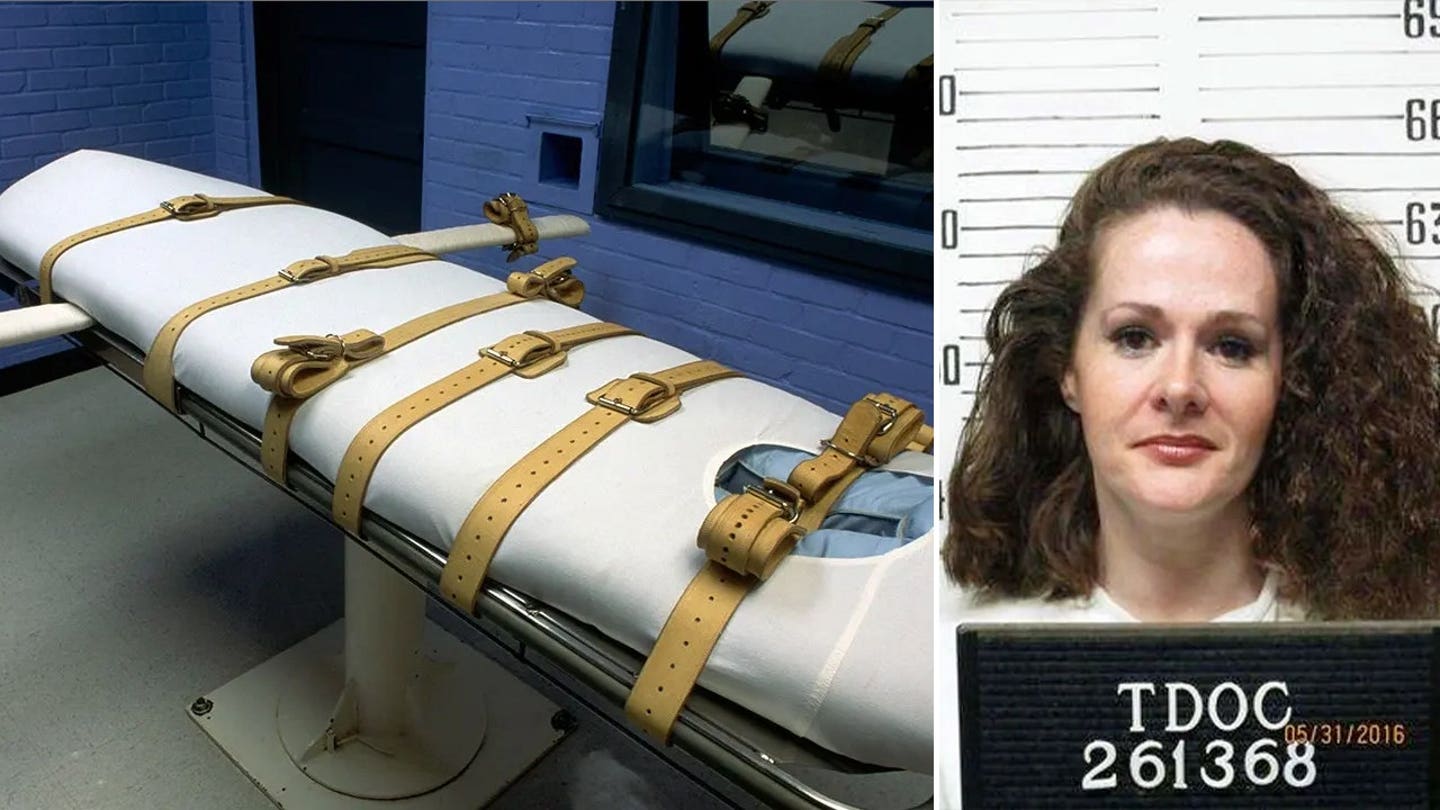
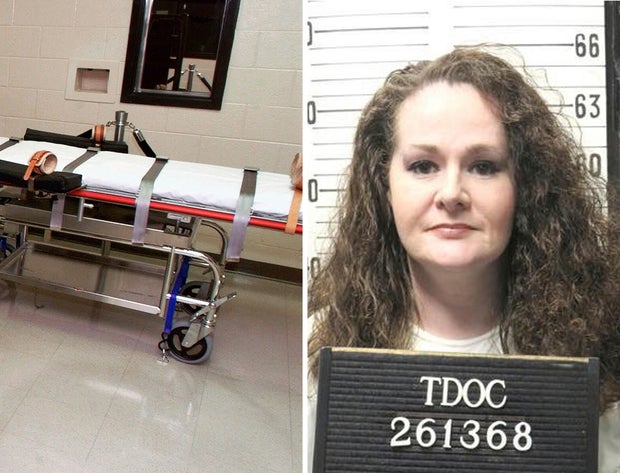


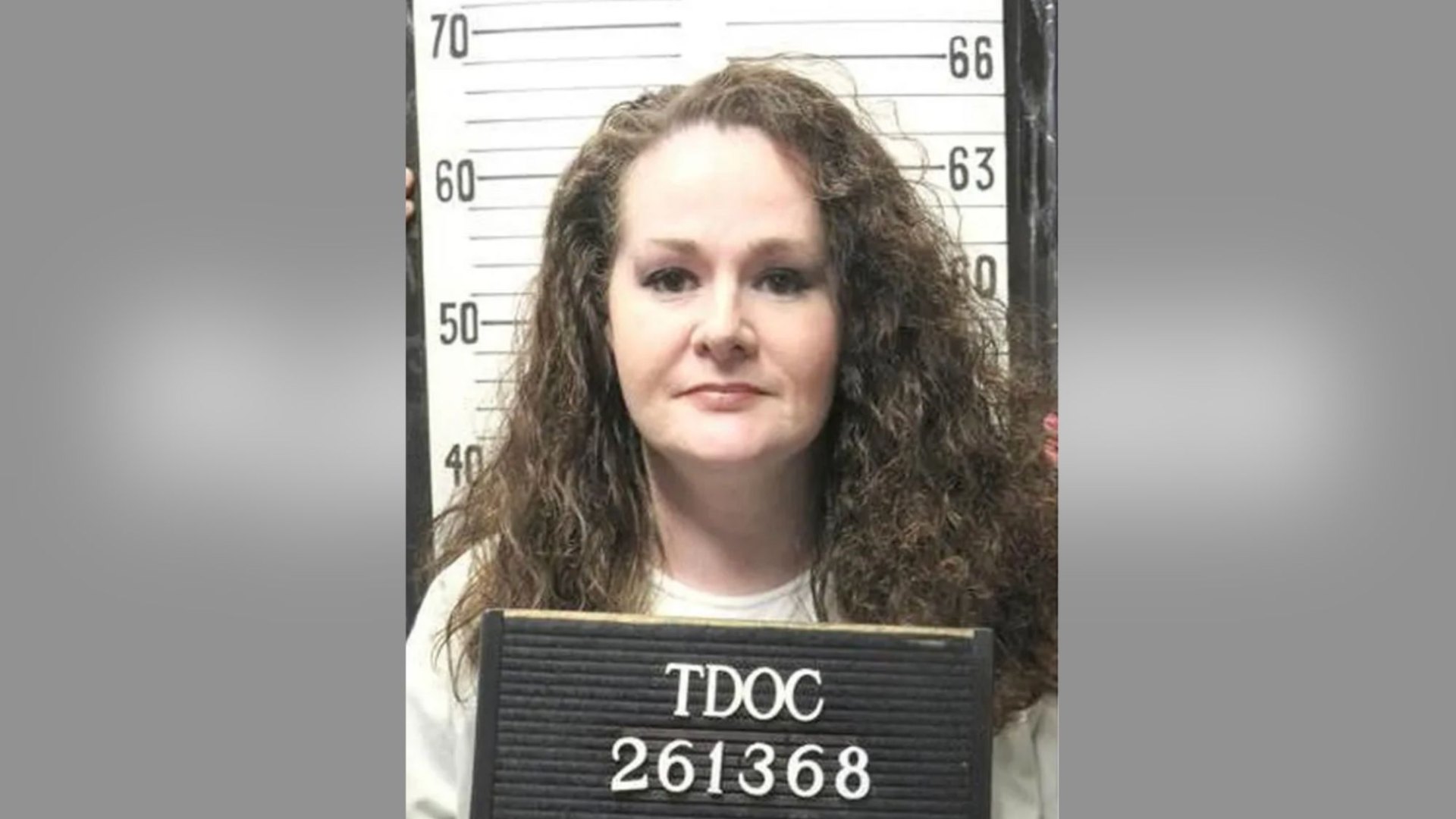

03
Timeline of Key Events
- September 30, 2026 – Execution attempt; procedure halted.
- Early October 2026 – Pike placed on ventilator; remains unconscious.
- October 6, 2026 – Pike regains consciousness and begins speaking.
- October 7, 2026 – Court hearing on scheduling a new execution date.
- October 10, 2026 – Pike released from hospital to prison infirmary.
- October 30, 2026 – Pike issues first public statement, dictating it to her legal team.
04
Data and Statistics
- The Death Penalty Information Center reports Pike is the only inmate known to have survived after a full lethal-injection dose was administered.
- Attorneys say the execution team used at least seven needles while attempting to establish intravenous lines.
- The 2022 DPIC report found more than one-third of U.S. executions that year were botched or highly problematic.
- Pike’s case marks the second failed execution in Tennessee in 2026; the earlier incident involved Tony Carruthers, whose execution was postponed after staff could not locate a viable vein.
05
Official Statements and Responses
Governor Bill Lee announced an independent review of the failed execution and ordered a pause on all remaining lethal-injection schedules for the year. He said he “suspects” Pike’s death sentence will remain unchanged unless a court decides otherwise. The Tennessee Department of Correction defended its protocol, stating it followed established steps and that the law does not require additional procedures after a failed attempt.
06
Criticism and Opposition
May Martinez, mother of victim Colleen Slemmer, said the state “owes me a big apology” for the botched execution, describing the event as “a mess” and expressing frustration that the focus on Pike’s condition diverted attention from her daughter’s family.
07
On-the-Ground Reports
Witnesses in the execution chamber reported hearing Pike gasp for air after the second dose and noted that she remained conscious for a significant portion of the procedure. Medical staff described her arms as “burned and blistered,” and she required intensive care before being able to walk with assistance.
08
Conflicting Reports and Gaps
The Tennessee Department of Correction has not explained why the pentobarbital failed to circulate, while Pike’s lawyers allege the drug may have been “degraded.” No official comment has been provided on the allegation, leaving the precise cause unresolved.
09
What’s Next
Tennessee’s independent review is ongoing, and the governor’s office has not set a date for a possible second execution attempt. Pike’s emergency motion seeks a court order to restore the 2024 settlement’s provisions, allowing her to interact with other inmates while she continues medical recovery. The state supreme court will ultimately decide whether a new execution date will be scheduled.