
Full Breakdown
Christine Lagarde to Leave the ECB Nine Months Early, Triggering a Succession Race Ahead of France’s Presidential Election
By Drooid · · How we work
In this breakdown
01
Core Event
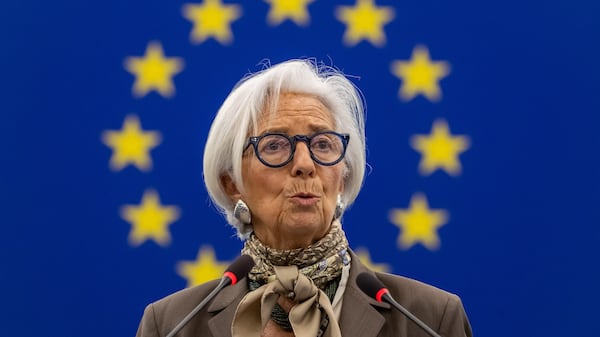
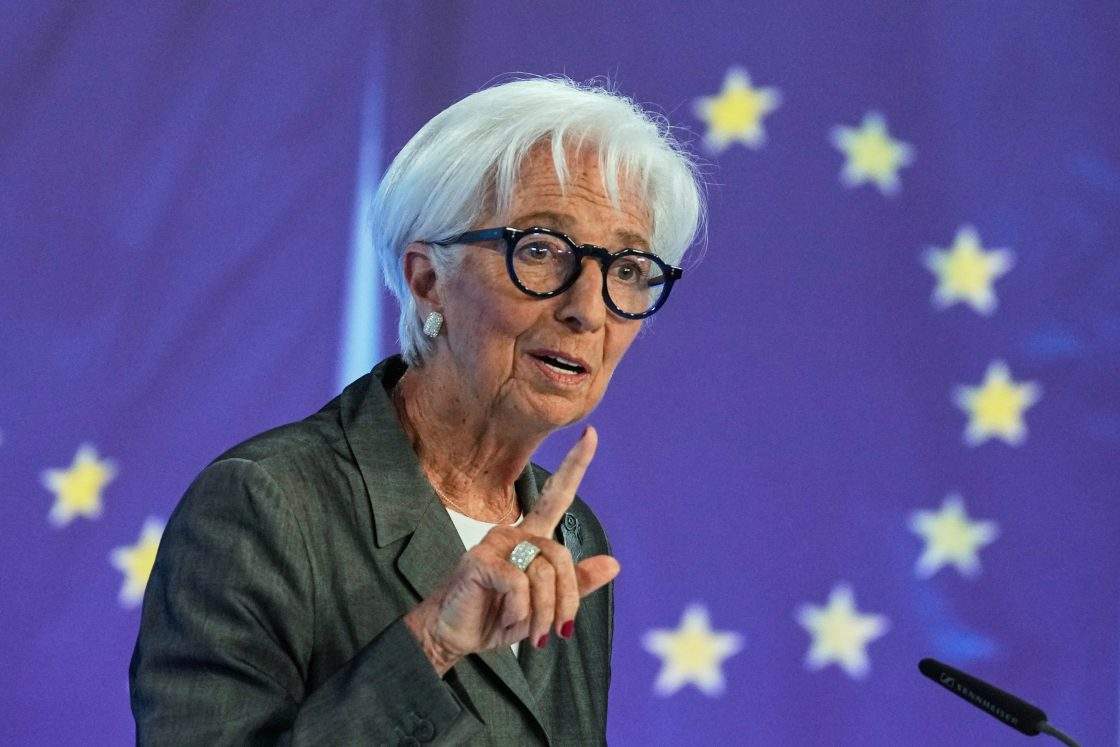
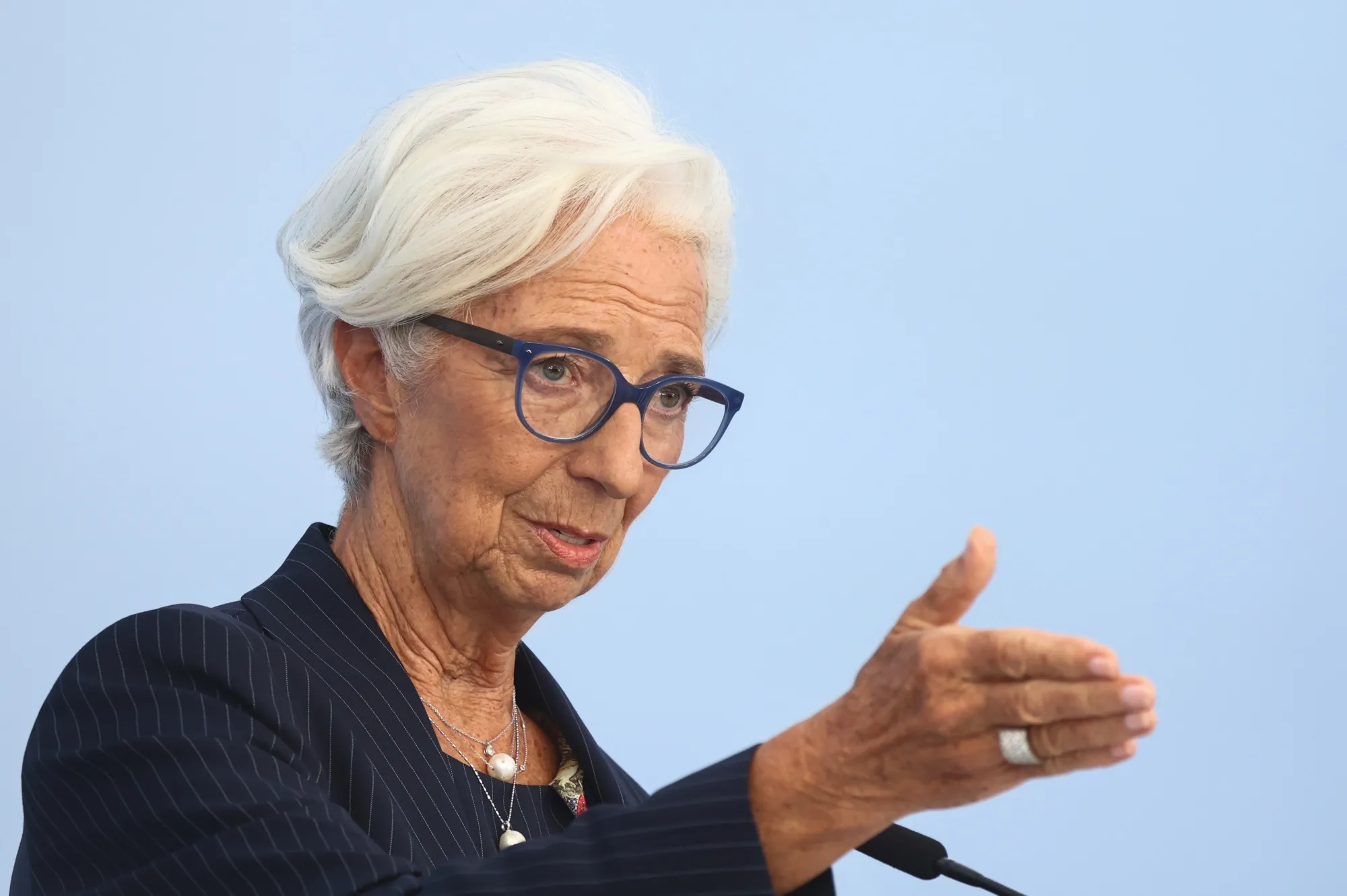
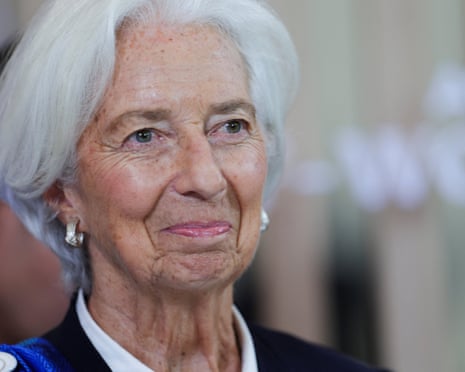
On 29 October 2026 the European Central Bank announced that President Christine Lagarde will step down on 7 February 2027, nine months before the scheduled end of her term on 31 October 2027. The resignation was delivered in a video message to the Governing Council and to European Council President Antonio Costa.
Watch
Related reporting
brightcove
European Central Bank President Lagarde to step down early
02
Background & Context
Lagarde assumed the ECB presidency on 1 November 2019. Her tenure covered the COVID-19 pandemic, the Russia-Ukraine war and an oil-price shock linked to the Iran conflict, during which the bank deployed €1.35 trillion of emergency bond purchases in 2020. Early-exit speculation grew in 2025-2026 as EU leaders sought to appoint a successor while President Emmanuel Macron remains in office and to limit the influence of a potential Marine Le Pen presidency in spring 2027.
Visual evidence
Images from the story



03
Timeline
- 1 Nov 2019 – Lagarde’s term begins.
- 29 Oct 2026 – ECB announces resignation effective 7 Feb 2027.
- 7 Feb 2027 – Lagarde’s last day as ECB president.
- 3 Jan 2027 – Executive-board member Isabel Schnabel will leave for the IMF.
- 31 May 2027 – Chief economist Philip Lane’s term ends.
- 17-18 Dec 2026 – EU summit expected to negotiate a package deal for the three vacancies.
04
Data & Statistics
- Deposit facility rate: 2.5 % on the announcement day.
- Euro-area inflation: 3.8 %, above the 2 % target.
- French-German 10-year bond spread: 154 bps, highest since 2011.
- Money markets price three additional rate hikes by end-2027, pushing the deposit rate to 3.25 %.
05
Why It Matters / Impact
The timing gives EU leaders a window to select a successor before the French election, reducing the chance that a Le Pen-led government could shape the appointment. The new president will inherit a balance between price stability and growth support amid persistent inflation, elevated energy prices and widening sovereign-bond spreads.
06
Official Statements & Responses
French President Emmanuel Macron thanked Lagarde for her “determined action” and called for an “orderly and balanced” transition. The ECB’s press release stressed that the resignation does not alter the monetary-policy outlook.
07
Criticism & Opposition
German MEP Markus Ferber warned that an early departure could undermine confidence amid high inflation and nervous bond markets. Jean-Philippe Tanguy, drafting economic policy for Le Pen’s manifesto, called the move “another insult” to the rule of law. Economist Paul De Grauwe described the resignation as “debasing the institution” and driven by “purely political calculus” by the French president.
08
Conflicting Reports & Gaps
Sources differ on Lagarde’s personal motivations. Some cite a desire for “freedom of speech” and engagement in non-monetary matters; others mention speculation about a future role at the World Economic Forum. The ECB offered no explicit reason, leaving the rationale unconfirmed.