
Full Breakdown
Midterm Election Surge: Early Voting Peaks as Campaigns Intensify
By Drooid · · How we work
In this breakdown
01
Early Voting Surge and Final Campaign Push
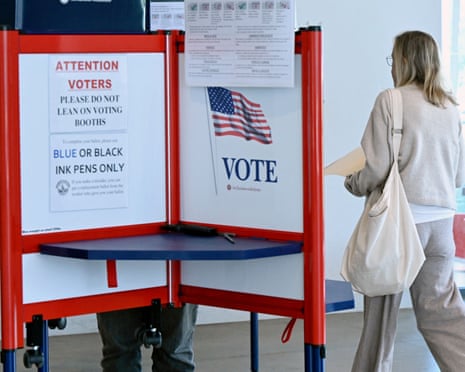
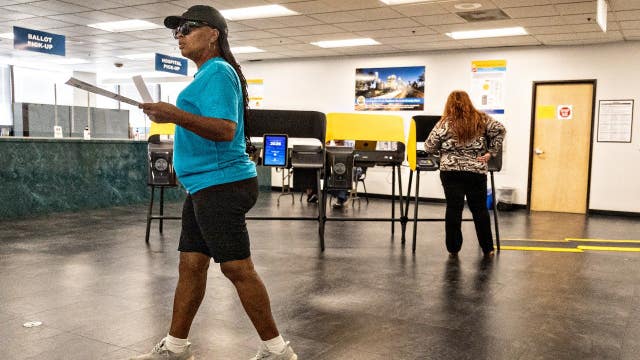
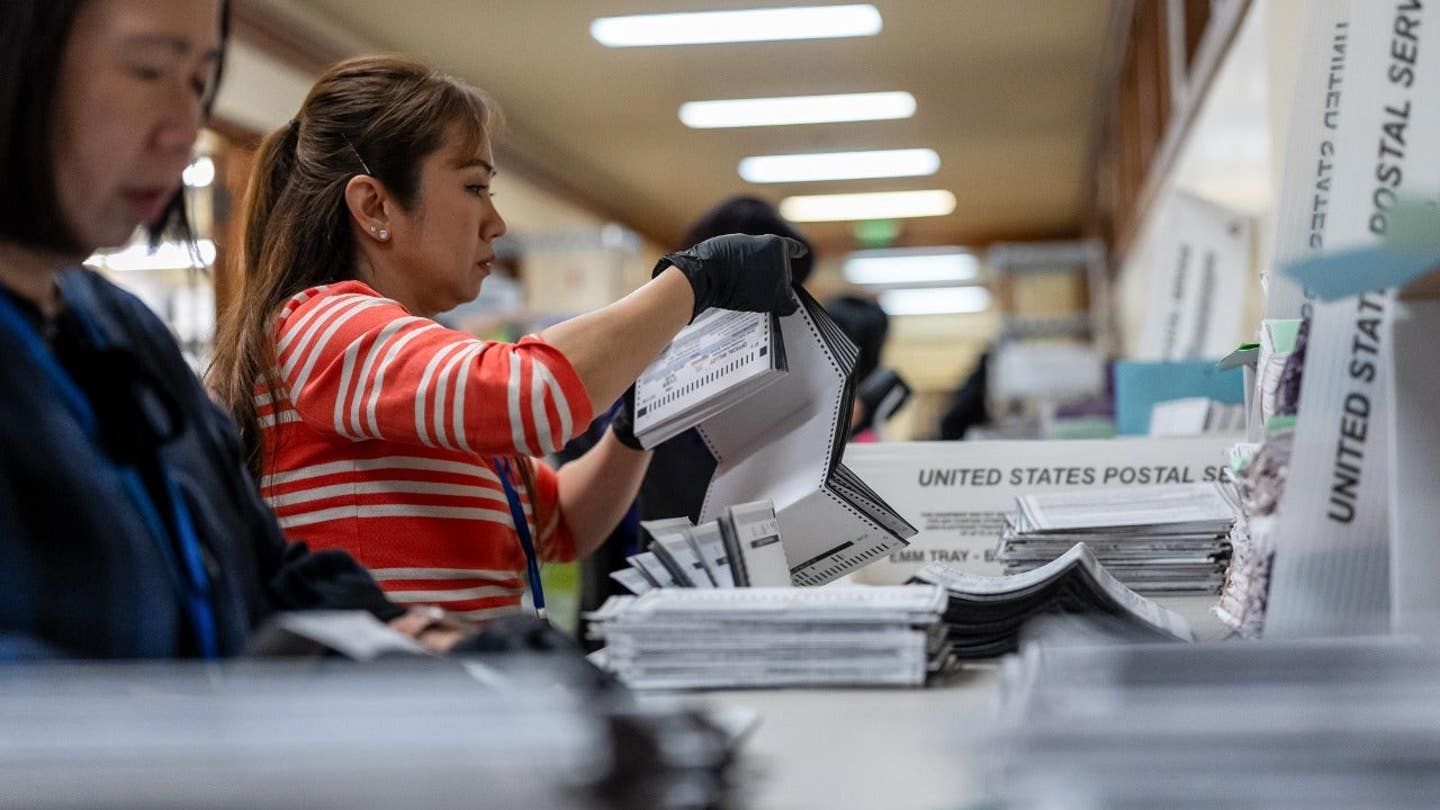
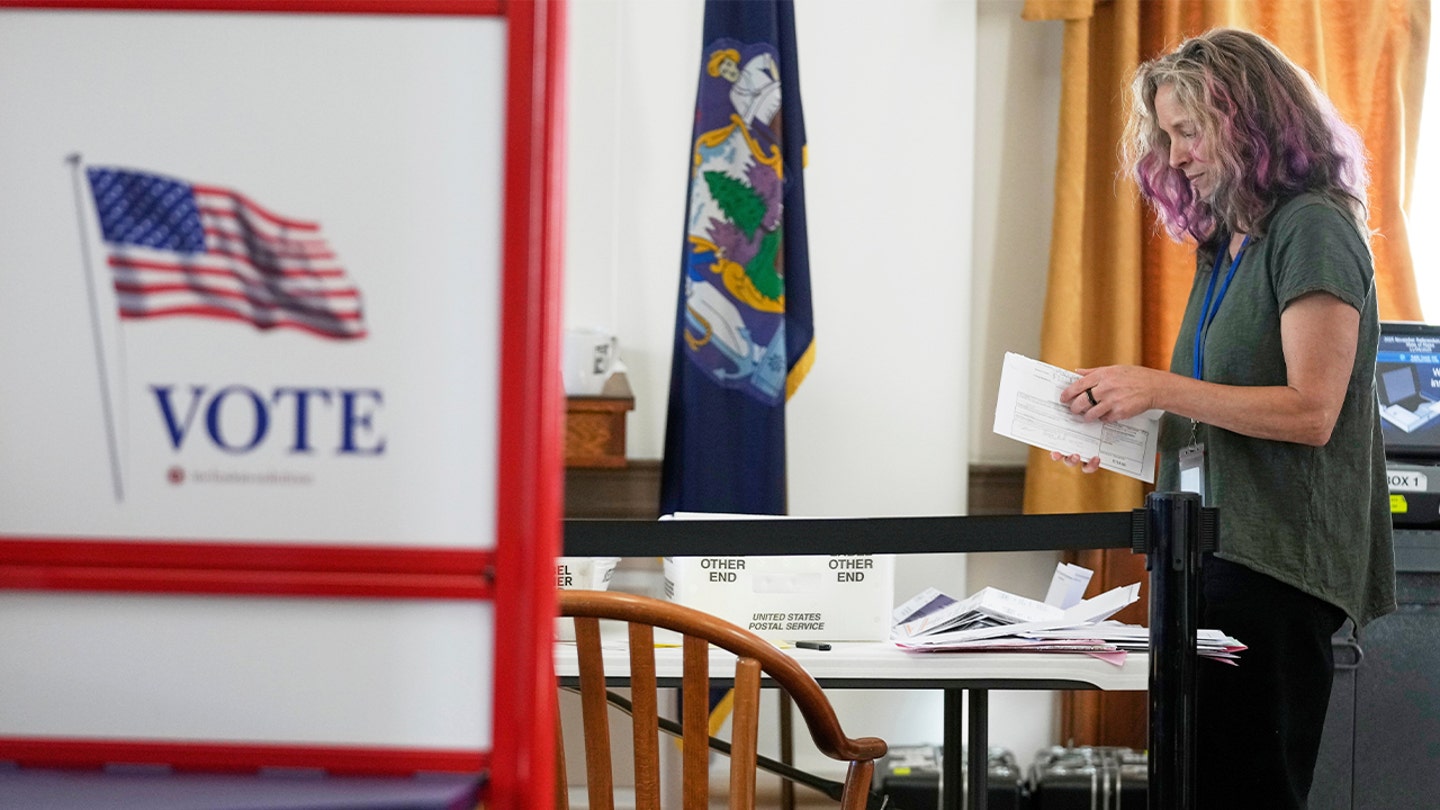
In the weeks before the November 3 midterms, early voting has reached unprecedented levels. An Associated Press analysis reported more than 43 million early ballots, nearly 10 million above the same point in 2022. The University of Florida’s Election Lab later cited “more than 46 million,” suggesting the total may soon eclipse the 2018 record. The surge is especially pronounced in competitive Senate states—Texas, Kansas, Iowa, Maine, Michigan and North Carolina—where early participation is up roughly 30 percent versus 2022.
President Donald Trump’s campaign schedule shifted dramatically. After canceling weekend rallies in Kansas and Iowa, the events were reinstated for Sunday, with Trump slated to appear in Cedar Rapids, Iowa, and Salina, Kansas. Trump told supporters, “You got to vote. Bad things happen when you get too confident, right? So let’s pretend they’re one point down.” Republican National Committee chair Joe Gruters called the last-minute shift a “72-hour sprint” to reach voters nationwide.
Watch
Related reporting
brightcove
US midterms: 3 days to go – What latest polls say as early voting surges
brightcove
US midterms: 4 days to go – What the polls say as Trump cancels two rallies
brightcove
US midterms: Five days to go – What the polls say as Trump, Harris campaign
02
Historical Context of Midterms and Early Voting
Midterm elections traditionally serve as a referendum on the sitting president, and incumbent parties usually lose seats, especially when presidential approval is low. Trump’s approval was measured at 37 percent in a Marquette Law School poll released October 28, with a 61 percent disapproval rating. Early-voting growth reflects broader enthusiasm: the 2022 midterms saw 45.9 million early voters, while 2018 set the overall turnout record at 53 percent.
Visual evidence
Images from the story



03
Key Data Points
- Early-Voting Totals: > 43 million (AP) vs > 46 million (UF Election Lab).
- National Polling: RealClearPolitics’ congressional ballot average shows Democrats leading Republicans by 8.2 points (51.4 % to 43.2 %).
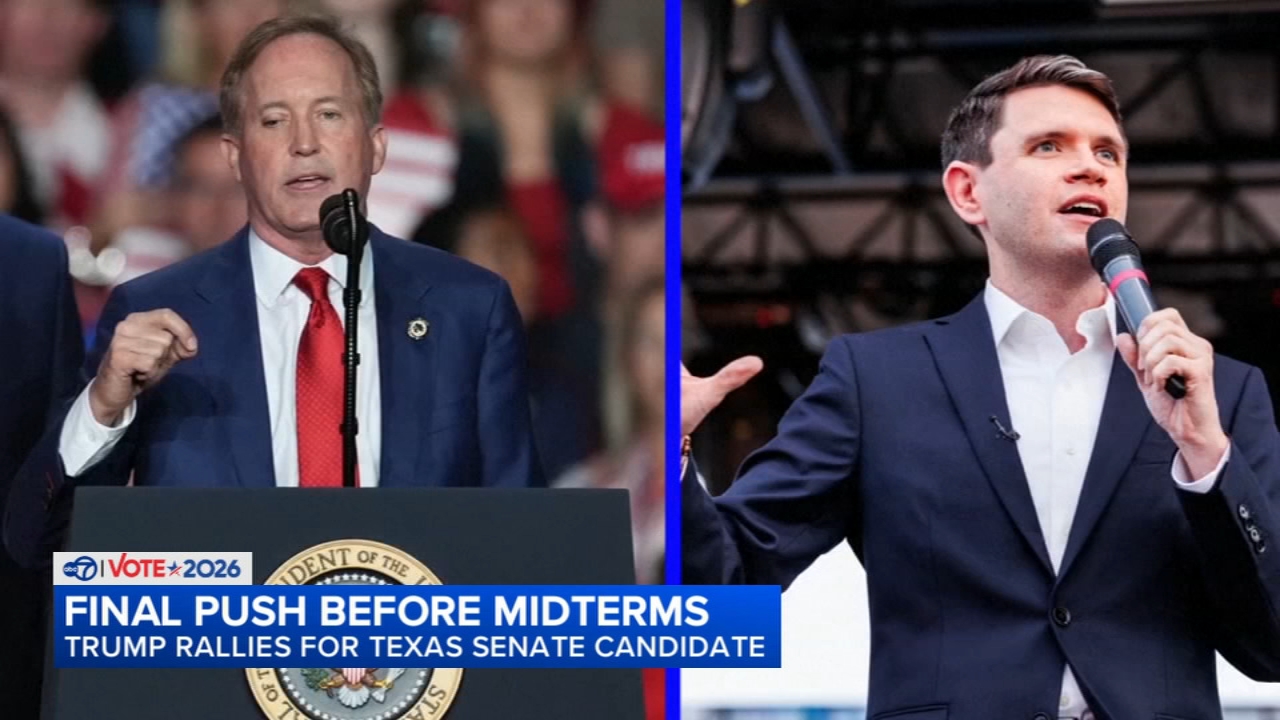
- Senate Race Leads: Texas Democrat James Talarico leads Republican Ken Paxton 49 %-43 % (CNN); Michigan Democrat Abdul El-Sayed leads Republican Mike Rogers 49 %-42 % (CNN).
- State-Specific Early Voting: Texas early votes rose from 4.2 million in 2022 to 6.3 million, a 50 % increase.
04
Official Statements & Responses
The Brennan Center’s Wendy Weiser warned that heightened ICE activity could affect voter confidence, though early-voting surges in minority communities suggest participation remains strong.
05
Criticism & Opposition
Civil-rights groups have decried recent ICE operations in New Jersey, Oregon and other states, labeling them intimidation tactics aimed at suppressing turnout. Weiser emphasized that intimidation at polling places is illegal and urged voters to report incidents.
06
Conflicting Reports & Gaps
The early-voting totals differ between the AP (> 43 million) and the UF Election Lab (> 46 million). Both figures are based on pre-Election Day data, highlighting challenges in real-time turnout tracking. Polls show Democratic leads in several Senate races, but margins are often within a few points, leaving outcomes uncertain.
07
What’s Next
Election Day is scheduled for November 3. In Alaska, a legal dispute over two candidates named Dan Sullivan could delay the Senate result. Federal courts are hearing challenges to the Justice Department’s attempts to segregate ballots in several states. As the nation approaches the vote, early-voting momentum, campaign maneuvers, and unresolved legal battles will shape the final composition of Congress.