
Full Breakdown
King Charles’s Caribbean Tour Confronts Calls for Slavery Reparations
By Drooid · · How we work
In this breakdown
01
The Tour and Reparations Focus
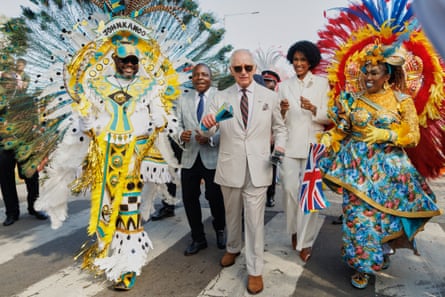
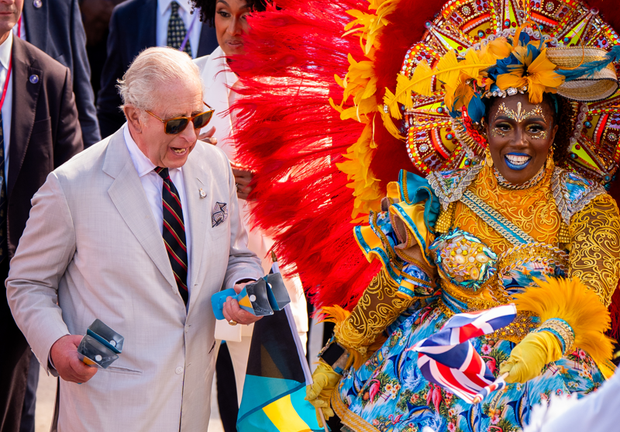
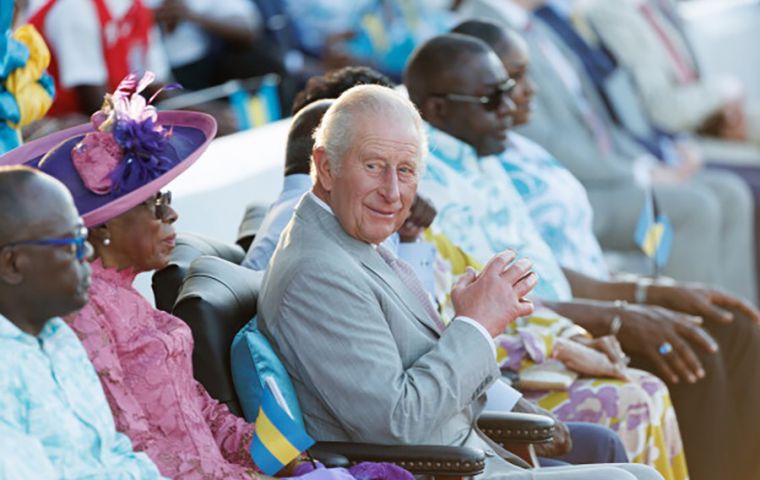
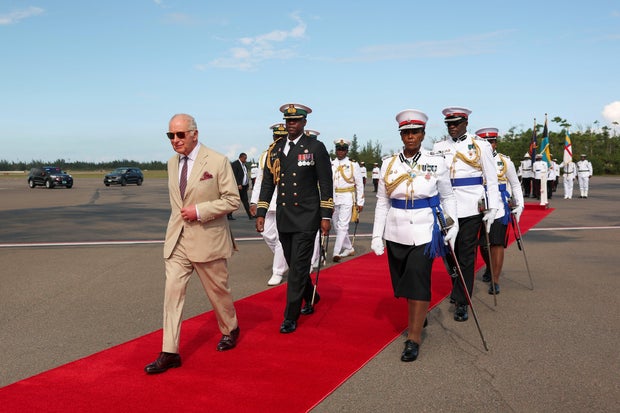
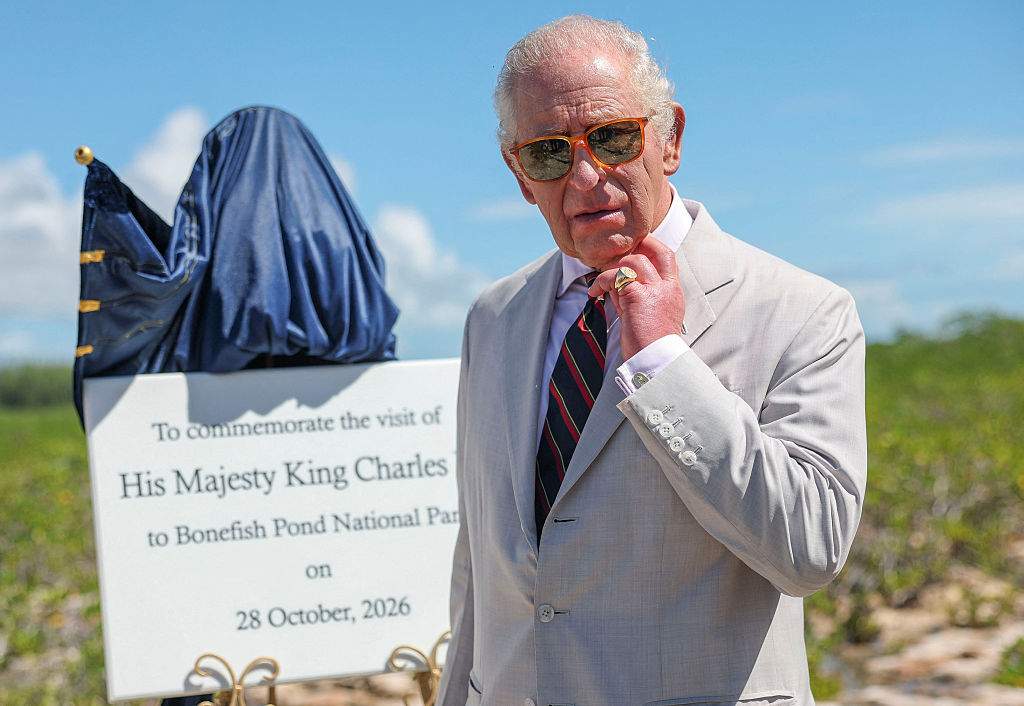
From October 28 2026 through early November, King Charles III made a nine-day Caribbean visit to the Bahamas, Guyana and Antigua and Barbuda. He was welcomed in the Bahamas by Governor-General Dame Cynthia A. Pratt and Prime Minister Philip Davis and addressed a youth rally at Clifford Park before travelling to Guyana for a two-day state visit and then joining Queen Camilla at the Commonwealth Heads of Government Meeting (CHOGM) in Antigua and Barbuda (Nov 1-4). While the itinerary highlighted climate resilience and cultural exchange, Caribbean leaders and civil-society groups repeatedly demanded a formal apology and reparations for Britain’s role in the transatlantic slave trade.
Watch
Related reporting
ex
I want to see the UK to rejoin the EU in my lifetime, Burnham says
02
Historical Context and International Momentum
CARICOM’s 10-point plan places a “full and formal apology” at the top. In March 2026, the UN General Assembly adopted a resolution describing the transatlantic slave trade as the gravest crime against humanity, with 123 states voting in favour. CARICOM’s reparations commission, chaired by Professor Hilary Beckles, frames the issue as “proprietary justice” under international law. Campaigners describe the upcoming CHOGM as the “reparations CHOGM,” although reparations are not on the official agenda.
Visual evidence
Images from the story


03
Quantifying the Legacy
- The Transatlantic Slave Trade Database records at least 12.5 million Africans forcibly transported; Britain moved roughly 3.2 million.
- A 2023 Brattle Group study estimated total economic damage from slavery at US$100-130 trillion, with Britain’s share about US$24 trillion.
- Jamaica’s petition to the Judicial Committee of the Privy Council seeks legal clarification on Britain’s liability; a hearing is set for March 2027.
04
Government and Royal Positions
The British government has ruled out a formal apology or financial reparations, saying such decisions rest with elected officials.
05
Critics and Opposition Voices
- Rasheed Griffiths, a Barbadian economist, dismissed the reparations push as “externalizing Caribbean leaders’ own failures.”
- Esther Stanford-Xosei, a reparations lawyer, warned that a formal apology could create a legal obligation for reparations, explaining royal caution.
06
Street-Level Reactions
James Knight of Citizens for Reparatory Justice organized demonstrations in Antigua, stating the protests aim to ensure the issue “cannot be dodged.”
07
Conflicting Statements and Gaps
- Burnham’s openness to an apology contrasts with the government’s longstanding refusal, creating a discrepancy between the prime minister’s personal stance and official policy.
- While the King has pledged to “acknowledge” past suffering, Caribbean leaders continue to demand a “full and formal apology” and concrete reparatory measures.
- No definitive timeline has been provided for financial reparations, leaving the outcome of CHOGM discussions uncertain.
08
Verbatim Quotes
- “We know that some of what is best in Bahamian culture today, the most joyful, the most hopeful, the most bright, was born out of darkness,” — King Charles
- “This is the meeting of the Commonwealth in the Caribbean, and the number one item in the Caribbean as far as this gathering is concerned is reparatory justice,” — Hilary Beckles
- “I’m sure at the end of this meeting, there will be something more advanced going forward because it is not an issue that they are going to be able to dodge.” — James Knight
09
Upcoming Summit Agenda
CHOGM in Antigua and Barbuda (Nov 1-4 2026) will feature climate, trade and development talks, but Caribbean delegations have signalled that reparations and the legacy of slavery will dominate informal side meetings. The CARICOM reparations commission plans to present its 10-point manifesto, and the Privy Council hearing on Jamaica’s petition will proceed in March 2027. The outcomes will shape the United Kingdom’s future engagement with its former colonies on historical justice.