
Full Breakdown
Standoff Over Poland’s Constitutional Tribunal: Suspension, Police Deployment, and Political Fallout
By Drooid · · How we work
In this breakdown
01
Core Event
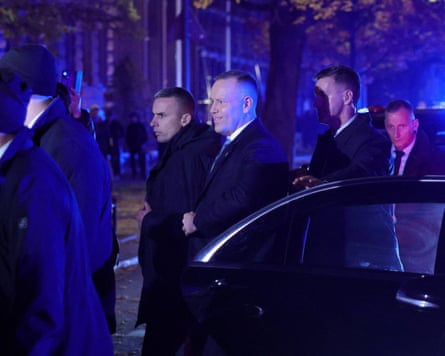
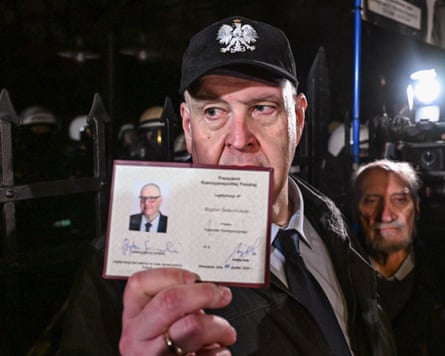
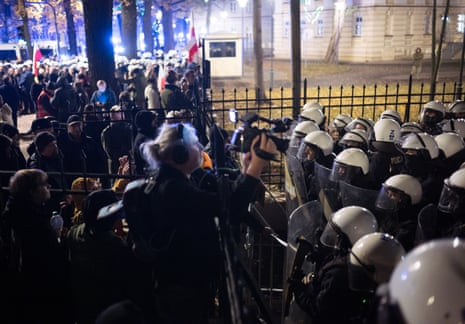
On October 30, 2026, judges appointed by Prime Minister Donald Tusk’s coalition announced the suspension of Constitutional Tribunal (TK) President Bogdan Swieczkowski and Vice-President Bartlomiej Sochanski for one month. The tribunal’s X account called the move a “coup d’état” and said Anna Korwin-Piotrowska, the longest-serving judge, had assumed temporary leadership. Riot police surrounded the tribunal, and President Karol Nawrocki, returning from Senegal, landed in Warsaw.
02
Background & Context
Poland’s 15-member Constitutional Tribunal has been contested since the Law and Justice (PiS) party’s 2015-2023 rule. PiS-appointed judges were later deemed “improper” by the ECHR and the EU Court of Justice, prompting EU criticism of the tribunal’s independence.
When Tusk’s coalition took power in 2023, it pledged to depoliticise the judiciary. The new parliament filled eight vacant seats, but President Nawrocki—aligned with PiS—refused to swear in five of those judges, citing procedural concerns. Those judges held separate swearing-in ceremonies in parliament, which the tribunal’s existing leadership rejected.
Visual evidence
Images from the story
03
Timeline
Swipe across the table to see all columns.
| Date | Event |
|---|---|
| 2023 | Tusk’s coalition assumes office; begins appointing new TK judges. |
| 2025 | Karol Nawrocki elected president; continues to block swearing-in of five judges. |
| Oct 14, 2026 | Justice Minister Waldemar Zurek submits motions to lift immunity of Swieczkowski and Sochanski (source: NotesfromPoland). |
| Oct 30, 2026 | Government-appointed judges suspend Swieczkowski and Sochanski; police deploy; Nawrocki returns from Senegal. |
| Oct 31, 2026 | Police stand guard outside the tribunal (source: CNN). |
04
Data & Statistics
- Seven judges appointed in 2026 entered the building under State Protection Service escort.
- Three protesters were detained after breaching the fence.
- Four of the five immunity-lifting requests target Swieczkowski; one targets Sochanski (source: CNN, NotesfromPoland).
05
Official Statements & Responses
- Donald Tusk, Prime Minister, posted on X: “Restoring the rule of law is our duty. After years of Law and Justice’s lawlessness, this is a difficult, sometimes painful process that requires decisive action. There is no other way.”
- Karol Nawrocki, President, wrote on X: “At a moment like this, the President must be in Poland.”
- Anna Korwin-Piotrowska told TVP she suspended Swieczkowski for blocking newly elected judges and for procedural irregularities.
- Weronika Scibor, tribunal spokeswoman, confirmed that seven judges entered via a gate from the prime minister’s chancellery, while Sochanski was denied entry.
06
Criticism & Opposition
- Marcin Matczak, constitutional-law scholar, called the legal basis for the suspension “non-existent for a million reasons.”
07
On-the-Ground Reports
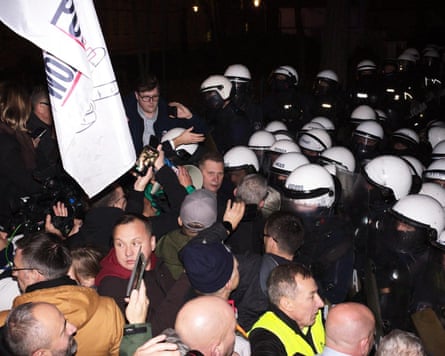
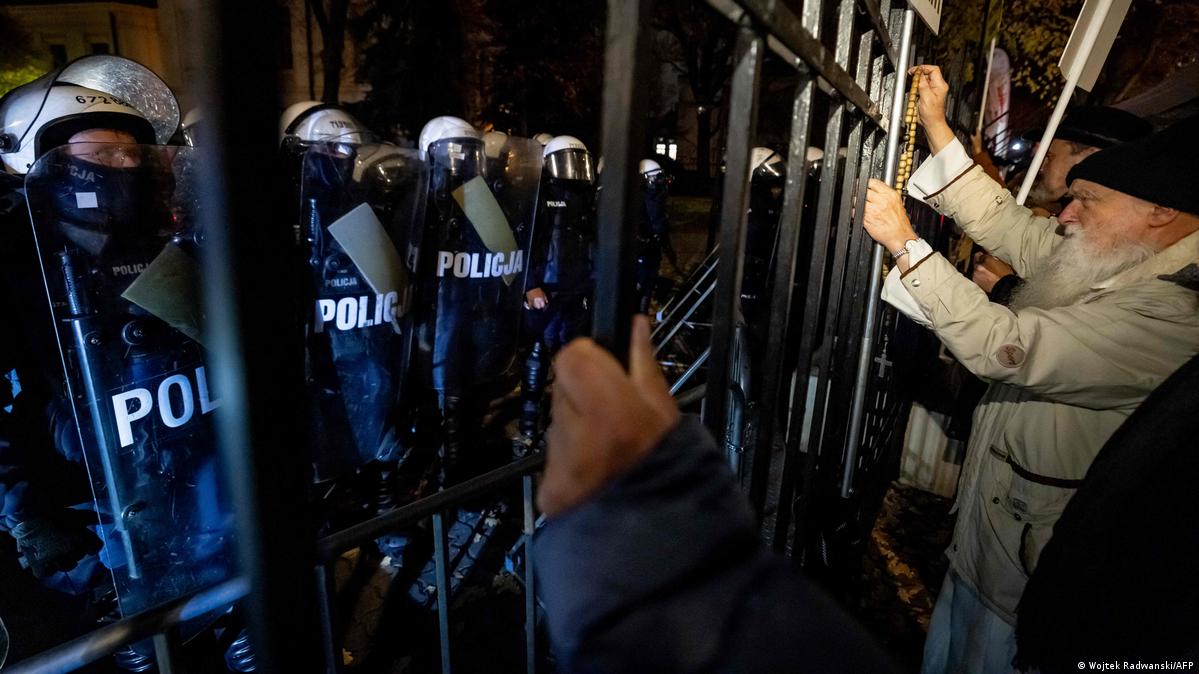
Police erected barriers and deployed riot units around the tribunal. Protesters, many affiliated with PiS, shouted “Tusk traitor” and attempted to breach the fence; three were arrested. Swieczkowski’s supporters cut through a chain securing a side gate, but police prevented his entry.
08
Conflicting Reports & Gaps
- Legal authority: The tribunal’s website cited Article 130 of the law on common courts as the basis for the suspension, yet experts argue the justice minister’s oversight does not extend to the Constitutional Tribunal.
- ECHR order: Swieczkowski claimed the European Court of Human Rights had no authority over judge appointments, while the ECHR had previously ordered that judges be allowed to assume their positions. The tribunal’s statement did not clarify the legal provision justifying the suspension.
09
What’s Next
- Justice Minister Zurek’s immunity-lifting requests remain pending; their outcome will determine whether criminal proceedings can commence against Swieczkowski and Sochanski.
- Upcoming parliamentary elections may intensify pressure on both the Tusk government and the PiS opposition regarding the judiciary’s future.