
Full Breakdown
Yemen’s war leaves families of fallen fighters in deeper poverty and grief
By Drooid · · How we work
In this breakdown
01
The human toll of recent funerals
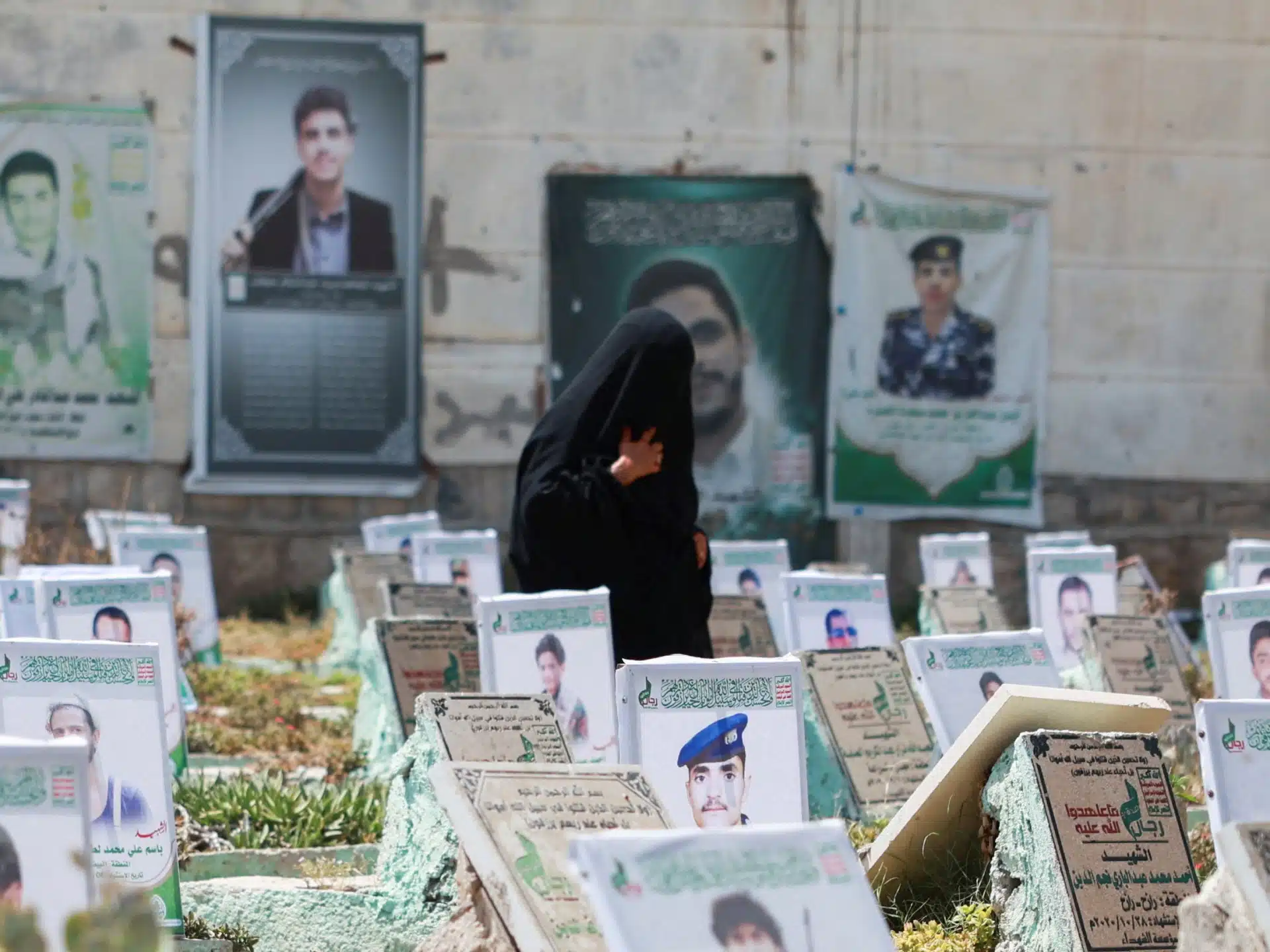
Pick-ups carrying the bodies of Houthi fighters wind through Sanaa, accompanied by gunmen and the chant “Our martyrs are our greats.” At cemeteries, mourners pay respects while the conflict rages elsewhere. In the weeks leading up to October 10, the Yemeni government reported that its forces had killed or wounded 1,540 Houthis in 24 hours and, since October 5, 16,100 Houthi operatives and commanders have been killed or wounded. The Houthis have killed hundreds of pro-government troops, including more than 70 soldiers in an October 19 missile attack on a security camp in Shabwa. These rising casualties have turned funerals into a recurring sight, leaving families to shoulder the aftermath.
Watch
Related reporting
brightcove
Fighting rages near Yemen’s Taiz as UN urges humanitarian access
brightcove
US-Iran war, then and now: How the landscape has changed since February
brightcove
Houthis strike Yemen’s Aden: What that means
02
Background: escalation and its effects
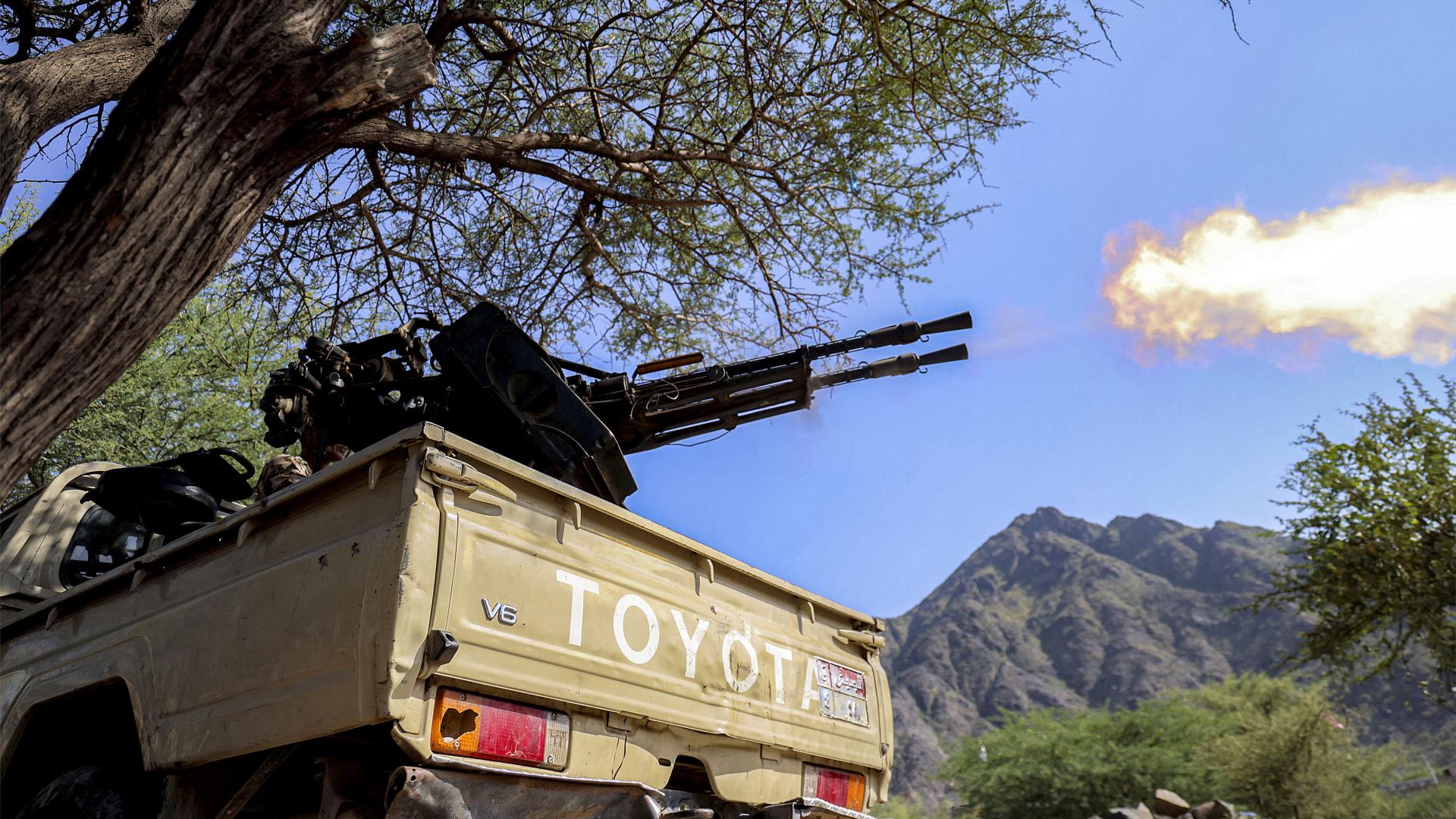
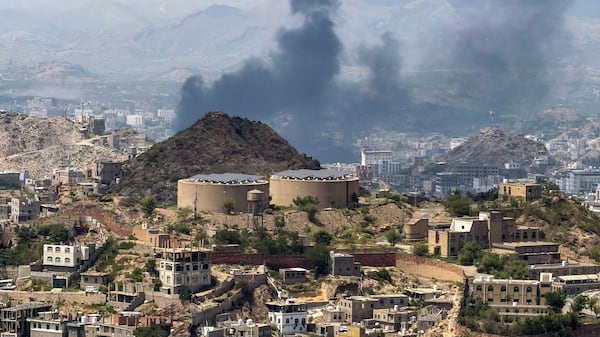
The fighting intensified in early September when the Iran-aligned Houthi group launched a major offensive to seize government-held western districts. The group, which seized Sanaa in September 2014, now controls large parts of northern and western Yemen, while Saudi-backed government forces push back in the south. The World Food Programme’s Assistant Executive Director for Programme Operations, Matthew Hollingworth, warned that the latest escalation “threatens to be absolutely devastating” for food security.
Visual evidence
Images from the story



03
Data on food insecurity and child impact
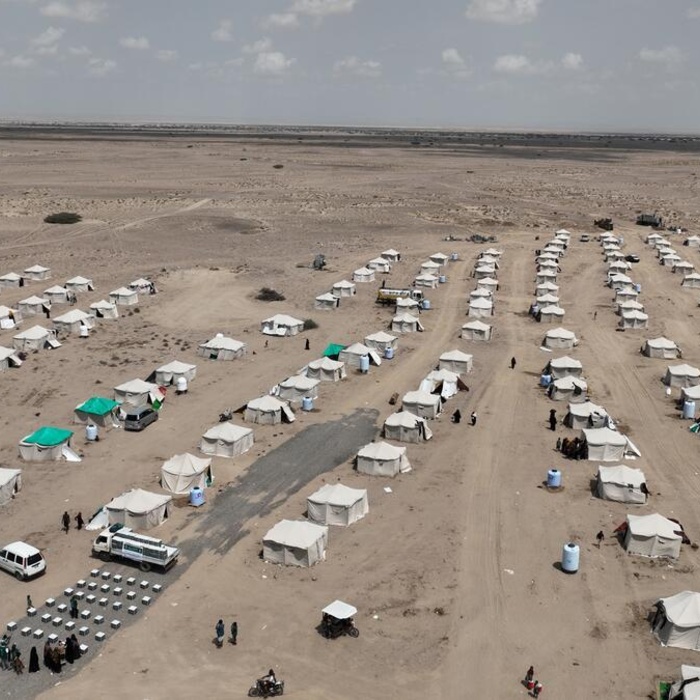
According to the World Food Programme, 18.3 million people across Yemen face severe food insecurity and 2.2 million children under five suffer acute malnutrition. The United Nations secretary-general’s 2025 report, dated June 16 2026, documented the verified recruitment and use of 262 children in Yemen during 2025.
04
Economic hardship for bereaved families
Families of the dead receive irregular assistance. In Houthi-controlled north-western Yemen, petrol and diesel prices have risen by 10 percent, pushing up the cost of basic goods. Houthi authorities provide food baskets containing flour, oil, rice and sugar, but distribution is sporadic.
05
Official statements & responses
- Ali Mohammed, a Houthi representative in Sanaa, told Al Jazeera that “martyrs today are too many and their families deserve due support. Assistance is distributed so that every family gets some.”
- Matthew Hollingworth (World Food Programme) warned of an expanding hunger crisis.
06
Criticism of public martyr rituals
Critics argue that such displays do not alleviate families’ suffering; the social, psychological and financial burdens remain theirs to bear.
07
Verbatim quotes
- “The martyrdom of my brother, Abdulaziz, on October 10 broke us and robbed us of peace of mind.” — Akram, 23, Sanaa
- “When it comes to paying the fees for water, electricity, or buying groceries, it does not matter if your relative is a martyr or not. You have to pay or starve to death.” — Akram, journalist
- “We are looking at a hunger crisis that is going to grow as it persists.” — Matthew Hollingworth
- “Martyrs today are too many and their families deserve due support.” — Ali Mohammed
- “This practice reflects the normalisation of violence and encourages children to risk their lives.” — Adel Dashela
These voices illustrate the personal grief, economic strain, and broader humanitarian concerns that accompany each funeral in a war that shows no sign of abating.