
Full Breakdown
Poland Selected to Host New European PAC-3 Missile Maintenance Facility
By Drooid · · How we work
In this breakdown
01
Core Announcement
On October 27 2026 the United States announced that Poland will host a new European maintenance, repair and overhaul (MRO) center for Patriot Advanced Capability-3 (PAC-3) interceptors. The facility will provide regional sustainment for the U.S.–made missiles used by NATO allies on the alliance’s eastern flank.
02
Background & Context
The decision follows a series of NATO-wide efforts to strengthen conventional air-defence capabilities amid heightened tensions with Russia. Poland has been expanding its Patriot inventory since signing a roughly $4.75 billion contract in March 2018 for two Configuration 3+ batteries, with a second phase launched in May 2022 that requested six additional batteries. The first two batteries achieved full operational readiness in December 2025.
European partners have also pursued local production options. In late 2024, Germany, the Netherlands and Spain began constructing a plant in southern Germany to produce over 1,000 PAC-2 interceptors for NATO allies, a project valued at nearly $6 billion.
Visual evidence
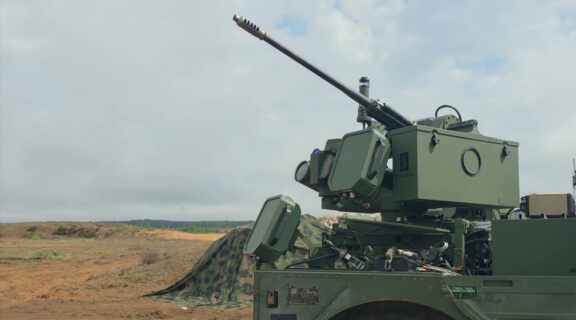
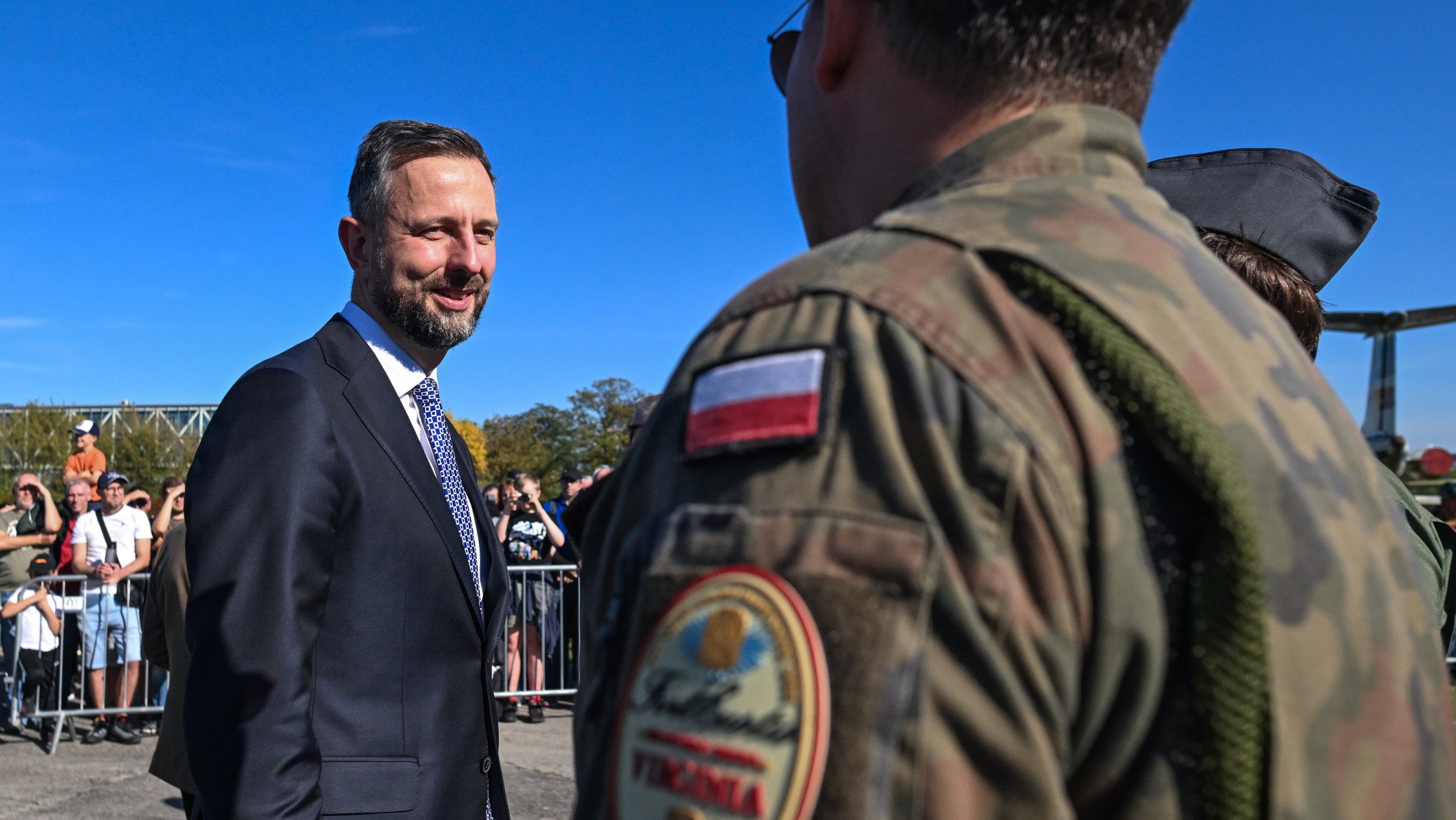
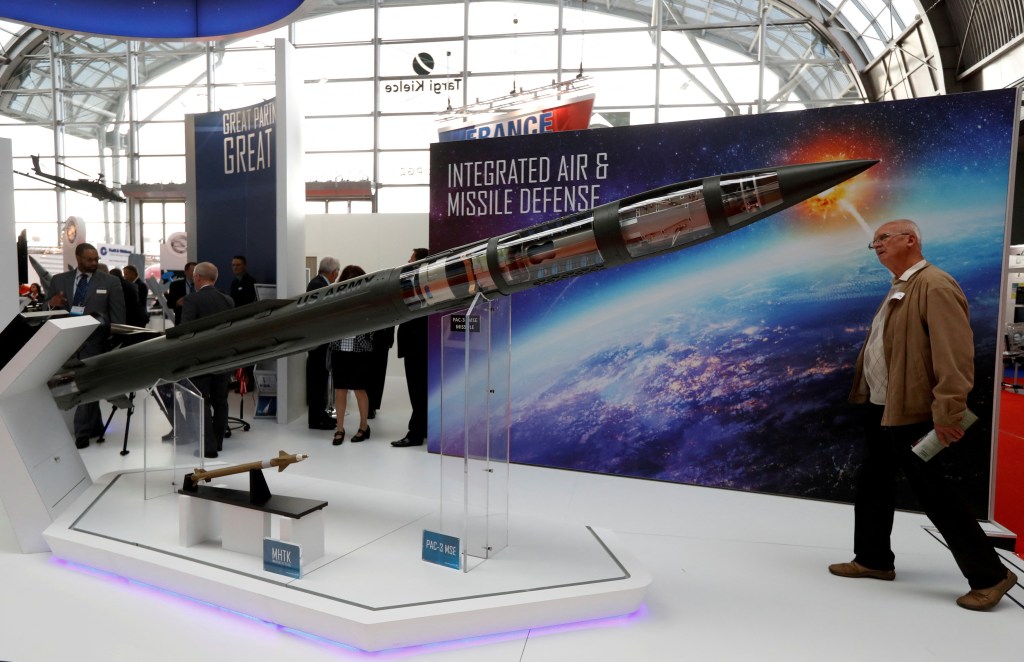
Images from the story

03
Timeline
- March 2018 – Poland signs contract for two PAC-3 Configuration 3+ batteries.
- May 2022 – Poland requests delivery of six more Patriot batteries.
- December 2025 – First two batteries reach full operational readiness.
- September 2026 – Poland proposes hosting a Patriot missile plant under a U.S. license.
- July 24 2026 – Deputy Defense Minister Magdalena Sobkowiak-Czarnecka proposes a trilateral framework with the United States and Ukraine for interceptor production.
- October 27 2026 – U.S. announces Poland as host for the European PAC-3 MRO facility.
04
Data & Statistics
- Contract value (2018): ? $4.75 billion for two PAC-3 batteries.
- Additional request (2022): Six Patriot batteries and related equipment.
- German production plant (2024-2025): ? $6 billion investment to build over 1,000 PAC-2 interceptors.
- Competing bidders: Poland, Germany, the Netherlands and Norway.
05
Official Statements & Responses
- Pentagon undersecretary for acquisition and sustainment Michael Duffey emphasized that the investment “puts partnership into action” and signals a united, deterrent-focused alliance on NATO’s Eastern Front.
- was essential.
- Defense Minister Wladyslaw Kosiniak-Kamysz had earlier indicated, via a July social-media post, that Poland would be part of an agreement to bring a PAC-3 servicing facility to Europe, though the exact location was then unclear.
06
Verbatim Quotes
- “By investing national resources to establish this critical sustainment capability on NATO’s Eastern Front, Allies are sending a clear message: the Alliance is united, serious about deterrence, and ready to back our words with action,” — Michael Duffey, pentagon acquisition chief
07
Why It Matters
The Polish hub is expected to “dramatically shorten turnaround times” for PAC-3 interceptors, reducing reliance on transatlantic shipments and enhancing rapid surge capacity during crises. Integration of critical supply-chain elements from Germany, the Netherlands and Sweden aims to reinforce collective deterrence along NATO’s eastern border, particularly as Ukraine continues its conflict with Russia.
08
Conflicting Reports & Gaps
Some sources initially suggested the new European site might include missile manufacturing, but the Pentagon clarified that the facility will focus solely on maintenance, repair and overhaul, not on production of new PAC-3 interceptors. No further details on the facility’s exact capacity or timeline for operational readiness have been disclosed.