
Full Breakdown
12th BRICS Parliamentary Forum in New Delhi Issues Joint Declaration on West-Asia Tensions, Terrorism and UN Reform
By Drooid · · How we work
In this breakdown
01
Core Event
Parliamentary leaders from the eleven BRICS member states and ten partner nations gathered at India’s Parliament House on October 26-27 2026 for the 12th BRICS Parliamentary Forum. Chaired by Lok Sabha Speaker Om Birla, the two-day meeting concluded with a joint declaration that expressed deep concern over the escalation of hostilities in West Asia, condemned the April 22 2025 terrorist strike in Pahalgam, reaffirmed support for a two-state solution to the Israeli-Palestinian conflict, denounced unilateral economic sanctions as unlawful, and called for comprehensive reform of the United Nations Security Council.
02
Background & Context
BRICS, a grouping of Brazil, Russia, India, China, South Africa and, since 2023, several emerging economies, rotates its parliamentary chairmanship. India held the 2026 chair and hosted the forum under the theme “Fostering Parliaments for People-Centric Development.” The gathering took place amid heightened tension between Saudi Arabia and Houthi forces and the April 22 2025 attack in Jammu and Kashmir’s Pahalgam that killed 26 people. Earlier in the week, Iranian parliamentary speaker Mohammad Baqer Ghalibaf cancelled his visit, citing “unforeseen circumstances” linked to the transport of Indian medicines to Tehran.
Visual evidence
Images from the story

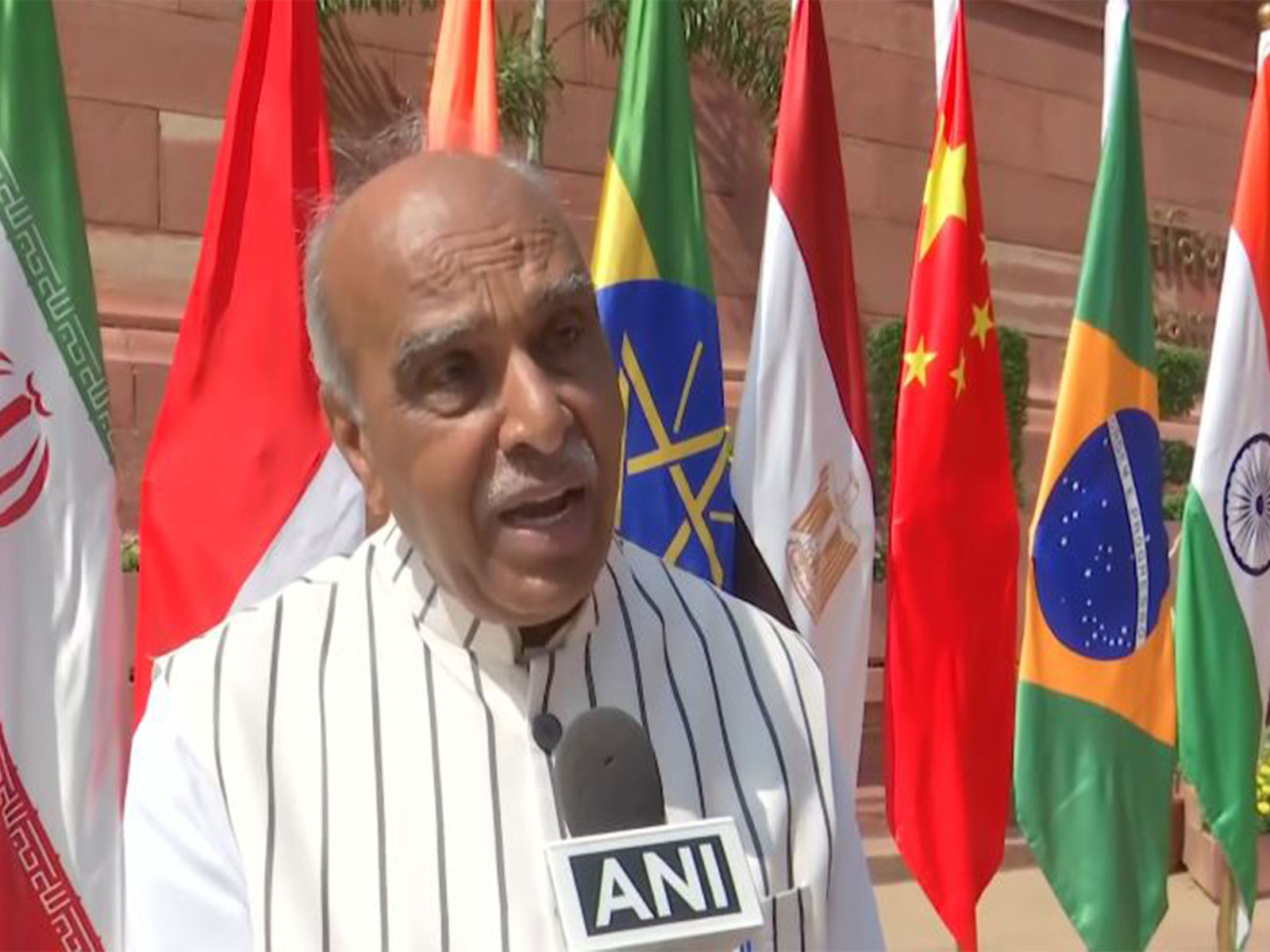
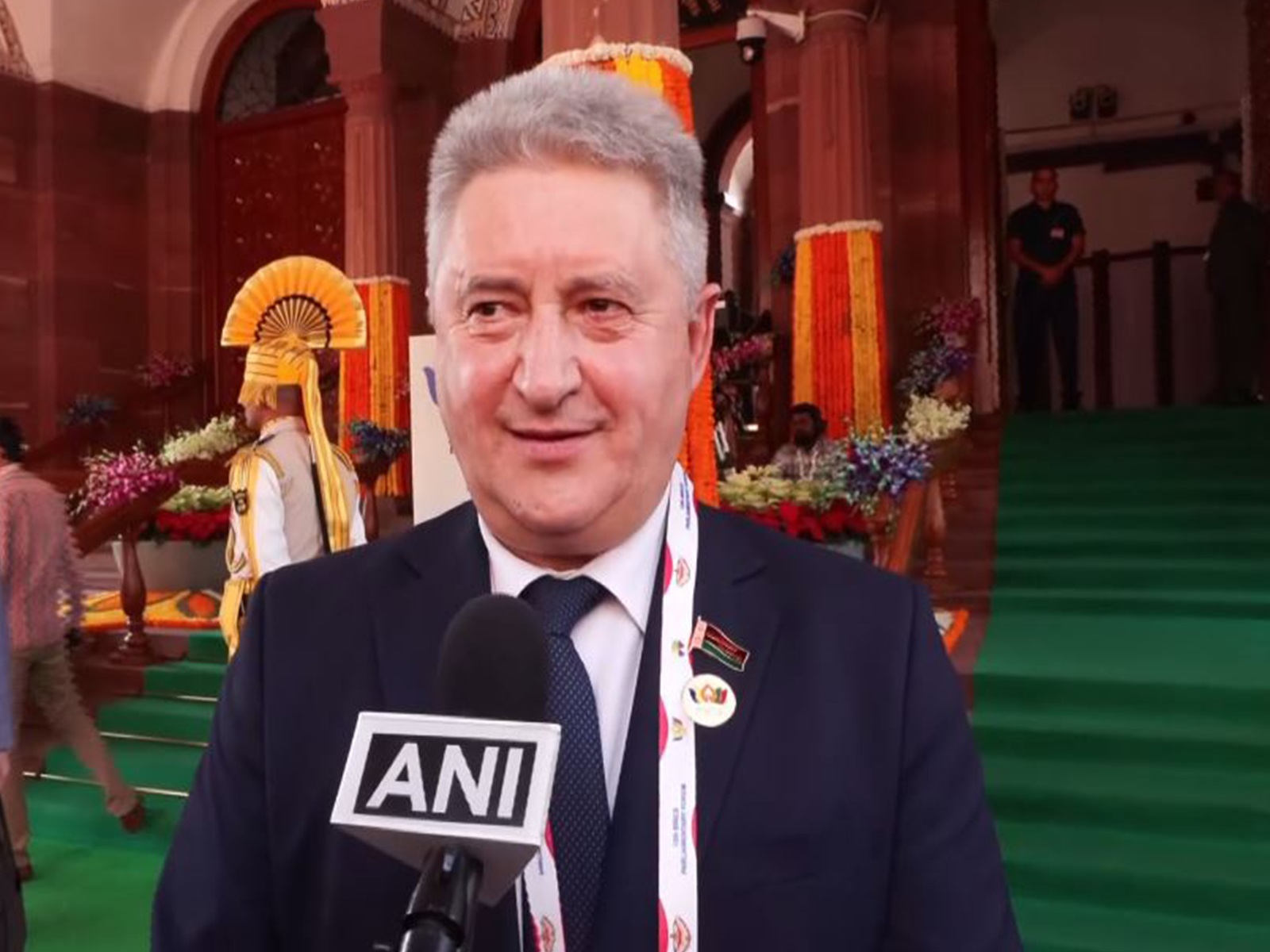
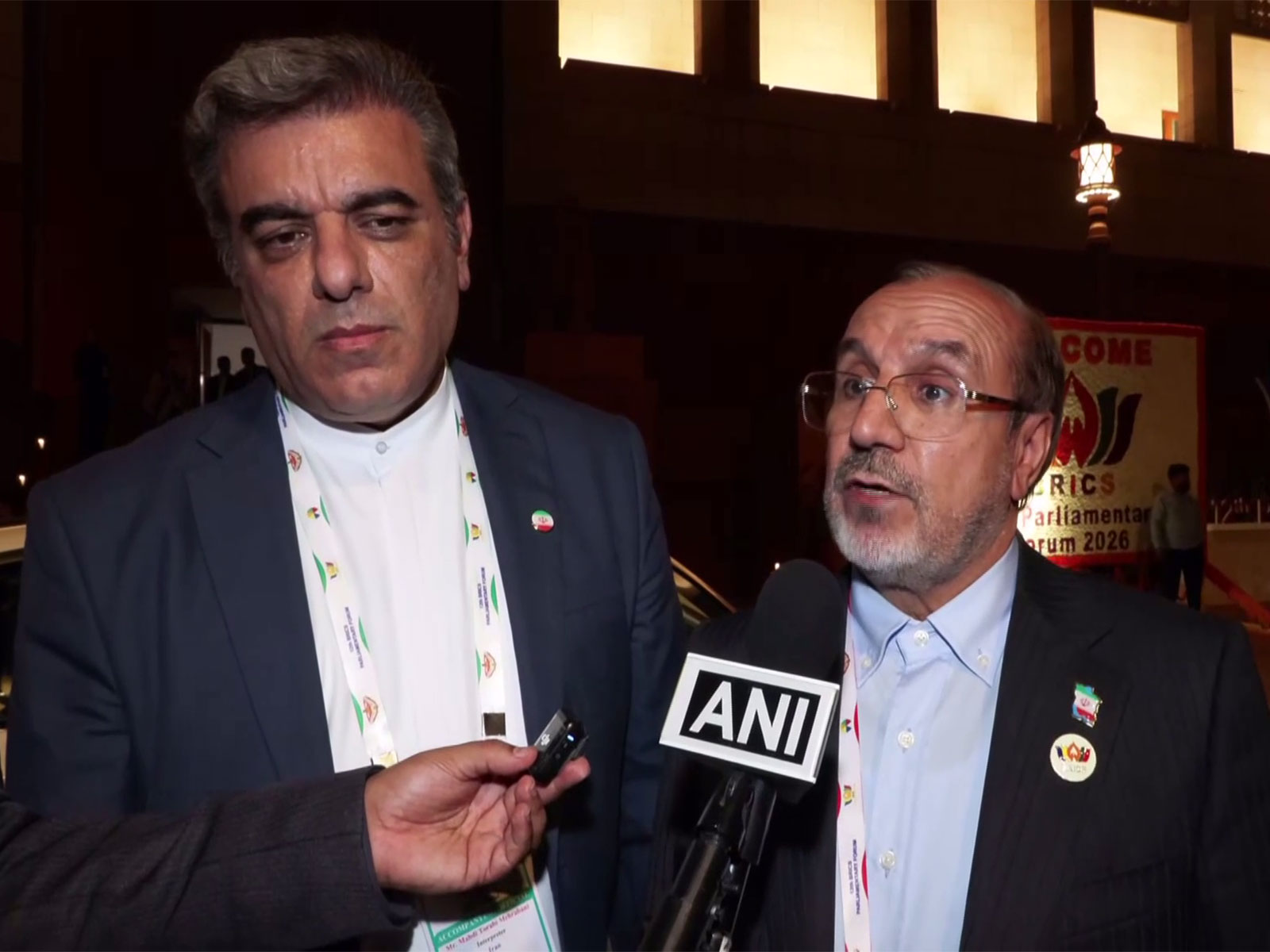
03
Data & Statistics
- 26 people were killed in the April 22 2025 Pahalgam attack.
- Around 160 countries recognise Israel, a figure cited by a UAE delegate.
04
Official Statements & Responses
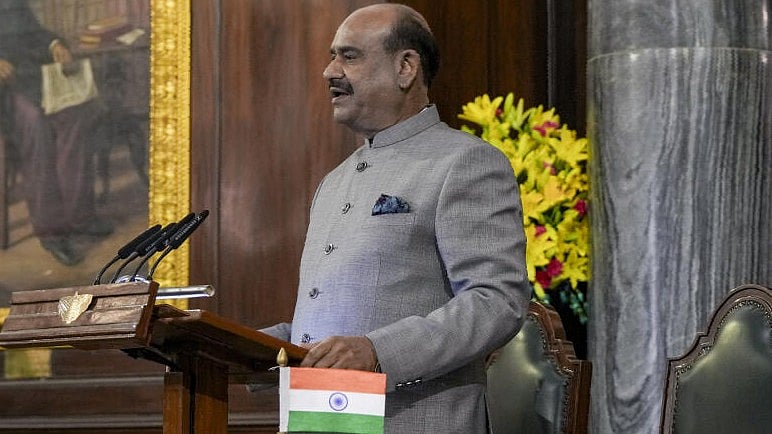
Lok Sabha Speaker Om Birla framed the forum as a platform for “transparent, citizen-centric institutions” and urged parliaments to translate dialogue into concrete outcomes, highlighting India’s commitment to UN reform and “zero tolerance for terrorism.”
UAE Defence Affairs Committee Chairman Ali Rashid Al Nuaimi called for the restart of negotiations toward a two-state solution, noting the reality of Israel’s recognition by the international community.
The joint declaration condemned “unilateral coercive measures” and “unilateral economic sanctions” as contrary to international law, while urging maximum restraint in West Asia and reaffirming the right of the Palestinian people to self-determination.
05
Verbatim Quotes
- “Around 160 countries recognise Israel, and it is a reality in the region. But the tragic situation has shown that the Palestinian state is needed. With this in mind, we need to restart the negotiation for a two-state solution,” — Ali Rashid Al Nuaimi
- “Parliaments must evolve into transparent, citizen-centric institutions to safeguard public trust. Responsible technology and AI can significantly empower Parliaments and enhance lawmaker efficiency,” — Om Birla
06
Conflicting Reports & Gaps
Two explanations have been offered for Ghalibaf’s absence. The Iranian embassy said “unforeseen circumstances” related to temperature-sensitive medicines prevented his travel, emphasizing that humanitarian aid should not be subject to sanctions. Indian officials suggested the cancellation was not linked to the medicine issue and hinted at broader “bottlenecks” caused by U.S. Treasury sanctions on Iranian airlines. The precise cause remains unverified.
07
What’s Next
The joint declaration endorsed upcoming reform of the United Nations Security Council and called for a “more just, equitable, democratic” multilateral system. India will hand over the BRICS parliamentary chairmanship to China for the 2027 forum, where discussions on UN reform, counter-terrorism cooperation and digital-public-infrastructure initiatives will continue.