
Full Breakdown
Canada-EU Montreal Summit: Negotiating “Ever Closer Association” Amid Terminology Dispute and Quebec’s Exclusion
By Drooid · · How we work
In this breakdown
01
Core Event
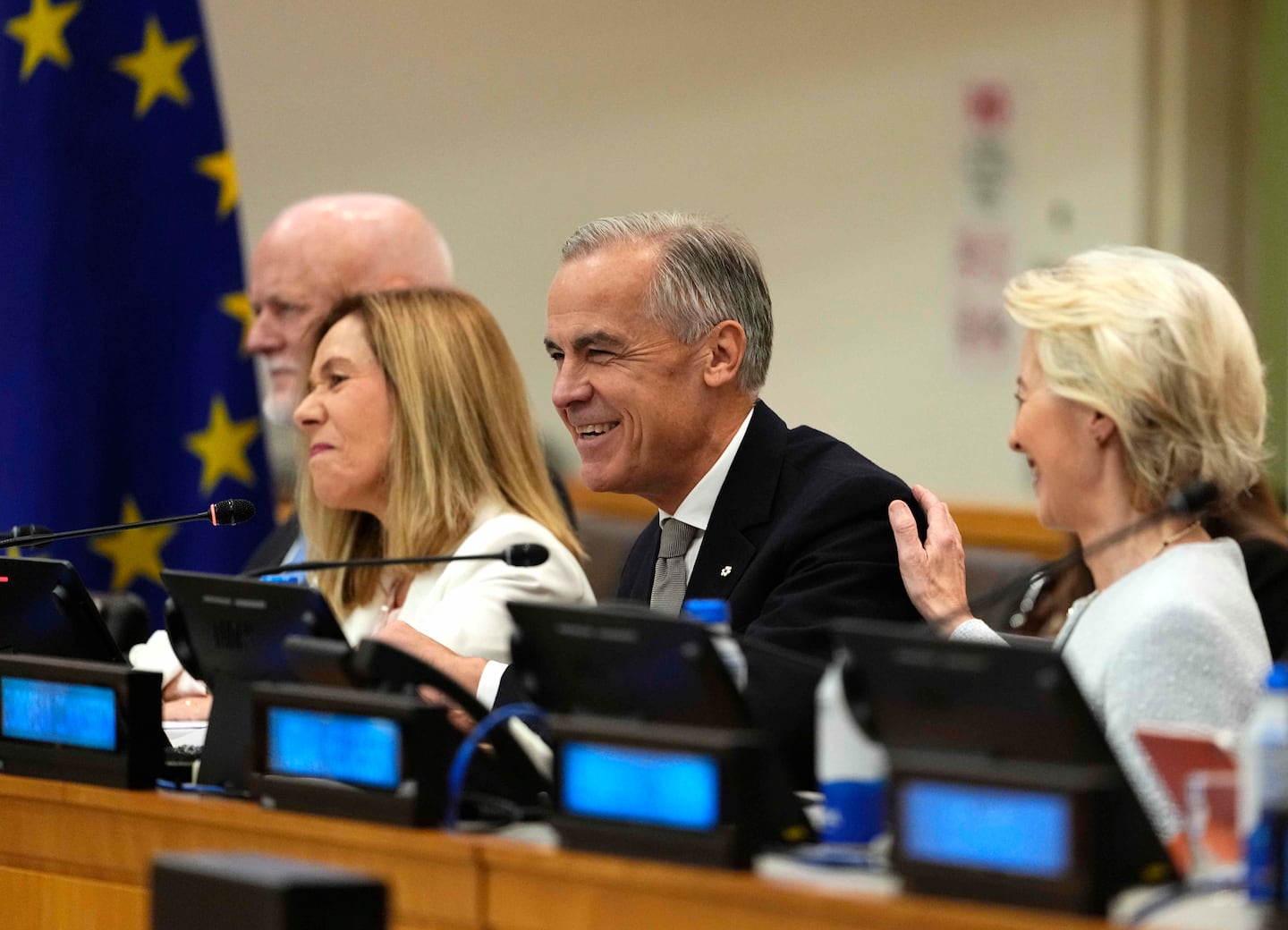
The 21st Canada-EU summit takes place in Montreal on October 29-30, 2026. Prime Minister Mark Carney hosts European Commission President Ursula von der Leyen, European Council President Antonio Costa, and senior EU officials. The two-day meeting will launch a year-long negotiation track covering trade, digital security, critical minerals, defence, artificial intelligence and energy. A key dispute is the proposed “associate-member” label for Canada, which does not exist in EU treaties.
Watch
Related reporting
brightcove
Why does Canada want to join the Europe-led JEF military partnership?
02
Background & Context
Canada and the EU are linked by CETA, provisionally applied since 2017. In response to U.S. tariffs under President Donald Trump, Carney has pursued diversification for Canadian exporters. In September 2026, von der Leyen raised the possibility of Canada becoming the EU’s first “associate member,” sparking internal EU debate.
Visual evidence
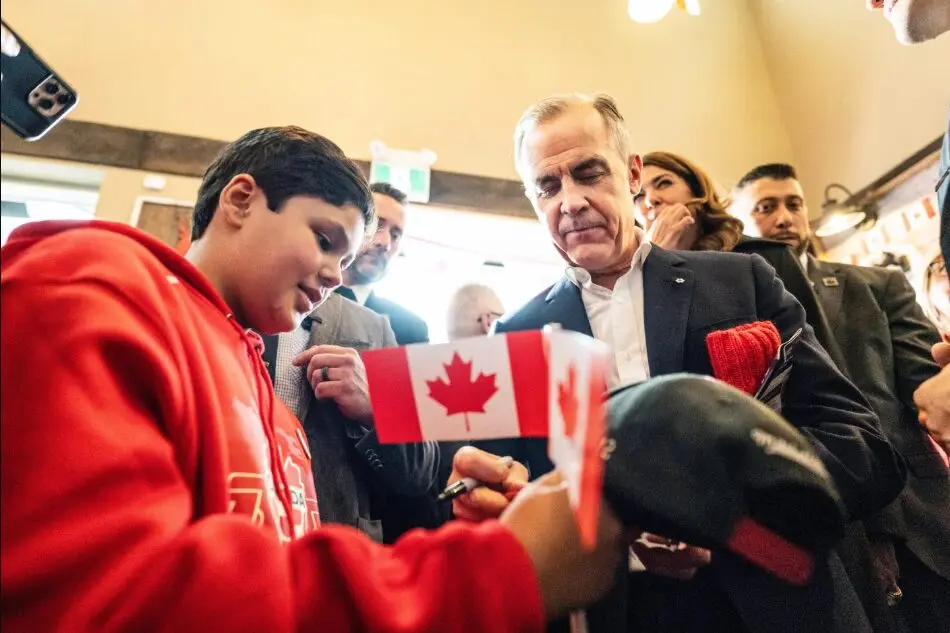
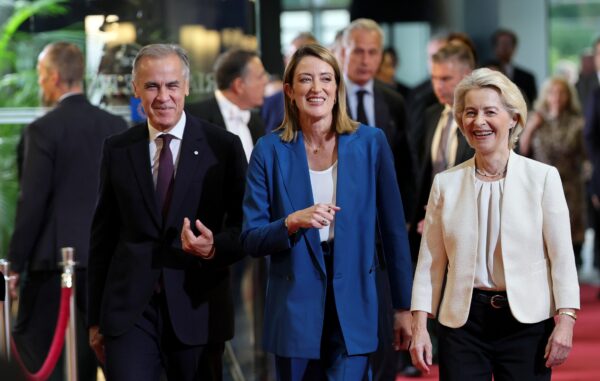
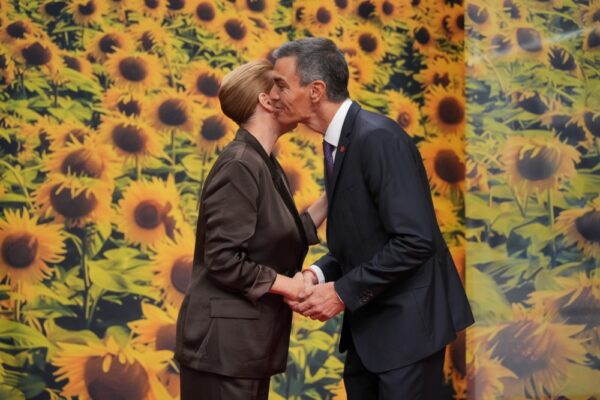
Images from the story



03
Timeline
- Oct 27, 2026 – EU diplomats report a split over the “associate-membership” wording; Germany leads opposition.
- Oct 28, 2026 – Draft joint declaration removes the associate-membership reference and adopts “ever closer association.”
- Oct 29-30, 2026 – Summit; leaders issue a final joint statement and begin formal talks for the next year.
04
Data & Statistics
- The EU is Canada’s second-largest trading partner, accounting for about 9 % of Canada’s total trade in 2025 (? US$127 billion).
- CETA eliminates duties on up to 99 % of imported goods between the two sides.
05
Official Statements & Responses
- European Council President Costa described the partnership as an “Alliance for the Future.”
- Quebec Premier Paul St-Pierre Plamondon protested the federal decision to deny him a speaking slot, citing Quebec’s negative trade balance with the EU.
- Federal Industry Minister Mélanie Joly asserted that geopolitics, including the summit, fall under federal jurisdiction, a point contested by Quebec Conservative leader Éric Duhaime.
06
Criticism & Opposition
- Quebec: Plamondon and the Parti Québécois argue that exclusion undermines provincial sovereignty and economic interests.
- EU: Germany, Italy, Greece and France objected to the “associate-member” term, warning it lacks legal basis. German diplomats called the term a “red line” that needed removal.
07
Conflicting Reports & Gaps
- CBC reported the term “associate member” was fully removed from the draft, while Bloomberg noted earlier drafts still contained it and that final wording remained under negotiation on summit day.
- The practical implications of “ever closer association” are undefined; officials say sector-by-sector agreements will be fleshed out through the 2027 summit, but no concrete milestones have been published.
08
Verbatim Quotes
- “The good news is it doesn't matter about specific names or nomenclature,” — Mark Carney
- “We’re not talking about free movement of labour between Europe and Canada. But what we are talking about is, in some specialized areas, it may be actually interesting and useful for both countries to have the ability to tap into labour pools,” — Jonathan Wilkinson
- “I invite the Canadian prime minister to reverse his decision,” — St-Pierre Plamondon
09
What’s Next
The joint declaration issued on October 29, 2026 will set the agenda for a twelve-month negotiation track, with a follow-up summit in 2027 to finalize the “ever closer association.” Both sides have indicated priority items such as digital trade, critical-minerals stockpiling and expanded participation in EU programmes like Erasmus+. Quebec’s demand for a formal speaking role remains unresolved, and further federal-provincial talks are expected before the next summit.