
Full Breakdown
Syria Reopens Nasib Border Crossing with Jordan Amid Aftermath of Cross-Border Airstrikes
By Drooid · · How we work
In this breakdown
01
Background & Context
On October 23, gunmen opened fire during a funeral service at a Greek Orthodox church in Karak governorate, southern Jordan, killing nine worshippers and wounding dozens. Jordan’s authorities linked the attackers to the Islamic State (IS) and announced a retaliatory air campaign against suspected IS hideouts in Syria’s Daraa and Suwayda provinces. The strikes, carried out on the Monday preceding October 27, were presented by Jordan as “precision” operations aimed at neutralising imminent terrorist threats.
Watch
Related reporting
youtube
LIVE: Israel's election results
02
Core Event: Reopening of the Nasib Crossing
The main Nasib crossing (Jaber on the Jordanian side), Syria’s sole passenger and commercial gateway to Jordan, was closed after the airstrikes. Senior Syrian customs official Mazen Alloush told the state news agency Syrian Arab News Agency (SANA) that normal traffic resumed on October 28, with trucks and travelers once again moving freely.
Visual evidence
Images from the story


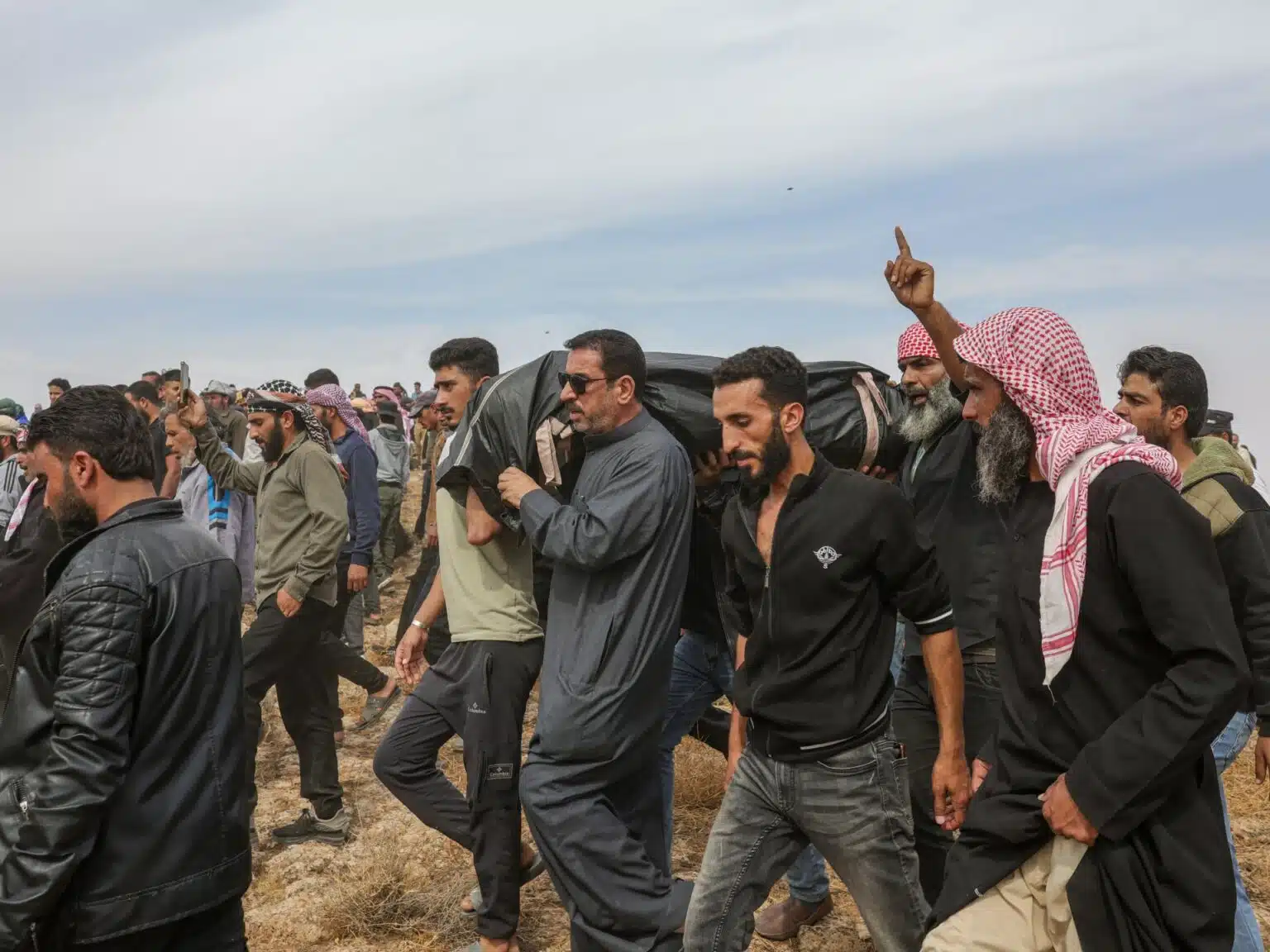
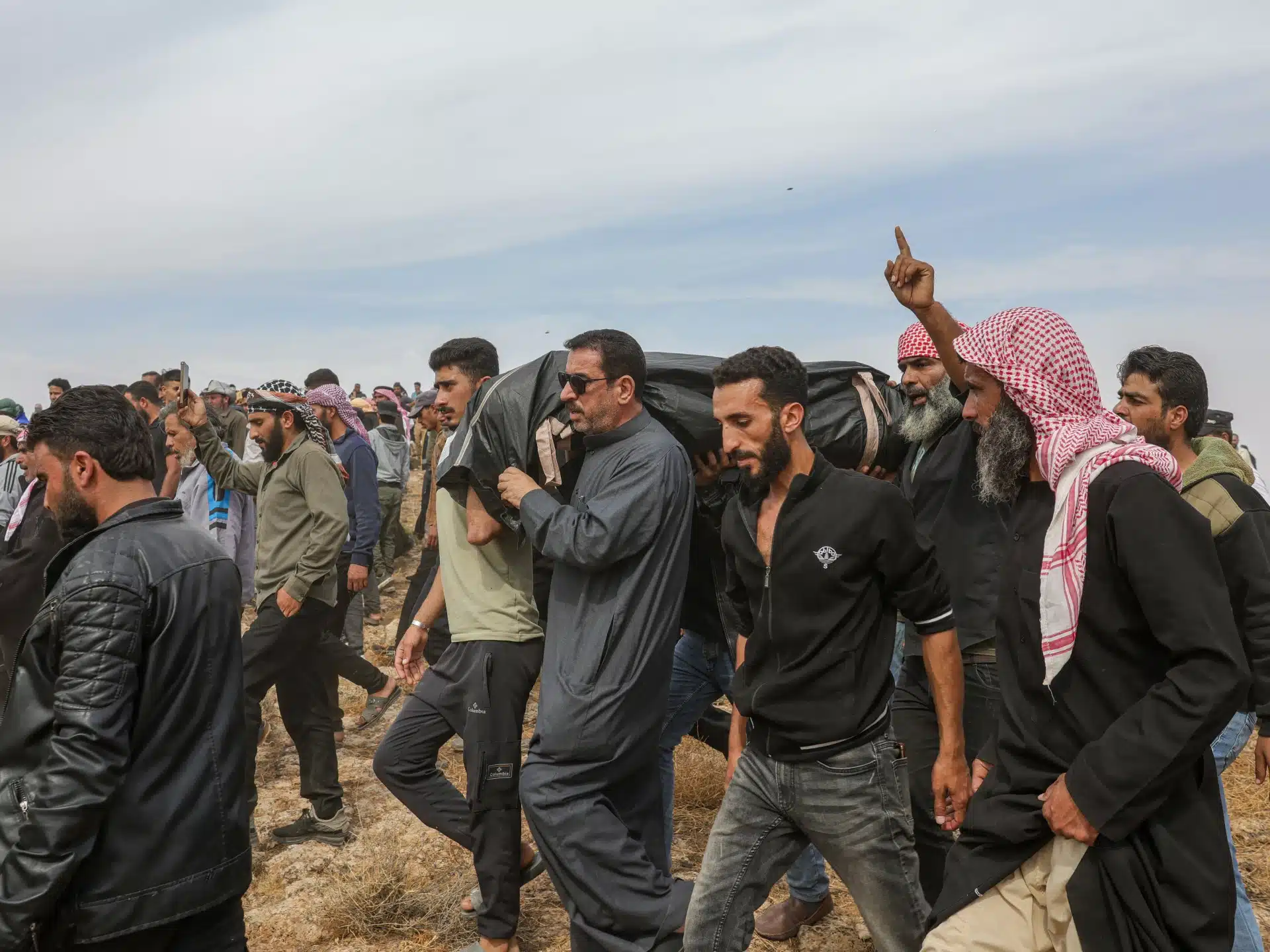


03
Data & Statistics
- Syrian authorities reported that the Jordanian raids killed seven people in Deraa and Suwayda, including three children and a woman. The Syrian Civil Defence confirmed these civilian deaths and noted injuries to four others.
- The church attack in Karak left nine dead and 34 wounded, according to Jordanian officials.
04
Official Statements & Responses
- Syrian Emergencies and Disaster Management Minister Raed al-Saleh said both sides were handling the dispute through “diplomatic and legal channels” to secure justice for the victims.
- Jordanian government spokesman Mohammad al-Momani highlighted the operational success against IS militants, while Jordanian Director of Public Security Major-General Obeidallah al-Maaytah later remarked that the arrested suspects “only represent themselves.”
05
Conflicting Reports & Gaps
- Casualty figures diverge: Jordanian officials claim more than 20 IS fighters were killed, whereas Syrian sources report seven civilian deaths, including children.
- Coordination claim: Jordan maintains the strikes were coordinated with Damascus; Syria denies any prior coordination and announced an investigation. No independent verification of either position is provided in the available sources.
06
On-the-Ground Reports
In the village of Al-Taf, Daraa province, resident Nassouh al-Salim described the impact of a missile strike that killed his mother, older brother and three nieces and nephews. An AFP reporter documented a large crater and debris littering the family home. Local resident Salah Mahwash recounted hearing aircraft overhead and seeing the aftermath of an explosion that destroyed a poor family’s home.
07
Verbatim Quotes
- “We vowed the terrorists would not escape punishment, and no proponent of dark ideologies that divide Jordanians will be tolerated,” — King Abdullah II
- “We were asleep when the missile hit us. My mother, my older brother and his three children – two boys and a girl – were killed,” — Nassouh al, jordan’s government spokesman
- “God willing, they only represent themselves,” — Jordan's Director
08
What’s Next
A joint Syrian-Jordanian security committee is scheduled to meet in the coming days to review the airstrikes, share intelligence, and develop coordinated field operations against remaining IS elements along the border. Both ministries indicated that the committee will also address mechanisms to prevent civilian casualties in future cross-border actions.