
Full Breakdown
JD Vance’s Letter to Iran’s Hard-Line Security Chief as Trump Warns Gulf Allies to Brace for Post-Midterm Strikes
By Drooid · · How we work
In this breakdown
01
Core Event: Vice President Vance Sends a Diplomatic Letter to Iran
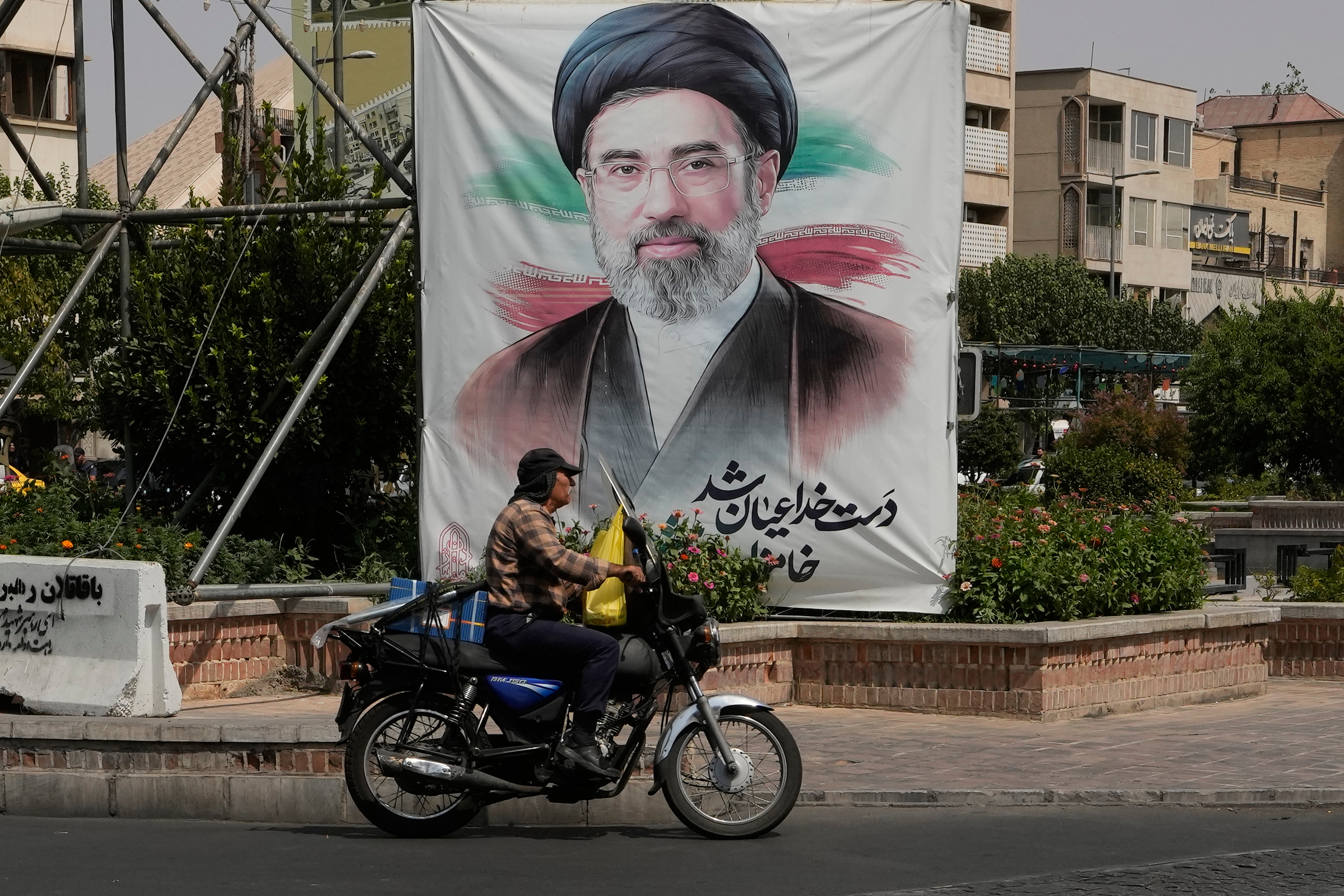
U.S. Vice President JD Vance transmitted a letter to Mohsen Rezaei, secretary of Iran’s Supreme National Security Council and former commander of the Islamic Revolutionary Guard Corps. The outreach, delivered through Qatari mediators, proposes that U.S. and Iranian officials meet soon, with Vance leading a U.S. delegation. Iranian officials described the letter as having been “received well,” and Rezaei is expected to issue a formal response later this week.
Watch
Related reporting
brightcove
What we know of Vance’s letter to Rezaei, as Trump warns Gulf to ‘prepare’
02
Background & Context
The conflict between the United States and Iran entered its eighth month after the launch of “Operation Epic Fury,” a joint U.S.–Israeli campaign targeting Iranian infrastructure. Earlier rounds of talks in June and April produced a short-lived memorandum of understanding that collapsed within weeks. President Donald Trump has repeatedly signaled the possibility of a new, brief, high-intensity strike after the U.S. midterm elections on November 3.
Visual evidence
Images from the story



03
Data & Statistics
- The Pentagon reported that the war has cost the United States $47.1 billion through October 16, with munitions accounting for more than 60 % of the total.
- Approximately 9,000 troops from the USS *Theodore Roosevelt* and amphibious landing ships have been deployed to the Persian Gulf, raising the regional U.S. presence to roughly 20,000 sailors and Marines and “hundreds of aircraft.”
- Brent crude futures rose 1.3 % to $115.32 per barrel, while U.S. West Texas Intermediate settled at $102.78 per barrel following reports of renewed strike preparations.
04
Official Statements & Responses
- A senior U.S. official confirmed that Vance’s letter was approved by President Trump before delivery, while the White House declined to comment further.
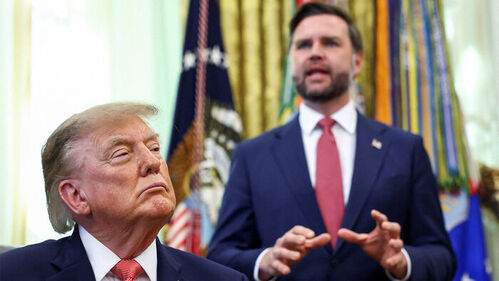
- President Trump said the outreach was primarily about “medical supplies and various things” and that he had given Vance “the go-ahead” to contact Tehran.
- International-crisis-group analyst Ali Vaez warned that the risk of renewed conflict is “dangerously high” with the November 3 elections potentially ending Trump’s political restraint.
05
Criticism & Opposition
- Ali Vaez contrasted Vance’s approach with Trump’s, noting that “Unlike Trump, who sees escalation as a source of leverage, Vance appears more attuned to its diminishing returns.”
06
Conflicting Reports & Gaps
- The Wall Street Journal reported that President Trump directed Vance to send the letter, whereas Trump later told reporters the initiative was solely about delivering medical aid and denied ordering a peace overture.
- The content of the letter has not been published; some sources say it outlines a “framework for negotiations,” while others emphasize the medical-supply angle. No public Iranian response has been released beyond the general statement that the letter was “received well.”
07
What’s Next
- Rezaei’s reply is slated for Thursday, which could determine whether a formal negotiation framework is established.
- U.S. officials have warned Gulf allies to prepare for a “short, intense” campaign after the November 3 elections; the timing of any strike remains uncertain.
- Diplomatic mediators from Qatar, Turkey, Pakistan and Saudi Arabia continue to convene with Iranian officials, seeking a confidence-building plan that could be implemented “as early as next week” if both sides agree.
The juxtaposition of Vance’s diplomatic overture with Trump’s escalating rhetoric underscores a volatile decision point for U.S. policy in the region, where the outcome will hinge on the interplay of high-level negotiations, military posturing, and domestic political calculations.