
Full Breakdown
Supreme Court Orders Probe into Bulk Form-7 Voter-Deletion Claims in Uttar Pradesh
By Drooid · · How we work
In this breakdown
01
Core Event: Court Directs Election Commission to Examine Alleged Bulk Form-7 Submissions
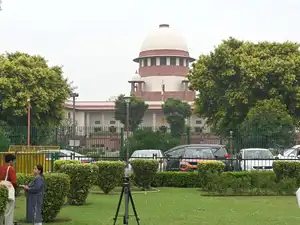
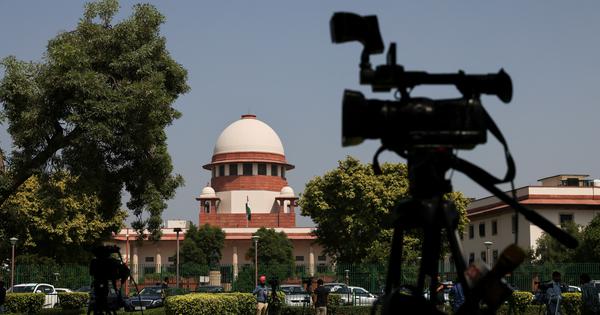
On October 30, 2026, a three-judge bench of the Supreme Court—Chief Justice Surya Kant, Justice Joymalya Bagchi and Justice V Mohana—directed the Election Commission of India (ECI) to investigate allegations that large numbers of Form 7 applications were filed in bulk to delete voters’ names during the Uttar Pradesh Special Intensive Revision (SIR). The hearing continued on October 31, 2026.
02
Background & Context: Uttar Pradesh SIR and the Role of Form 7
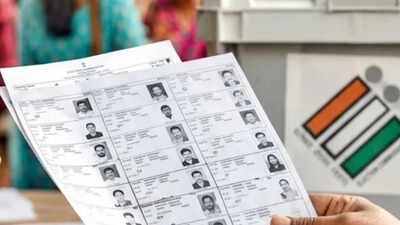
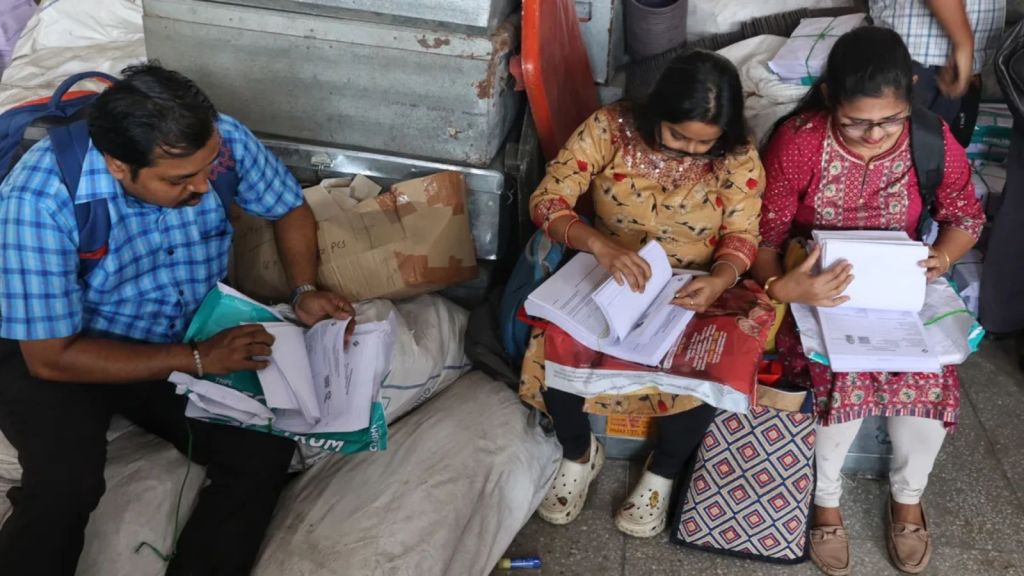
Form 7 is the application for requesting removal of a name from the electoral roll. The SIR, launched in June 2025, is a clean-up of voter lists before state elections. The Uttar Pradesh revision concluded in April 2026, producing a final roll of 13.39 crore electors and the deletion of over 2 crore names. Petitioners—including Congress MP Tanuj Punia—assert that during the “claims-and-objections” phase, bulk Form 7s were submitted, some allegedly bearing Booth-Level Officer (BLO) signatures, to delete voters belonging to a particular community.
Visual evidence
Images from the story



03
Data & Statistics
- Final Uttar Pradesh roll: 13.39 crore electors.
- Over 2 crore voters removed during the SIR.
- In the Hata Assembly constituency, 32 Form 7 applications were filed; 2 carried BLO signatures.
- Similar bulk-submission complaints have been reported in Karnataka and Telangana.
04
Official Statements & Responses
- The commission notes that all Form 7s are rejected if they violate the Representation of the People Act 1950 or SIR guidelines.
- Petitioners (Counsel Shariq Ahmed, representing MP Tanuj Punia) argue that the ECI’s claim of “no false forms received” lacks scrutiny. They highlight the Hata incident, allege material inconsistencies, and seek penal action under Section 31 of the Representation of the People Act 1950 against those who filed fraudulent objections.
- The bench ordered the ECI to file a compliance report and to consider any formal complaints that may be lodged.
05
Criticism & Opposition
Petitioners contend that the absence of corrective action in Uttar Pradesh “emboldened” similar bulk-filing attempts in Karnataka and Telangana, describing the practice as an “orchestrated effort.” They argue that the ECI’s reliance on internal checks, without external scrutiny, undermines confidence in the objection mechanism.
06
Conflicting Reports & Gaps
- ECI Position (affidavit, September 2026): Bulk Form 7s were identified as false and not processed; no names were deleted without notice and a reasoned order.
- Petitioners’ Allegation: 32 Form 7s in Hata targeted a specific community, with two allegedly signed by BLOs, suggesting that at least some applications were accepted and used to delete voters.
- Gap: The ECI states it can act only after a formal complaint is filed, yet petitioners have not submitted such a complaint, leaving the factual basis of the alleged deletions unverified.
07
Verbatim Quotes
- “We found that bulk Form 7 applications had been submitted. Our officers checked and cross-checked them. They were false, and we have not acted upon them,” — Dama Seshadri Naidu, senior advocate
- “Find out wherever you feel there are persons who should still be given a chance or opportunity. Bring it to their notice by way of representation. We will tell them to examine it, and we will keep it pending,” — Chief Justice Surya Kant
08
What’s Next
The Supreme Court has scheduled a follow-up filing of the ECI’s compliance report for November 17. A related hearing on broader SIR challenges is listed for December 15. The ECI is expected to submit a detailed note on unresolved irregularities and any corrective actions taken before those dates.