
Full Breakdown
Alaska Senate Race: DOJ Lawsuit Over Alleged Spoiler Candidate Recruitment
By Drooid · · How we work
In this breakdown
01
Core Event – Federal Lawsuit Targets Ballot-Design Tactic
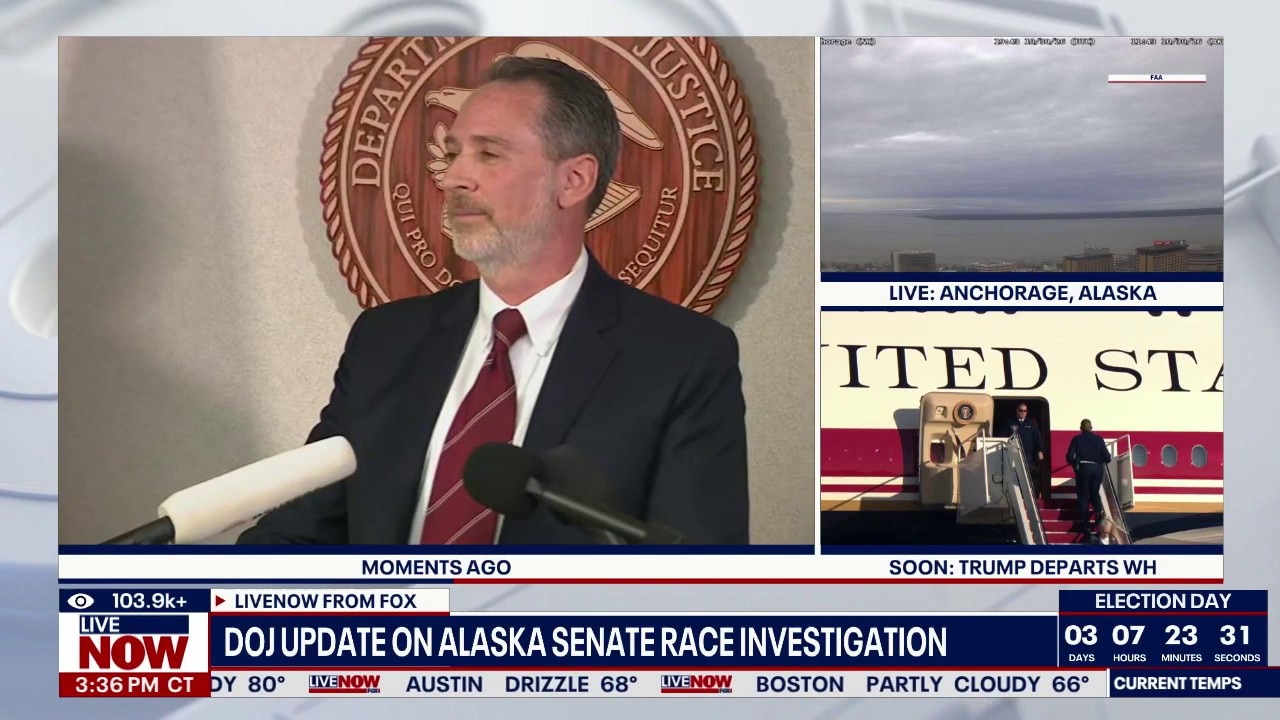
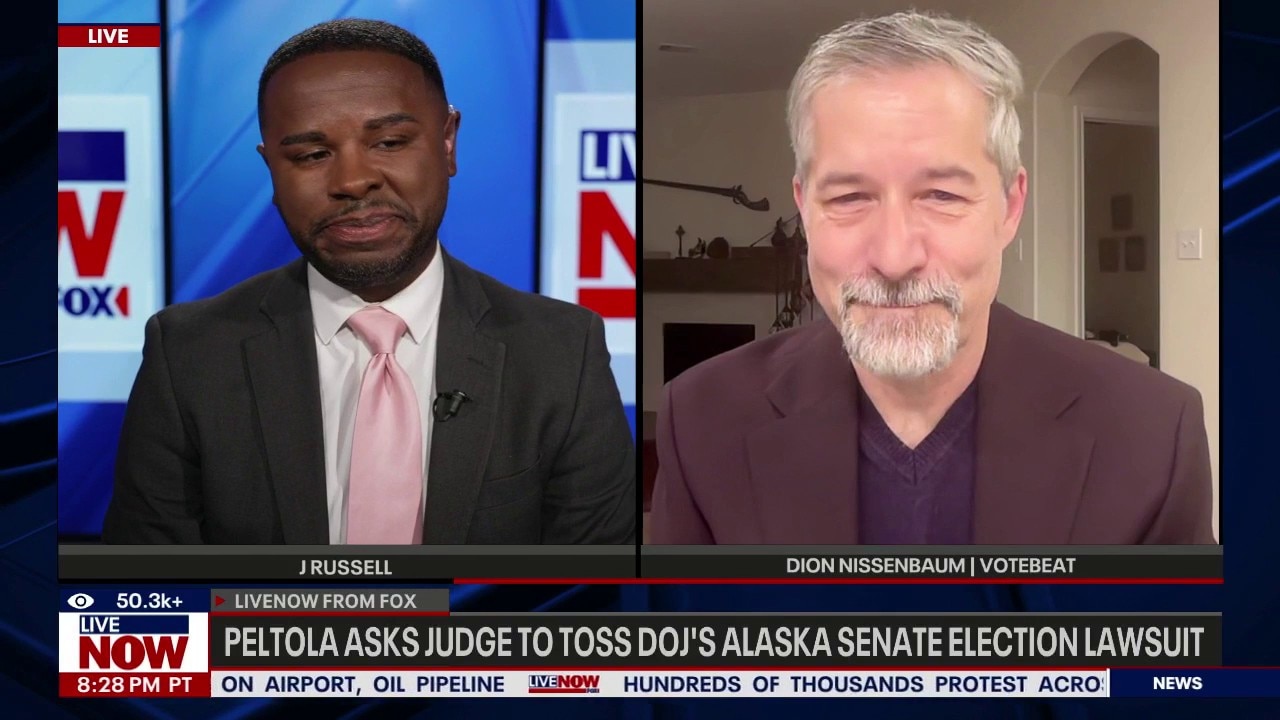
The U.S. Justice Department has filed a civil suit seeking a preliminary injunction that would prevent Alaska from certifying the November 3 Senate election results if incumbent Republican Senator Dan Sullivan loses by a margin smaller than the vote total for the same-name candidate Daniel J. Sullivan Jr., a retired teacher allegedly recruited to split the incumbent’s vote. The department told reporters on October 30 it will ask U.S. District Judge Sharon Gleason to block certification pending a full hearing, arguing that the “purpose to confuse or mislead” violates federal civil-rights statutes.
Watch
Related reporting
brightcove
Trump demands Alaska candidates be removed over alleged ballot scheme
02
Background & Context – Ranked-Choice Voting and “Ballot-Stacking”
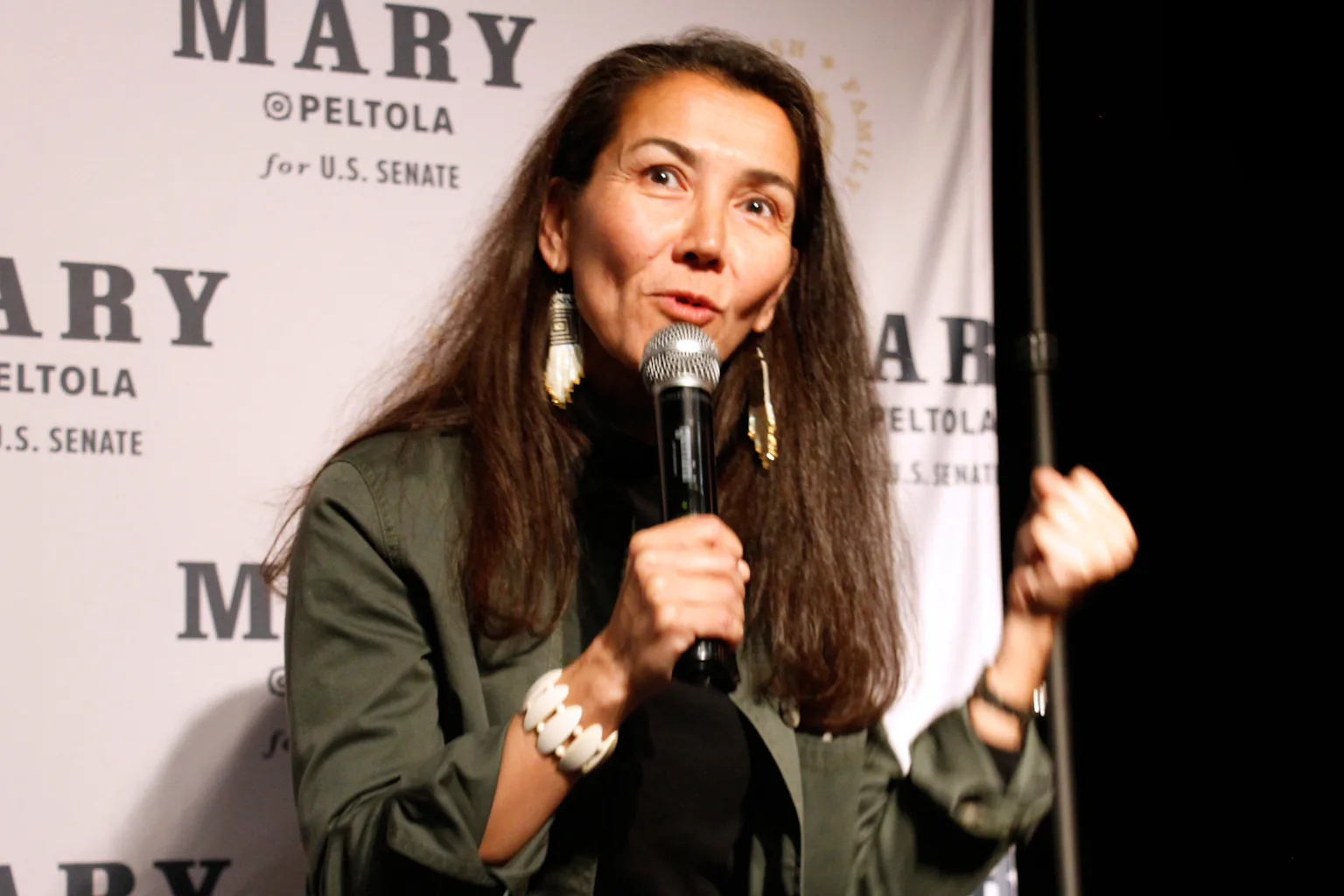
Alaska’s top-four primary and ranked-choice general election allow voters to rank candidates; if no one obtains a majority, the lowest-ranked candidate is eliminated and votes transfer. The presence of two “Dan Sullivan” candidates raised concerns that voters could inadvertently select the challenger, diluting the incumbent’s support. A New York Times investigation cited text messages indicating that aides to Democratic Senate candidate Mary Peltola discussed recruiting a namesake candidate.
Visual evidence
Images from the story


03
Legal Analysis – State Law vs. Federal Authority
Legal scholars note that election administration is traditionally a state function. The DOJ’s complaint relies on an 1871 civil-rights statute that criminalizes conspiracies to deprive citizens of voting rights, and potential perjury charges if false statements were made in state court filings. UCLA professor Rick Hasen argues that any criminal prosecution under the conspiracy provision would likely fail because the First Amendment protects candidacy even when motives are “impure.” Former Republican Senate lawyer Michael Fragoso warned that “dirty tricks” of recruiting spoiler candidates are generally legal, though deliberately misleading voters could raise separate fraud concerns.
04
Official Statements & Responses
- A Justice Department spokesperson said no charging decision has been made and that the lawsuit seeks to protect election integrity.
- “Deliberately tricking voters into casting their ballots for someone else strikes at the integrity of our elections,” — Mike Dunleavy, Alaska’s Republican governor.
- Senator Dan Sullivan demanded that Peltola “come clean” and accused her campaign of cheating.
- Mary Peltola denied knowledge of any other candidate, stating “I knew nothing about any other candidates on the ballot.”
- The DSCC issued a statement denying involvement in recruiting Daniel J. Sullivan.
05
Criticism & Opposition – Republican Reactions
- “They are trying to take votes away from the incumbent…by putting up a person with the same name,” — General Todd Blanche, senate race attorney.
- Vice President JD Vance called the effort “a dirty campaign trick” and said it “should be prosecuted.”
- Nate Adams, spokesman for Senator Lisa Murkowski, called the alleged recruitment “shameful” and said the campaign “has been lying for months.”
06
On-the-Ground Reports – Voter Perspectives
“And I think I'm bothered by shenanigans on either side,” — Carter Bancroft, who said the controversy gives “ammunition” to political opponents and distracts from substantive issues.
07
Conflicting Reports & Gaps
- The DOJ frames the recruitment as a possible civil-rights violation, while experts contend the claim rests on a weak interpretation of federal statutes and that Alaska’s law does not require “good-faith” candidacies.
- State courts have ruled twice that Daniel J. Sullivan’s candidacy meets filing requirements, finding insufficient evidence of intent to mislead. The Alaska Supreme Court upheld that decision, leaving the federal question unresolved.
- No evidence has been presented that campaign-finance laws were breached, and investigators have not disclosed whether perjury or fraud charges are being pursued.